West Bengal now has over 5,240 DPIIT-recognised startups — including 2,728 women-led ones — and Kolkata is at the centre of it all. But most founders waste weeks asking the wrong questions: “Do I need a trade licence first?” “Will SPICe+ work for a Kolkata address?” “What’s Startup Bengal and do I actually need it?” This guide answers all of that, in order.
Skip the generic advice. Here’s exactly how startup registration works when your office is in Salt Lake, Park Street, or Howrah.
What You’ll Learn
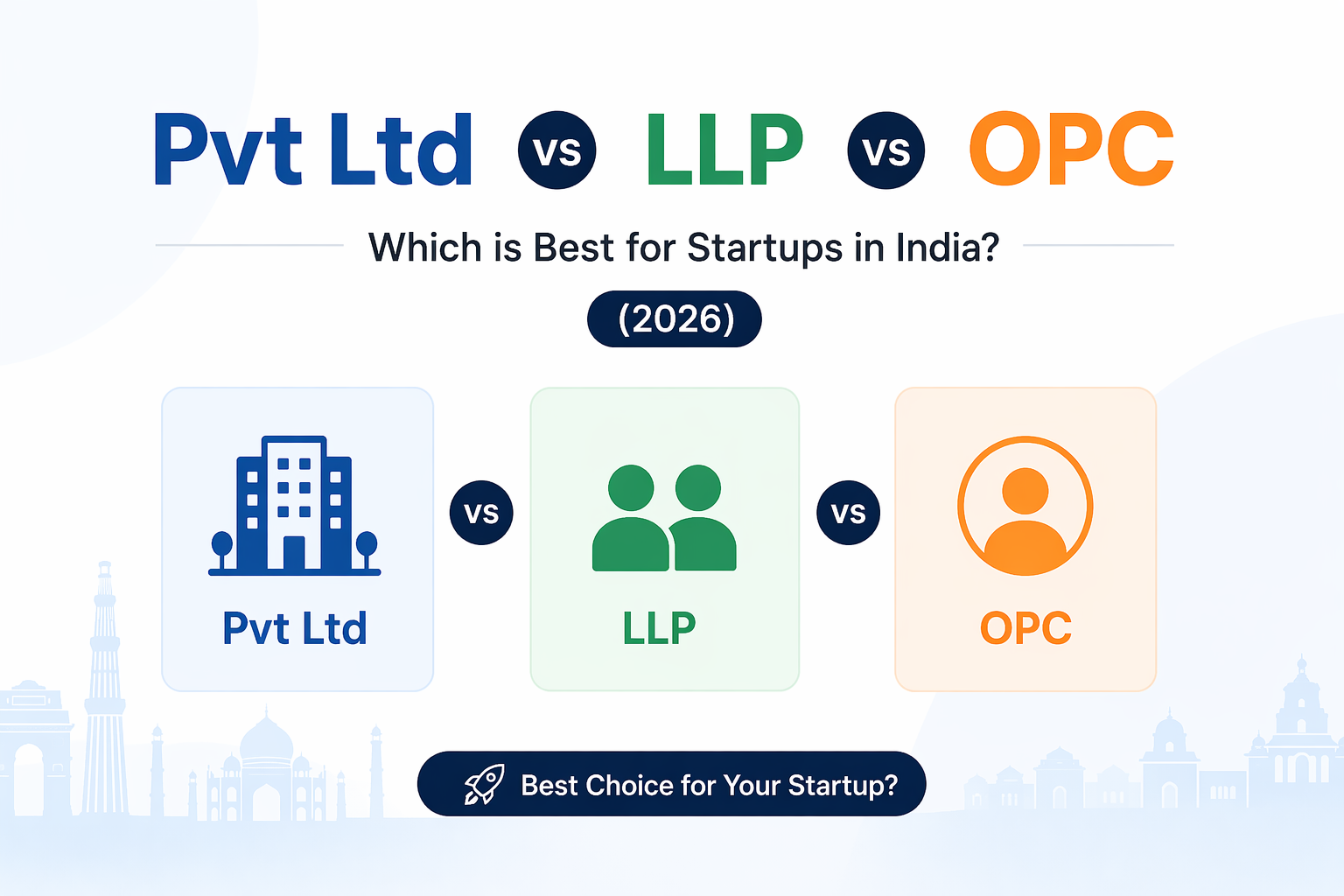
- Which business structure suits your Kolkata startup (Private Limited, LLP, or OPC)
- How to use SPICe+ on MCA21 to incorporate your company with a West Bengal address
- How to get DPIIT recognition and unlock Startup India tax benefits
- West Bengal-specific registrations — trade licence, Professional Tax, Startup Bengal
- The exact document checklist for Kolkata founders
Step 1: Choose the Right Business Structure for Your Kolkata Startup
Here’s the thing — the structure you pick on Day 1 affects your taxes, your ability to raise funding, and your compliance burden for years. Most Kolkata founders building scalable, investor-ready ventures go with a Private Limited Company under the Companies Act 2013. It’s the gold standard if you plan to onboard co-founders with equity, approach VCs, or eventually list. You can incorporate your startup online through Lawizer without visiting a CA’s office in Dalhousie.
Let’s break this down by the three most common choices:
- Private Limited Company: Best for funded startups, tech ventures, and businesses expecting external investors. Requires minimum 2 directors and 2 shareholders. Kolkata-based examples: Wow! Momo, SastaSundar.
- LLP (Limited Liability Partnership): Good for professional service firms, consultancies, and small creative agencies. Lower compliance burden than a Pvt Ltd, but VCs generally won’t invest in an LLP.
- OPC (One Person Company): Ideal for solo founders with revenue under ₹2 crore. Only one director and shareholder required — a solid choice for freelancers formalising into a company.
What most founders miss: your registered office address must be a valid Kolkata or West Bengal address from Day 1. A utility bill or rent agreement in the company’s name (or a NOC from the property owner) is mandatory for MCA21 filing.
Step 2: Incorporate via SPICe+ on MCA21 (The National Route)
SPICe+ (Simplified Proforma for Incorporating Company Electronically Plus) is the Ministry of Corporate Affairs online form that handles company incorporation, DIN (Director Identification Number), PAN, TAN, EPFO, ESIC, and GST registration — all in one integrated filing. It’s the same portal whether you’re in Bengaluru or Bowbazar.
Here’s what you need before you start the SPICe+ filing for a Kolkata company:
- DSC (Digital Signature Certificate) for all proposed directors — obtain from MCA-empanelled agencies, typically takes 1–2 days
- DIN for each director (generated automatically through SPICe+ if directors are new)
- Proposed company name — run a name availability check on MCA21 first; avoid names similar to existing registered companies
- MoA (Memorandum of Association) and AoA (Articles of Association) — your CA or Lawizer drafts these
- Proof of registered office in West Bengal — electricity bill, rent agreement, or NOC from owner
- PAN and Aadhaar of all directors and subscribers
The short answer on timelines: a Kolkata Private Limited Company typically gets its Certificate of Incorporation within 8–10 business days of complete SPICe+ submission, per standard MCA processing.
Step 3: Get DPIIT Recognition Under Startup India
Incorporation makes you a company. DPIIT (Department for Promotion of Industry and Internal Trade) recognition makes you a startup — legally. And the difference matters. Startup India’s DPIIT recognition unlocks a 3-year income tax exemption under Section 80-IAC of the Income Tax Act, exemption from Angel Tax under Section 56(2)(viib), faster patent filing at 80% reduced fee, and self-certification under six labour laws.
To qualify, your company must: be incorporated as a Private Limited Company, LLP, or Partnership Firm; be less than 10 years old; have annual turnover not exceeding ₹100 crore in any prior year; and be working toward innovation, development, or improvement of a product or service. Apply directly on the Startup India portal — it’s free and typically processed within 2–5 business days.
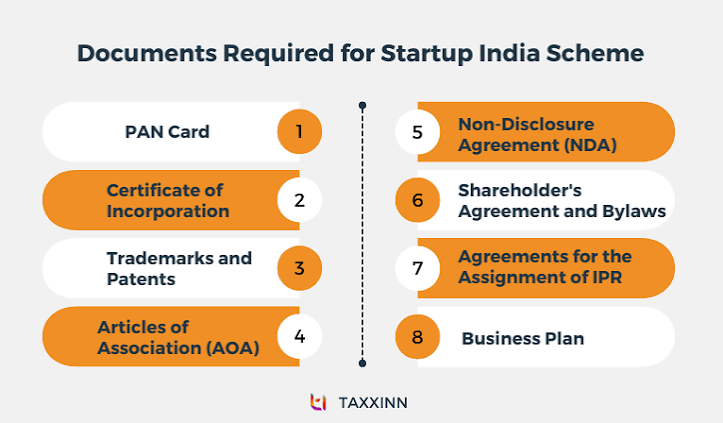
Documents needed for DPIIT recognition
- Certificate of Incorporation from MCA
- PAN of the entity
- Brief description of the business and innovation (written in the application form)
- Website URL or pitch deck (optional but recommended)
West Bengal-Specific Registrations You Can’t Skip
This is where Kolkata founders get tripped up. The national SPICe+ process gives you a company — but West Bengal has its own layer of state-level compliance that’s mandatory the moment you hire staff or operate from a physical office.
1. Trade Licence from KMC or Local Body
If your office is within Kolkata Municipal Corporation limits (most of central and south Kolkata), you need a trade licence from KMC before commencing operations. Apply online through the KMC e-portal. The licence fee varies by business type and premises size. Failure to obtain one can result in notices and fines during inspections.
2. West Bengal Shops and Establishments Act Registration
Any startup with employees working from a West Bengal office must register under the West Bengal Shops and Establishments Act. Apply through the state labour department’s online portal. This registration governs working hours, leave policies, and employee welfare — inspectors do check for it.
3. Professional Tax (PT) Enrolment
Professional Tax is a state-level tax levied on salaried employees and self-employed professionals in West Bengal. Once your startup has employees drawing salaries above the prescribed threshold, you must enrol as an employer with the West Bengal PT authority and deduct PT from employee salaries monthly. Enrolment is done via the state’s online portal.
4. Startup Bengal Recognition
Startup Bengal — an initiative of the Government of West Bengal — operates a State Startup Resource Centre in Kolkata and 23 Acceleration Centres across districts. Registering with Startup Bengal gives you access to incubation space, seed funding, mentorship networks, and state-level angel investor connections. It’s separate from DPIIT recognition and free to apply for.
5. GST Registration
GST registration is mandatory if your annual turnover exceeds ₹20 lakh (₹10 lakh for certain special category states — West Bengal is not one). It’s also required immediately if you sell products across state lines or operate on marketplaces like Flipkart, Meesho, or Amazon India. Apply on the GSTN portal — your GSTIN will carry the state code 19 for West Bengal.
6. MSME Udyam Registration
Even if your startup qualifies as a micro, small, or medium enterprise under the MSMED Act 2006, MSME Udyam registration is free and unlocks priority sector lending, government tender preference, and protection against delayed payments. Most early-stage Kolkata startups qualify. The Udyam portal is entirely self-service and needs only your Aadhaar and PAN.
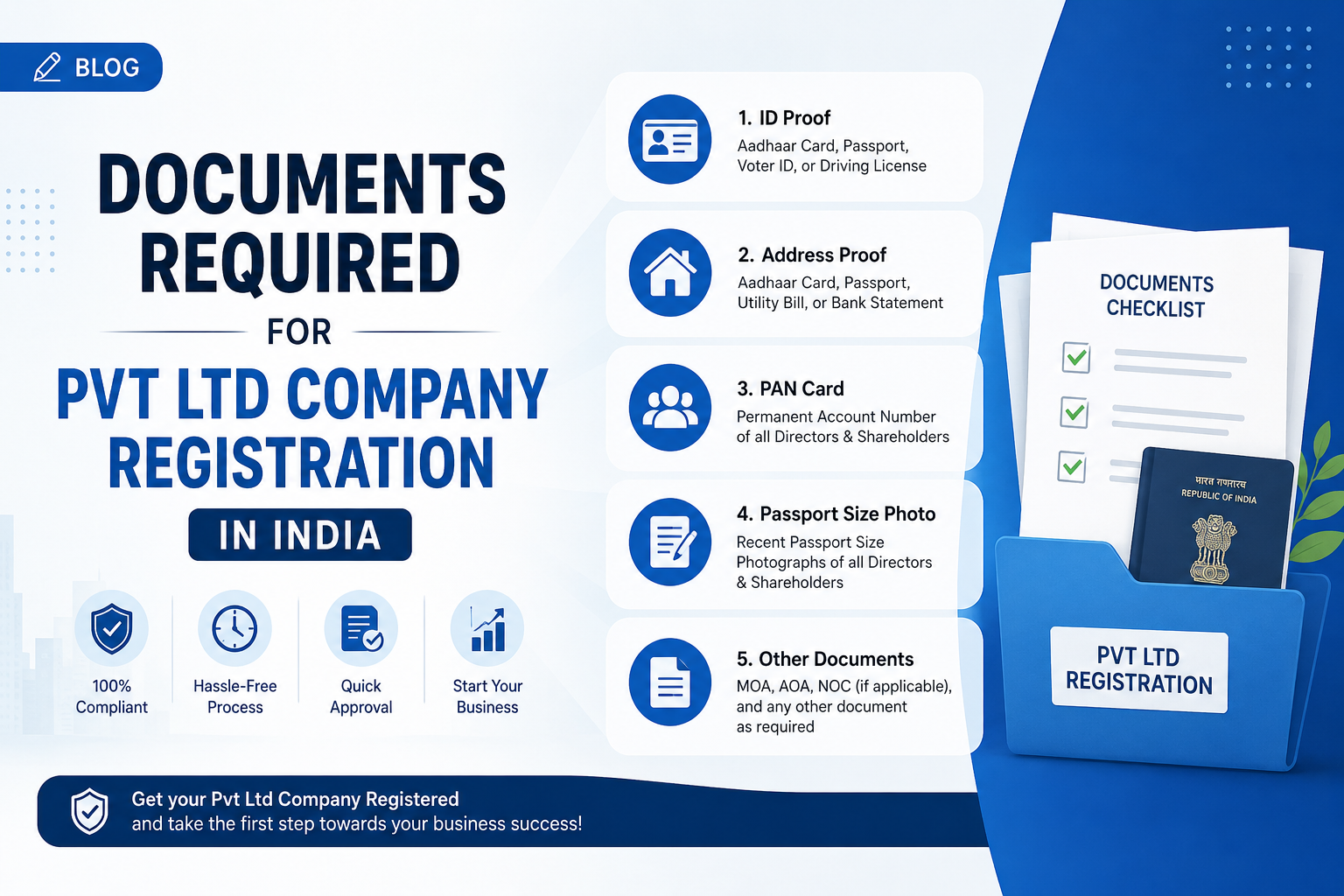
Complete Document Checklist for Kolkata Founders
A quick example of how delays happen: one missing utility bill — or a bill in the landlord’s name without a NOC — stalls your entire SPICe+ submission. Keep this list ready before you begin.
- PAN card and Aadhaar of all directors/subscribers
- Passport-size photographs of all directors
- Address proof of all directors (Aadhaar / voter ID / passport)
- Proof of registered office in Kolkata/West Bengal — electricity bill (not older than 2 months) plus either a rent agreement or NOC from the property owner
- DSC (Class 3) for all directors — obtained before filing
- Proposed company name (1st and 2nd preference)
- Brief description of business activity and main object clause for MoA
- Authorised capital amount and shareholding split among subscribers
Frequently Asked Questions
Q: How long does startup registration in Kolkata actually take?
A: Company incorporation via SPICe+ on MCA21 takes 8–10 business days once all documents are submitted correctly. DPIIT recognition under Startup India takes an additional 2–5 business days. State-level registrations like trade licence and Professional Tax enrolment add another 3–7 days. In total, a fully compliant Kolkata startup — company + DPIIT + GST + trade licence — can be set up in 15–20 business days.
Q: Do I need a physical office in Kolkata to register my company there?
A: Yes — MCA21 requires a valid registered office address in West Bengal at the time of SPICe+ filing. You need either a rent agreement plus NOC from the owner, or an electricity/utility bill showing the address. Many early-stage founders use a co-working space address in Salt Lake or New Town; this is fully acceptable as long as you have a written agreement from the co-working operator.
Q: Is Startup Bengal registration the same as DPIIT recognition?
A: No — these are two separate registrations. DPIIT recognition is a central government program run through the Startup India portal and unlocks national benefits like income tax exemption and Angel Tax exemption. Startup Bengal is a West Bengal state government initiative that provides access to state-level incubation centres, seed funding, mentorship, and local investor networks. Both are free to apply for and both are worth doing.
Q: Does a Kolkata startup need to pay Professional Tax?
A: Yes, if you have employees drawing salaries in West Bengal. Professional Tax is a state-level levy and West Bengal is among the states that enforce it actively. As an employer, you must enrol with the West Bengal PT authority, deduct the applicable PT from employee salaries, and remit it monthly. The company itself may also be liable for a nominal annual PT as a registered entity operating in the state.
Q: Can I register a company in Kolkata if I’m based in another city?
A: Yes. Directors do not need to be physically present in Kolkata — but at least one director must be a resident of India (resident means spending 182 days or more in India in the previous calendar year, not necessarily in Kolkata). The registered office address, however, must be a verifiable West Bengal address. Foreigners can also be directors as long as one resident Indian director is on the board.
Q: What are the main costs of registering a Private Limited Company in Kolkata?
A: Government fees on MCA21 depend on your authorised capital — companies with authorised capital up to ₹15 lakh pay nominal stamp duty and ROC filing fees under West Bengal’s stamp duty schedule. DSC procurement for two directors typically costs ₹1,000–₹2,000. Professional or platform fees vary. Lawizer offers end-to-end Private Limited Company registration fully online, including DIN, DSC, PAN, TAN, and incorporation certificate.
Lawizer’s experts handle everything — company incorporation, DPIIT recognition, GST registration, and MSME Udyam — fully online, starting at just ₹1,499. No CA visit needed.