Category: Legaltech & AI

  • Online Legal Services in India: What to Check Before You Pay Anyone?

    Online Legal Services in India: What to Check Before You Pay Anyone?

    Online Legal Services in India: What to Check Before You Pay

    Over 1.7 lakh consumer complaints were officially filed in India in a single year — and a growing chunk of them involve online service providers, including legal platforms. Founders in Bengaluru, Delhi, and Mumbai have paid anywhere from ₹1,500 to ₹30,000 to online legal services, only to receive silence, stalled filings, or demands for more money mid-process. Online legal services in India have genuinely improved access to compliance help — but not every platform operating in this space deserves your trust or your money.

    Before you pay anyone to handle your company registration, GST filing, trademark, or startup compliance, run through this checklist. It takes ten minutes and could save you months of grief.

    📌 TL;DR: Online legal services in India range from highly professional legaltech platforms to outright scams. Before paying any provider for company incorporation, GST registration, trademark filing, or compliance work, verify their Bar Council affiliation or MCA empanelment, check for a written service agreement, confirm government fee breakdowns, and look for real reviews beyond their own website. Lawizer operates transparently with fixed pricing and qualified professionals — so you know exactly what you’re paying for.

    What You’ll Learn

    — The 7 things to verify before paying any online legal service in India
    — Red flags that signal a platform is more sales machine than legal service
    — What a legitimate service agreement for legal work should include
    — How to separate government fees from professional fees — so you’re never overcharged
    — Your legal rights under the Consumer Protection Act, 2019 if something goes wrong


    Legal Services for Startups in Kolkata | Increeda Law Firm

    Why This Matters More Than You Think

    India’s legaltech sector has grown rapidly. You can now get a private limited company incorporated, file a trademark application with the CGPDTM (Controller General of Patents, Designs and Trade Marks), or register for GST — all without visiting a government office. That’s genuinely useful for early-stage founders who don’t have time to navigate multiple portals. But this convenience has also attracted platforms that prey on founders who don’t know what the process actually costs or involves.

    Here’s the thing: the government fees for most startup compliance tasks are fixed and publicly available on MCA.gov.in. Company incorporation via SPICe+ (Simplified Proforma for Incorporating Company Electronically Plus — MCA’s online incorporation form) can be done for a few thousand rupees in government fees alone. The moment a platform quotes you ₹25,000 for a service and won’t break down what’s government fee versus professional fee, that’s your first red flag. Real legal platforms have nothing to hide about their fee structure.


    Check 1: Are They Actually Qualified to Do This Work?

    Legal work in India is regulated. Company incorporation requires a practising Company Secretary (CS) or Chartered Accountant (CA) with MCA21 credentials. Trademark filing involves the Intellectual Property India portal and should ideally be handled by a registered trademark attorney. Contract drafting and legal notices technically require an advocate enrolled with the Bar Council of India under the Advocates Act, 1961. So the first thing to check: who is actually doing your work?

    A legitimate online legal platform will tell you — either on their website or when you ask directly — whether the work is being handled by empanelled CAs, CS professionals, or advocates. If you get a vague answer like “our team of experts,” push harder. Ask for the name or registration number of the professional handling your file. A trustworthy platform will not hesitate to answer.


    Check 2: Is There a Written Service Agreement Before You Pay?

    Under the Indian Contract Act, 1872, a valid service contract requires offer, acceptance, and consideration — but more practically, you need the terms in writing before money changes hands. What most founders miss: paying an online platform without a written agreement leaves you almost no recourse if they delay, do incomplete work, or quietly close shop. A written service agreement should specify the exact scope of work, the timeline, what happens if the government rejects an application, and the refund policy.

    If a platform’s “agreement” is buried in three-point font at the bottom of a checkout page, that’s deliberate. Look for platforms that send you a clear scope document before payment. Lawizer clearly states what’s included in each service package — so there’s no dispute later about what was promised.


    Check 3: Can They Show You the Government Fee Separately?

    Every legal filing in India involves two types of cost: the government fee (paid to MCA21, GSTN, CGPDTM, or the relevant authority) and the professional or platform fee (paid to the service provider). These are non-negotiable, public figures set by law. The government stamp duty and MCA fee for company incorporation depends on your authorised share capital and state — and is publicly listed on the MCA portal. Similarly, the official fee for a trademark application in one class is ₹4,500 for an individual or startup.

    A quick example: if a platform quotes you ₹15,000 for trademark registration in one class but won’t tell you that ₹4,500 of that is the official government fee, they’re being deliberately opaque. The professional fee charged on top of government fees is legitimate — but you have every right to know the split. Ask. If they won’t tell you, walk away.


    Check 4: Look for Reviews — But Not on Their Own Website

    Almost every legal platform in India has five-star testimonials on their homepage. Ignore these entirely. What you want are reviews on neutral platforms: Google Maps (search the company name), Trustpilot, Reddit’s r/india or r/LegalAdviceIndia communities, and Quora threads where real users discuss their experience. A pattern of complaints about non-delivery, upselling after payment, or refund refusals is a serious warning sign — and this information is usually publicly available if you spend five minutes searching.

    Let’s break this down with a real pattern founders encounter: a platform calls you urgently, creates a 30-minute discount deadline, takes payment, then immediately calls back asking for more money for “mandatory” add-on services like bookkeeping or compliance retainers. This is a documented upsell tactic. The short answer: any service that pressures you to pay within 30 minutes is not a professional legal platform.


    Check 5: Verify the Refund and Escalation Policy

    Under the Consumer Protection Act, 2019 — India’s primary law protecting buyers from deficient services — you have the right to seek a refund and compensation if an online platform fails to deliver what was promised. But enforcing this right is far easier when you have a clear refund policy in writing before you pay. Ask the platform: what happens if MCA rejects my application? What if the trademark objection isn’t handled? What’s the refund timeline?

    Platforms that are confident in their work will answer these questions clearly. If the refund policy says “no refunds once work begins” but there’s no clarity on what “work begins” means or how you’ll be notified — that’s a trap. You can escalate to the National Consumer Helpline (1800-11-4000) or file on the e-Daakhil portal (edaakhil.nic.in) if a platform refuses a legitimate refund. But it’s always better to choose a platform where this situation doesn’t arise. Working with Lawizer’s startup legal services means you’re covered by transparent, pre-defined service commitments from the start.


    Check 6: Does the Platform Have a Real Address and Contact Number?

    This sounds obvious, but many founders skip it. A legitimate legaltech company operating in India should have a verifiable registered office address (cross-checkable via MCA21 company search), a working phone number, and an email domain that matches their website. A platform that only communicates via WhatsApp or a personal Gmail address — especially for services involving your company’s legal documents — is not a professional operation.

    What most founders miss: some platforms use celebrity brand ambassadors and heavy advertising to create an impression of legitimacy. That’s not the same thing. An ad campaign doesn’t mean the company is solvent, staffed by qualified professionals, or capable of delivering what it promises. Check their company registration on MCA21, and verify that the entity you’re paying is the one actually responsible for the work.


    Check 7: Is the Scope of Work Specific — Or Dangerously Vague?

    The final check is about specificity. “We’ll handle your company registration” means nothing without defining what’s included. Does it cover the DIN (Director Identification Number) application? The DSC (Digital Signature Certificate)?

    MOA (Memorandum of Association) and AOA (Articles of Association) drafting? The SPICe+ filing? PAN and TAN applications? Bank account setup guidance? Each of these is a distinct step — and if any one of them gets stuck, your incorporation stalls.

    A well-structured platform will give you a step-by-step list of exactly what’s covered, the expected timeline for each step, and the documents required from your end. If you’re also looking to protect your brand alongside your incorporation, it’s worth handling trademark registration in India early — before someone else files your brand name first.

    The scope of your trademark service should be equally clear: how many classes are covered, what happens if there’s an objection, and whether the objection reply is included or billed separately.

    Person Holding a Document while Using Laptop · Free Stock Photo

    Frequently Asked Questions

    Q: How do I verify if an online legal service in India is legitimate?

    A: Start by checking whether the platform’s company is registered on the MCA21 portal — search their name under company search at mca.gov.in. Then look for professional credentials: who are the CAs, CS professionals, or advocates on their team? Check independent review platforms like Google Maps, Trustpilot, and Reddit for real user feedback. Finally, look for a working phone number, a physical office address, and a clear written service agreement before you pay anything.

    Q: What’s the difference between government fees and professional fees in legal services?

    A: Government fees are fixed amounts paid to official authorities — like MCA21 for company incorporation or CGPDTM for trademark registration — and are set by law. Professional or platform fees are what you pay the service provider for handling the paperwork and filing. Any reputable online legal platform should be willing to show you both amounts separately. If a platform bundles everything into one opaque price and refuses to break it down, treat that as a red flag.

    Q: Can I get a refund from an online legal service if they don’t deliver?

    A: Yes — under the Consumer Protection Act, 2019, you have the right to seek a refund and compensation for deficient services. If the platform refuses, you can file a complaint on the e-Daakhil portal (edaakhil.nic.in) or contact the National Consumer Helpline at 1800-11-4000. The stronger your position, the more documentation you have: keep all payment receipts, WhatsApp messages, emails, and any written promises made by the platform before you paid.

    Q: Is it safe to do trademark registration through an online legal platform in India?

    A: It can be — provided the platform has a qualified trademark attorney handling the filing and provides a clear breakdown of the ₹4,500 official government fee (for individuals and startups) versus their professional fee. Confirm the platform will handle any objection raised by the trademark examiner, and check whether their service agreement covers objection replies or charges extra for them. Transparent platforms will answer all of this upfront without hesitation.

    Q: What should a proper service agreement from an online legal service include?

    A: A proper service agreement should spell out the exact scope of work, the expected timeline, the professional and government fee amounts separately, what happens if there is a government rejection or query, the refund policy with specific conditions, and the escalation process if you’re unsatisfied. It should be provided in writing before you pay — not after. If any of these elements are missing, request them before proceeding.

    Q: Why do so many online legal platforms in India push for payment within 30 minutes?

    A: Time-pressure tactics are a well-documented sales method used by platforms that rely on impulse purchases rather than client confidence. A legitimate legal service provider does not need you to pay in 30 minutes — government filing processes are not that time-sensitive in most standard cases. If a platform creates false urgency through a countdown timer or expiring discount, that’s a signal they’re prioritising revenue over your outcome. Professional platforms let you ask questions, review agreements, and pay when you’re ready.


    Ready to work with a legal platform you can actually trust? Lawizer’s qualified professionals handle everything — company incorporation, GST registration, trademark filing, and MSME/Udyam registration — fully online, with fixed transparent pricing. No hidden fees. No upselling after payment. Starting at just ₹999.

    Start Your Legal Service With Lawizer → https://lawizer.com/startup-businesslegal


  • Can AI Replace a CA or CS for Indian Startups? The Honest Answer :

    Can AI Replace a CA or CS for Indian Startups? The Honest Answer :

    Over 95,000 companies were incorporated in India in FY 2024–25 alone. And almost every founder, at some point, has asked the same question: “Do I really need a CA and CS, or can an AI tool just handle this?” It’s a fair question — especially when you’re bootstrapped and watching every rupee.

    The honest answer? AI can do more than you think. But it also cannot do several things that could land you in serious legal trouble if skipped. Let’s break this down properly.

    📌 TL;DR: AI tools can meaningfully automate routine legal drafting, compliance reminders, contract review, and GST reconciliation for Indian startups — but they cannot replace a CA for statutory audits or a CS for ROC filings, both of which are legally mandated under the Companies Act 2013. The smartest move for Indian founders is using AI-powered platforms like Lawizer alongside qualified professionals, not instead of them.

    What You’ll Learn:

    • Exactly which compliance tasks AI tools can genuinely handle for Indian startups
    • Where Indian law requires a licensed CA or CS — and the penalties for skipping them
    • The five things AI still consistently gets wrong in an Indian regulatory context
    • How to build a hybrid CA + AI workflow that cuts costs without cutting corners

    Top Indian Startup Founders: Real Success Stories to Inspire You

    What AI Tools Can Actually Do for Indian Startup Compliance

    Here’s the thing — AI-powered legaltech has come a long way. The India AI LegalTech market is valued at approximately USD 1.8 billion in 2025, and the tools available to founders today are genuinely impressive.

    AI platforms can draft NDAs, founder agreements, employment contracts, and IP assignment clauses in minutes. They can scan contracts for clause deviations, flag unusual terms, and send deadline alerts for upcoming GST return dates, board meeting requirements, and DIN KYC deadlines.

    For a seed-stage startup in Bengaluru or Kolkata that can’t yet afford a full-time legal team, this is genuinely useful. Some Indian legaltech platforms report that AI tools reduce research time for routine compliance questions by as much as 70%. Contract automation, GST reconciliation, and GSTR-3B draft generation are all areas where AI delivers real, measurable value.

    What most founders miss, though, is the distinction between assisted compliance and statutory compliance. The former is where AI thrives. The latter is where Indian law draws a hard line — and where no AI tool, however sophisticated, can legally stand in for a human professional.


    Where Indian Law Mandates a CA — No Exceptions

    Let’s be direct about this. Section 139 of the Companies Act 2013 mandates that every registered company in India appoint a statutory auditor — who must be a practising CA or CA firm. This isn’t optional, and it doesn’t matter whether you’re a bootstrapped SaaS startup with zero revenue or a Series A company. Your audited financial statements, filed via Form AOC-4 with the MCA21 portal, must be signed off by a licensed Chartered Accountant.

    The stakes for missing this are real. Late ROC filings attract a penalty of ₹100 per day per form with no upper cap for AOC-4 and MGT-7. A company that files nine months late could face penalties of ₹54,000 or more — per form.

    If directors fail to file annual returns for three consecutive years, they face disqualification under Section 164 of the Companies Act 2013, which bars them from any directorship anywhere for five years. That’s a founder nightmare scenario.

    Beyond audits, a CA is also required for GST audit (if applicable thresholds are met), income tax filings, transfer pricing reports, and any statutory certification that banks or investors require during due diligence. No AI platform generates a digitally signed CA certificate that the MCA or Income Tax Department will accept. Period.


    Why Legal Compliance is Important for Industries | ISO vs EHS Compliance India - Sheel Technologies

    Where Indian Law Mandates a CS — And What Founders Often Get Wrong

    A Company Secretary — a professional certified by the Institute of Company Secretaries of India (ICSI) — is legally required for companies with a paid-up capital of ₹5 crore or more under the Companies Act 2013. But even for startups below that threshold, the secretarial workload is significant. Filing Form MGT-7, the annual return containing director and shareholding details due within 60 days of the AGM, maintaining statutory registers, recording board meeting minutes, and filing event-based forms like DIR-12 for director changes or PAS-3 for share allotments — all of these carry strict deadlines with ₹100/day penalties for late submission.

    Here’s what most founders get wrong: they assume this is just paperwork and try to handle it themselves or with a generic AI tool. The problem is that an error in a PAS-3 filing (share allotment) or a missed ADT-1 (auditor appointment) can make the underlying corporate action legally questionable — not just expensive. Investor diligence teams look at MCA21 filing histories carefully. A messy secretarial record has killed fundraising rounds at the term sheet stage.

    A quick example: if your startup issues ESOPs, the allotment must be reported to the ROC within 30 days. Miss that window and the shares are technically unregistered. No AI tool currently generates, validates, and submits e-forms on MCA V3 with the required Digital Signature Certificates on behalf of your directors. That chain of human accountability is still legally essential.


    The Five Things AI Still Gets Wrong in India’s Regulatory Context

    AI legaltech tools are genuinely good. But they carry specific failure modes that Indian founders need to understand before putting too much trust in them.

    First, hallucinating Indian law. General AI models frequently confuse Indian legal provisions with UK or US equivalents. A chatbot may cite a provision that doesn’t exist in the Companies Act 2013 or quote an outdated CGPDTM (Controller General of Patents, Designs and Trade Marks) circular. Indian-trained models have significantly lower hallucination rates, but the risk doesn’t disappear.

    Second, missing state-level variations. GST composition scheme limits, stamp duty rates, and shop-and-establishment registration rules vary by state. An AI tool trained primarily on central law may give you advice that’s wrong for Maharashtra but right for Karnataka.

    Third, no DSC or digital signing authority. MCA V3 filings, GST registrations, and patent applications require a valid Digital Signature Certificate. AI cannot hold or use a DSC. A human professional must always be in the loop for any submission to a government portal.

    Fourth, the professional liability gap. If your CA gives wrong advice and you suffer a penalty, you have legal recourse against them. If an AI tool gives you wrong advice, the liability is yours. This matters enormously when investors or banks rely on compliance certificates.

    Fifth, interpretation of fact-specific tax positions. Whether a particular SaaS subscription attracts 18% GST or qualifies for a lower rate, or whether your co-founder’s salary qualifies as a deductible business expense — these involve judgment calls that require someone who knows your specific business model, not pattern-matching against generic data.


    The Smart Hybrid Model: AI + CA/CS Working Together

    The founders who are managing compliance costs most effectively aren’t choosing between AI and professionals — they’re using both deliberately. The model looks like this: AI handles the operational layer (drafting routine contracts, sending compliance deadline alerts, generating GSTR-3B drafts, flagging unusual clauses in vendor agreements), while your CA and CS handle the statutory layer (signing off on audits, filing ROC forms with valid DSCs, advising on non-routine tax positions, and maintaining the statutory registers that investors and banks will eventually scrutinise).

    Platforms like Lawizer’s startup legal services are built around exactly this hybrid model. Instead of paying a retainer to a CA firm for work that can be standardised and automated, you use a platform that combines AI-powered document generation with qualified professionals who handle the pieces that require statutory sign-off. This keeps your compliance costs predictable and your legal house in order — without over-spending in the early stages when every rupee counts.

    What most founders miss: the hybrid model also makes your CA or CS more effective. When AI tools handle routine drafting and deadline tracking, your professional can spend their time on higher-value advisory work — structuring your ESOP pool, advising on a GST audit response, or preparing your company for Series A due diligence. That’s where a good CA or CS truly earns their fees.


    What This Means for Your Startup Right Now

    If you’re pre-incorporation, AI-assisted platforms can get you through the SPICe+ (Simplified Proforma for Incorporating Company Electronically Plus — MCA’s online incorporation form) process, help you draft a founders’ agreement, and set up your initial MSME Udyam registration. You don’t need to sit across a desk from a CA to get started. But the moment your company is incorporated, the statutory clock starts ticking — and some of those obligations begin on day one.

    If you’re already incorporated, run a quick health check on three things: Is your statutory auditor formally appointed and ADT-1 filed? Is your INC-20A (commencement of business declaration) filed within 180 days of incorporation? Are your DIR-3 KYC filings for all directors current? These are the three most commonly missed post-incorporation requirements that AI tools alone cannot resolve. You can protect your business proactively through Lawizer’s complete startup compliance services — managed entirely online with qualified CA and CS professionals.

    And if your brand is still unprotected, don’t overlook trademark registration. AI can help you search for conflicts, but the filing strategy and responding to CGPDTM objections requires professional judgment. Lawizer’s trademark registration service handles this end to end — so your brand is protected before someone else files first.


    Frequently Asked Questions

    Q: Can I use ChatGPT or an AI tool to file my GST returns in India?

    A: AI tools can help you draft and review GSTR-3B and GSTR-1 data before filing, but they cannot file on your behalf on the GSTN (Goods and Services Tax Network) portal. GST filings require valid login credentials and OTP authentication by an authorised signatory. Most founders use AI tools for pre-filing reconciliation and a CA or GST practitioner for the actual submission and any advisory on input tax credit claims.

    Q: Is a statutory audit mandatory for my startup even if we have zero revenue?

    A: Yes, completely. Under Section 139 of the Companies Act 2013, every company registered in India must appoint a statutory auditor regardless of turnover, profit, or activity level. Even a dormant startup with zero revenue must get its financial statements audited by a practising CA and file Form AOC-4 with the MCA21 portal annually. There are no exemptions for early-stage startups on this requirement.

    Q: What happens if I skip ROC filing and rely only on an AI compliance tool?

    A: AI compliance tools can remind you of deadlines and help you prepare documents, but they cannot submit filings to the Registrar of Companies on your behalf. If ROC filings like MGT-7 or AOC-4 are missed, your company faces penalties of ₹100 per day per form with no upper cap. If annual returns go unfiled for three consecutive years, directors face disqualification under Section 164 of the Companies Act 2013, barring them from any directorship for five years.

    Q: Which AI tools are actually useful for Indian startup compliance right now?

    A: Several Indian legaltech platforms are worth exploring. SpotDraft is well-regarded for contract lifecycle management. NYAI is a compliance-native platform trained on Indian legal documents including MCA, tribunal, and High Court data. Simpliance handles labour law compliance tracking. For incorporation, GST, trademark, and ongoing ROC compliance, Lawizer provides an AI-assisted platform backed by qualified CA and CS professionals — so you get the speed of automation with the statutory sign-off Indian law requires.

    Q: Can AI help with trademark registration for my Indian startup?

    A: AI tools can run trademark availability searches and flag conflicting marks, which saves real time. However, filing with the CGPDTM and — critically — responding to any examination report or opposition requires professional judgment about trademark class selection, distinctiveness arguments, and evidentiary strategy. Platforms like Lawizer combine AI-powered search with professional representation so you’re not navigating the CGPDTM process alone.

    Q: How much can a startup realistically save by using AI tools alongside a CA instead of a full retainer?

    A: Early-stage startups that previously budgeted ₹1–2 lakh annually for basic compliance retainers are finding that AI-assisted platforms can deliver comparable coverage at a fraction of the cost, while still involving a licensed professional for the statutory filings that Indian law mandates. The savings compound as you scale, because AI handles the growing volume of routine tasks while your CA’s time stays focused on the judgment-intensive work that genuinely requires it.


    Ready to get your startup legally sorted — without overpaying? Lawizer’s experts handle everything — ROC filings, statutory audits, GST registration, trademark protection — fully online, starting at just ₹999. No CA office visits needed.

    Start your compliance review today → https://lawizer.com/startup-businesslegal


  • India’s Legaltech Boom: What $793M in Funding Means for You

    India’s Legaltech Boom: What $793M in Funding Means for You

    India’s legaltech sector has attracted $793 million in cumulative funding. In 2025, the industry recorded a 781% year-on-year increase, marking the largest single-year funding surge in its history. That’s not a rounding error. That’s investors betting big money that Indian founders are done doing legal paperwork the old way.

    If you’re a founder who still emails PDFs back and forth with a CA for GST filing or MSME registration, things are about to change. This legaltech boom is redefining what “normal” looks like for business compliance.

    📌 TL;DR: India’s legaltech industry has raised $793 million across roughly 960 companies, with 2025 funding up 781% year-on-year — the sector’s biggest jump on record. For founders, this means faster, cheaper, more reliable online options for company incorporation, GST, trademark, and MSME compliance instead of slow offline processes. Platforms like Lawizer are part of this shift, handling incorporation and compliance fully online so founders can skip the CA-office runaround.

    What You’ll Learn

    • Why $793 million is flowing into Indian legaltech right now
    • What’s actually driving the 781% funding surge in 2025
    • How this changes company incorporation, GST, and compliance for founders
    • What to watch for before picking a legaltech platform

    The Numbers Behind India’s Legaltech Boom

    Here’s the thing. Legaltech used to be the sleepy corner of Indian startup investing — the sector fintech and edtech investors barely glanced at. That’s flipped.According to data from Tracxn’s startup database, India is home to around 960 legaltech companies. Among them, 86 have secured funding, and one has achieved unicorn status.

    The real story is the pace. Legaltech funding in India has grown from about $107 million to a cumulative $793 million. In 2025, the sector recorded a 781% year-on-year increase, marking its highest annual investment to date.

    A quick example: SpotDraft, a contract automation platform, alone raised over $113 million across multiple rounds, including backing from Qualcomm Ventures. That’s the scale of confidence investors now have in Indian legal technology.

    Why Now?

    • India’s regulatory load keeps growing — DPDPA, GST updates, Companies Act 2013 amendments, and sector-specific rules all add compliance work
    • AI-powered document review and drafting cut turnaround time dramatically, making automation commercially viable
    • Millions of MSMEs and startups need affordable, scalable legal access that traditional law firms and CAs can’t deliver at volume

    What This Means for Company Incorporation

    Let’s break this down. Company incorporation in India runs through SPICe+ (Simplified Proforma for Incorporating Company Electronically Plus — MCA’s online incorporation form), filed on the MCA21 portal.

    On paper, it’s already digital. In practice, most founders still end up stuck answering DIN queries, chasing digital signature certificates, or waiting on a CA who’s juggling twenty other clients.

    What most founders miss: the legaltech money isn’t just building flashy AI tools for law firms. A meaningful chunk is going into founder-facing platforms that handle the entire incorporation-to-compliance journey — private limited company registration, LLP setup, GST registration, and ongoing filings — without the founder ever stepping into a CA’s office. That’s the direct benefit of this funding wave reaching your desk.

    If you’re incorporating a company or setting up your compliance stack from scratch, Lawizer’s business registration services are built exactly for this shift — online-first, no repeated office visits, transparent pricing

    GST, Trademark, and MSME: The Everyday Wins

    The short answer: automation is finally reaching the parts of compliance founders actually dread — recurring GST filings, trademark status tracking, and MSME/Udyam renewals. These aren’t glamorous problems, but they’re the ones that eat a founder’s Tuesday afternoon every single month.

    GST compliance, tracked through GSTN’s own systems, has traditionally meant founders relying on their CA to remember filing deadlines. As more legaltech investment flows into compliance automation, platforms now send proactive reminders. They also auto-populate returns and flag mismatches before they turn into legal notices.

    A trademark filed through the Controller General of Patents, Designs and Trademarks (CGPDTM) can now be tracked in real time. Founders no longer need to call their lawyer every few weeks to ask, “Any update?”

    Same logic applies to brand protection and MSME benefits. If you have not registered your trademark yet, do it early to protect your brand name. Early registration also reduces the risk of a competitor claiming it first. Lawizer’s trademark registration service handles the entire CGPDTM filing process from start to finish.

    And if you qualify for MSME status, Udyam registration through Lawizer unlocks collateral-free loans, delayed payment protection, and tender benefits that most founders don’t even know exist.

    What to Watch Before You Pick a Legaltech Platform

    A funding boom brings good tools — and also a lot of noise. Not every platform that raised money is built for a first-time founder in Bengaluru registering a two-person startup, versus an enterprise legal team in Mumbai managing thousand-contract portfolios. Here’s what actually matters when you’re evaluating options:

    • Does it handle India-specific requirements — MCA21 filings, state-wise GST rules, Aadhaar-based e-sign — or is it a generic tool adapted for India?
    • Is pricing transparent upfront, or do “starting from” prices balloon once you add government fees and follow-up filings?
    • Can you actually talk to a real compliance expert when something goes wrong, or is it a chatbot loop?

    What most founders miss: the platform’s funding size says nothing about whether it fits your stage. A well-capitalized enterprise CLM (Contract Lifecycle Management) tool is overkill if all you need is to file your first ITR (Income Tax Return). For income tax filing done right the first time, Lawizer’s ITR filing service keeps it simple and founder-focused.

    Where This Is Headed

    A quick example of the trajectory: the Indian legaltech market is projected to cross $1.28 billion in 2026, growing at roughly 15.2% CAGR — a pace faster than the global average. That growth is driven by a simple fact — India’s regulatory load isn’t shrinking.

    Between DPDPA, evolving GST rules, and Companies Act compliance, founders will need more automated help, not less.

    Here’s the thing: this isn’t really about the funding number. It’s about what it buys founders — faster incorporation, fewer missed deadlines, and compliance that doesn’t require a law degree to understand. That’s the actual dividend of $793 million landing in this sector.

    Frequently Asked Questions

    Q: How much funding has India’s legaltech sector raised so far?

    A: India’s legaltech sector has raised a cumulative $793 million in venture capital and private equity across roughly 960 companies. 2025 alone saw a 781% year-on-year rise in funding compared to the previous year, marking the highest annual investment the sector has recorded so far.

    Q: Does the legaltech boom actually help small founders, or just big law firms?

    A: Both, but founder-facing platforms are a major part of the investment. A large share of legaltech funding is going into tools for company incorporation, GST filing, trademark tracking, and MSME registration — the everyday compliance work small founders deal with, not just enterprise contract management.

    Q: Is online company incorporation in India actually reliable now?

    A: Yes. Company incorporation runs through MCA’s SPICe+ form on the MCA21 portal, and legaltech platforms have built layers on top of it to handle document prep, DIN and DSC processing, and follow-up queries without the founder needing to visit an office. This is one of the most mature use cases in the current funding wave.

    Q: What should I check before choosing a legaltech platform for my startup?

    A: Check whether the platform handles India-specific requirements like state-wise GST rules and Aadhaar e-sign, confirm pricing is transparent with no hidden government-fee markups, and make sure you can reach a real compliance expert if an issue comes up. A platform’s total funding doesn’t tell you whether it’s built for your specific stage or need.

    Q: Why is India’s legaltech funding growing faster than other sectors right now?

    A: Growth is driven by increasing regulatory complexity — DPDPA, GST updates, and Companies Act compliance all create continuous demand — combined with AI tools that make automated drafting and review commercially viable at scale. India’s legaltech market is projected to grow faster than the global average through 2030.

    Ready to skip the compliance runaround?
    Lawizer’s experts handle everything — company incorporation, GST registration, trademark filing — fully online, starting at just ₹1,999. No CA visit needed.

    Start your registration with Lawizer →

  • How AI Is Reviewing Contracts Faster Than Lawyers in India

    How AI Is Reviewing Contracts Faster Than Lawyers in India

    A LawGeex benchmark compared AI with 20 experienced lawyers reviewing five NDAs. The AI matched the top lawyer’s accuracy and finished the task in just 26 seconds. The lawyers took an average of 92 minutes combined. This performance gap explains why AI contract review India searches have surged over the past year. That gap is exactly why AI contract review India searches have spiked over the past year.

    If you’re a founder who has waited four days for a vendor agreement to return with redlines, this changes the equation entirely.

    📌 TL;DR: AI contract review tools use natural language processing to scan agreements, flag risky clauses, and check terms against Indian regulations like the Indian Contract Act, 1872 in minutes instead of days. They don’t replace lawyers — they handle the first-pass scan so a human only needs to review what actually matters. Lawizer pairs this speed with real legal sign-off for Indian startups and MSMEs who can’t afford either slow contracts or unreviewed ones.

    What You’ll Learn

    • How AI contract review actually works under the hood
    • Where AI genuinely beats manual review — and where it doesn’t
    • The Indian-specific risks AI tools need to catch (Contract Act, arbitration clauses, sector rules)
    • How founders and MSMEs can use AI review without skipping legal judgment

    How AI Contract Review Actually Works

    AI contract review tools run on natural language processing (NLP — software that reads and interprets human language rather than just matching keywords).

    Upload a contract, and the model breaks it into clauses, compares each one against a playbook of acceptable terms, and flags anything that deviates: a one-sided indemnity clause, a missing termination notice period, an arbitration seat that favours the other party.

    Here’s the thing. A Legal On industry survey found that legal teams spend roughly three hours reviewing a single contract. A team handling 500 contracts a year spends about 188 working days on contract review alone. AI significantly reduces the time needed for the first review pass. Most platforms report a 70–85% cut in review time per contract. The tool isn’t replacing legal judgment — it’s clearing the repetitive scanning so a lawyer spends time on the clauses that actually need a human call.

    Why It’s Faster Than a Lawyer Reading Line by Line

    A lawyer reads sequentially and gets fatigued after the tenth NDA of the day. AI doesn’t tire, doesn’t skim, and applies the exact same standard to contract one and contract one hundred. That consistency is what closes the speed gap — not magic, just no fatigue curve.

    Where AI Genuinely Outperforms Manual Review

    The numbers aren’t marketing fluff. In the LawGeex study, AI matched the best-performing lawyer’s accuracy on NDA risk-spotting, while the lawyers’ average accuracy sat around 85% with the lowest at 67%. Separately, Virtasant reported an AI contract tool hitting 94% accuracy against a 85% average for human reviewers on a similar task.

    • Consistency across hundreds of contracts — no variation in standards between reviewers
    • Speed on routine, high-volume agreements: vendor contracts, NDAs, freelance agreements
    • Cross-referencing clauses against past contracts instantly, instead of manually digging through old files

    What most founders miss: speed gains compound. A faster first pass means sales contracts close quicker, vendor onboarding doesn’t stall procurement, and employment offers don’t sit in legal limbo while a candidate is deciding between you and a competitor.

    The India-Specific Risks Generic AI Tools Miss

    This is where most off-the-shelf AI tools — built for US or EU contract law — fall short for Indian businesses. Every Indian contract still has to survive the Indian Contract Act, 1872, which sets out what makes an agreement enforceable in the first place: free consent, lawful consideration, and a lawful object under Section 10.

    A quick example: Section 27 of the Act voids most non-compete clauses once an employee or founder exits — yet generic AI templates routinely insert broad post-exit non-competes that simply won’t hold up in an Indian court. A founder relying on a US-trained tool could ship a contract that looks airtight and is legally toothless. AI tools built for the Indian market also need to check terms against sector regulators — RBI for fintech, SEBI for listed entities, TRAI for telecom — and against the tax and compliance obligations a growing business is already juggling

    What Most Founders Get Wrong About Vendor Contracts

    The short answer: they sign the vendor’s template as-is. Most commercial disputes in India don’t come from bad intent — they come from unclear payment terms, vague deliverables, or a missing dispute resolution clause. An arbitration clause that names the wrong seat, or skips the Arbitration and Conciliation Act, 1996 entirely, turns a small disagreement into a multi-year court fight.

    Where You Still Need a Human Lawyer

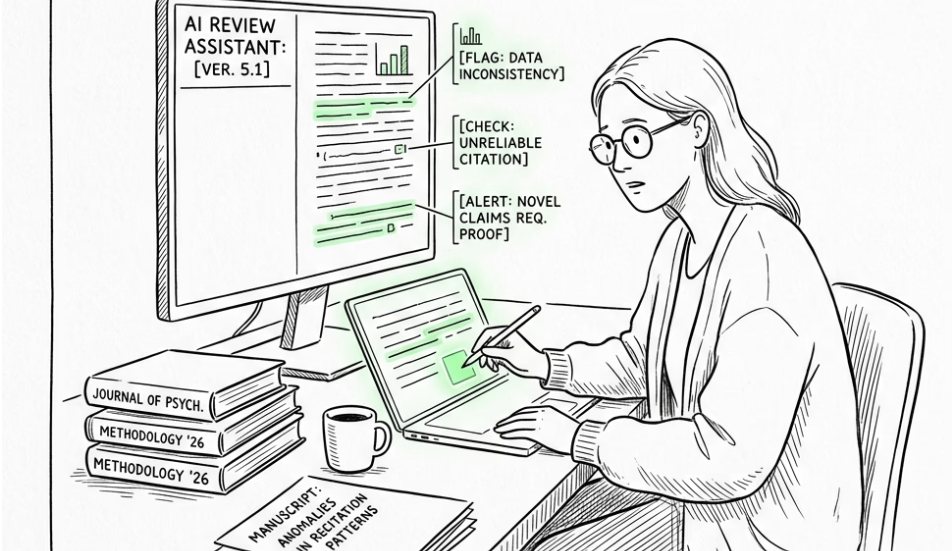
    AI is strong at pattern recognition — spotting a missing clause, an unusual indemnity cap, an inconsistent definition. It’s weaker at reading commercial intent: why a term sheet investor wants a particular liquidation preference, or how a negotiation history should shape this specific redline. Let’s break this down further — AI flags the anomaly; a lawyer decides whether the anomaly is actually a problem for your specific deal.

    That’s also why founder agreements, shareholder agreements, and company incorporation documents still warrant a human review pass, even with AI doing the first scan. The stakes — equity splits, IP ownership, exit terms — are too high to leave entirely to pattern-matching.

    How to Use AI Contract Review Without Cutting Corners

    Start with your highest-volume, lowest-complexity contracts — NDAs, standard vendor agreements, freelance contracts. These are repetitive enough that AI’s consistency advantage matters most, and low-stakes enough that an occasional miss won’t sink the business. Once that workflow is stable, expand to more complex agreements with mandatory human sign-off built in.

    • Build a clause playbook first — AI needs a defined standard to flag deviations against
    • Always route flagged risks and high-value contracts to a qualified lawyer for final sign-off
    • Keep an unedited original alongside the AI-annotated version for audit purposes
    • Check that the tool is updated for Indian-specific law — the Contract Act, DPDPA, and sector regulations don’t sit still

    For MSMEs juggling vendor agreements alongside Udyam/MSME registration and a growing list of compliance deadlines, this hybrid approach — AI for speed, a lawyer for the calls that matter — is usually the realistic middle ground, not full automation and not full manual review either.

    Frequently Asked Questions

    Q: Can AI replace a lawyer for contract review in India?

    A: No. AI handles the first-pass scan — flagging missing clauses, inconsistent terms, and known risk patterns — but a qualified lawyer should still review high-stakes agreements like shareholder agreements, founder agreements, and complex commercial contracts. Most legaltech platforms in India position AI as an accelerator for lawyers, not a substitute.

    Q:Is an AI-reviewed contract legally valid in India?

    A: Yes — AI tools don’t change a contract’s enforceability. A contract is valid under the Indian Contract Act, 1872 as long as it satisfies Section 10: free consent, lawful consideration, competent parties, and a lawful object, regardless of whether AI or a human drafted or reviewed it.

    Q:How accurate is AI at spotting risky clauses?

    A: In a widely cited LawGeex benchmark, an AI tool matched the accuracy of the top-performing lawyer in a group of 20 experienced reviewers, while the lawyers’ average accuracy was lower. Accuracy still depends heavily on whether the tool is trained on Indian contract law and kept updated as regulations change.

    Q:What kinds of contracts should I start with for AI review?

    A: Start with high-volume, lower-complexity agreements — NDAs, standard vendor contracts, and freelance agreements. These benefit most from AI’s speed and consistency, while complex agreements like shareholder or founder agreements should still go through full legal review.

    Q:Do AI contract tools check for Indian regulatory compliance?

    A: Only if the tool is built or configured for the Indian market. Generic global tools often miss India-specific issues like Section 27 non-compete restrictions, RBI or SEBI sector rules, or DPDPA data protection requirements, so it’s worth confirming Indian-specific training before relying on the output.

    Ready to get your contracts reviewed properly?
    Lawizer’s experts handle vendor agreement review, founder agreement drafting, and trademark filings — fully online, starting at just ₹999. No CA visit needed.

    Get your contract reviewed today →