Category: Taxation

  • The Rise of Green Credits: New Tax Incentives for India’s Eco-Startups in 2026

    The Rise of Green Credits: New Tax Incentives for India’s Eco-Startups in 2026

    Introduction

    The global shift toward sustainability is no longer a corporate social responsibility (CSR) footnote—it is a core economic driver. In India, the year 2026 marks a defining moment for the Green Economy.

    With the operationalization of the Green Credit Program (GCP) and new tax incentives introduced in the Union Budget, eco-startups are moving to the center of institutional investment.


    Defining the Green Credit Program (GCP)

    Unlike traditional carbon credit systems that focus only on emissions reduction, the Green Credit Rules, 2023 take a broader approach to environmental impact.

    Green Credits are awarded for the following activities:

    • Tree Plantation: Increasing green cover through afforestation.
    • Water Management: Conservation and wastewater treatment.
    • Sustainable Agriculture: Promoting organic farming and land restoration.
    • Waste Management: Recycling initiatives and circular economy models.

    How the Ecosystem Functions

    The system is administered by the Indian Council of Forestry Research and Education (ICFRE).

    Startups must register projects on the Green Credit Portal and undergo verification before credits are issued.


    Tax Incentives: The 2026 Fiscal Push
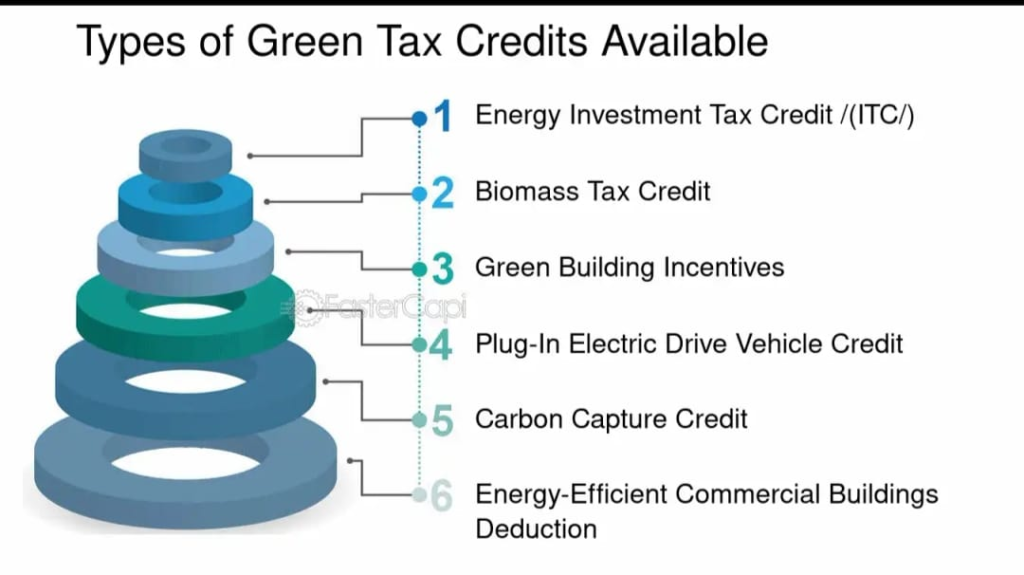
    The Union Budget 2026 introduces strong financial incentives to support green businesses.

    Section 80-IBA Extension for Green Housing

    Startups working on green buildings certified by the Bureau of Energy Efficiency (BEE) can claim extended tax benefits.

    This includes eligibility for 100% profit deductions for sustainable infrastructure projects.

    Accelerated Depreciation on Green Technology

    Under the Income Tax Act, eco-startups can claim up to 40% accelerated depreciation on green equipment.

    Angel Tax Exemptions

    Investments in DPIIT-recognized startups focused on climate solutions are exempt from Angel Tax if used for green capital expenditure.


    The Tradability of Impact: ESG and Green Credits

    Demand for Green Credits is driven by large listed companies in India.

    Under the SEBI BRSR framework, companies must disclose environmental performance.

    • Marketplace: Startups can sell Green Credits to corporations.
    • Revenue Stream: Provides additional and stable income.
    • Compliance Tracking: Monitor disclosures via the Ministry of Corporate Affairs.

    Navigating the Regulatory Framework

    To qualify for Green Credits and incentives, startups must comply with strict regulations.

    1. Verification: Conducted by the Central Pollution Control Board (CPCB) and auditors.
    2. Digital Tracking: Credits are digitally recorded to prevent misuse.
    3. FEMA Compliance: Required for foreign funding under RBI guidelines.

    Challenges in the Green Credit Market

    Despite growth, eco-startups face key challenges:

    • Price Volatility: Credit values fluctuate based on demand.
    • Verification Delays: Credit issuance may take 6–12 months.

    The Future of Green Credits

    The government is working on integrating Green Credits with global carbon markets.

    Under Article 6 of the Paris Agreement, startups may soon convert Green Credits into Carbon Credits for international trade.


    Strategic Checklist for Eco-Founders
    • DPIIT Recognition: Register on Startup India.
    • BEE Certification: Obtain energy efficiency certifications.
    • Audit Trail: Maintain digital environmental records.

    How Lawizer Powers Your Green Startup

    Managing environmental compliance and tax regulations can be complex. Lawizer simplifies this process through advanced legal-tech solutions.

    It helps automate registration, manage documentation, and track compliance requirements across multiple government frameworks.

    Why Choose Lawizer?

    • Automated Compliance: Reduces manual effort.
    • Regulatory Tracking: Stay updated with policy changes.
    • Documentation Support: Ensure accuracy and compliance.
    • Centralized Dashboard: Manage everything in one place.

    Build a sustainable business with confidence using Lawizer.


    Conclusion: Scalability Through Sustainability

    Green Credits are emerging as a key asset in India’s startup ecosystem.

    The future belongs to businesses that not only generate profits but also contribute to environmental restoration.


    Frequently Asked Questions

    What is the difference between Carbon Credits and Green Credits?

    A: Carbon Credits focus on emission reduction, while Green Credits reward broader environmental actions like water conservation and waste management.

    Can startups claim both tax benefits and Green Credits?

    A: Yes. Startups can earn Green Credits while also claiming tax incentives under relevant provisions.

    How can Green Credits be monetized?

    A: Verified credits can be sold to corporations that need them for ESG compliance.

    Are eco-startups exempt from Angel Tax?

    A: Yes, DPIIT-recognized startups working on green initiatives are generally exempt.

    What are FEMA requirements for green funding?

    A: Foreign investments must comply with RBI guidelines, including rules for external borrowings.

    Who verifies environmental impact?

    A: Agencies like CPCB and authorized auditors verify environmental claims.

  • Navigating the New GST E-Invoicing Limits for 2026: A Roadmap for Compliance

    Navigating the New GST E-Invoicing Limits for 2026: A Roadmap for Compliance

    Introduction

    In the world of Indian indirect taxation, the “Paperless Revolution” has reached its final frontier.

    As of 2026, the Goods and Services Tax (GST) framework has shifted from an optional digital convenience to a mandatory real-time reporting requirement for almost the entire organized sector.

    The latest lowering of e-invoicing turnover thresholds has brought lakhs of small and medium enterprises (SMEs) into the digital net.

    In 2026, compliance is no longer a monthly filing task—it is a live, transaction-by-transaction responsibility.


    What are the New E-Invoicing Limits for 2026?

    The phased implementation of e-invoicing started in 2020 for large corporations. Since then, the GST Council has systematically lowered this threshold to digitize the supply chain and curb tax evasion.

    The 2026 Threshold Shift

    Starting in the 2026 fiscal year, any business with an aggregate turnover exceeding ₹2 Crores in any preceding financial year (from 2017-18 onwards) is now mandated to generate e-invoices for all B2B transactions and exports.

    Why This Matters for Your Business

    • Universal Digitization: This pulls in almost every stable SME and high-growth startup in India.
    • Input Tax Credit (ITC): Customers cannot claim ITC unless you provide a valid e-invoice with a unique Invoice Reference Number (IRN).

    Understanding the E-Invoicing Workflow

    E-invoicing does not mean generating an invoice directly on the GST portal. Instead, invoices are created in your accounting system and reported to the Invoice Registration Portal (IRP).

    The Step-by-Step Process

    1. Generation: Create the invoice in your ERP or accounting software.
    2. Reporting: Upload the invoice JSON file to the IRP.
    3. Validation: The IRP validates and generates a unique 64-character IRN and QR Code.
    4. Auto-Population: Data is pushed to GSTR-1 and the buyer’s GSTR-2B.

    The Risks of Non-Compliance

    In 2026, the Central Board of Indirect Taxes and Customs (CBIC) has tightened oversight on GST compliance.

    • Invalid Invoices: Without an IRN, invoices are not legally valid.
    • Heavy Penalties: 100% of tax due or ₹10,000 per invoice (whichever is higher).
    • Blocked Logistics: Without e-invoicing, generating an E-Way Bill becomes difficult.
    • Loss of Business: Buyers prefer compliant vendors to secure ITC benefits.

    How Lawizer Simplifies E-Invoicing

    For businesses crossing the ₹2 Crore threshold, technical integration can be complex. Lawizer provides a seamless solution to simplify compliance.

    Why Choose Lawizer?

    • One-Click IRN Generation: Direct invoice generation from your dashboard.
    • Error Validation: AI-based checks prevent GSTIN and HSN errors.
    • ITC Reconciliation: Auto-match vendor invoices with purchase records.
    • GSTN Integration: Smooth connectivity with the GST network.

    Stay compliant and scale your business effortlessly with Lawizer.


    Conclusion: Compliance as a Competitive Edge

    The 2026 e-invoicing mandate signals a shift toward real-time tax transparency in India.

    While initial adaptation may seem complex, benefits like faster ITC claims and reduced audits make it worthwhile.

    With expert support from Lawizer, businesses can remain compliant, efficient, and growth-focused.


    Frequently Asked Questions

    Does the ₹2 Crore limit apply to current turnover?

    A: No. It applies if turnover exceeded ₹2 Crores in any previous financial year since 2017-18.

    Is e-invoicing required for B2C transactions?

    A: No. It is currently mandatory only for B2B, B2G, and export transactions.

    Can an e-invoice be canceled?

    A: Yes, but only within 24 hours on the IRP. After that, a credit note must be issued.

  • Angel Tax Exemptions under Section 80-IAC: A Founder’s Guide

    Angel Tax Exemptions under Section 80-IAC: A Founder’s Guide

    Introduction

    Starting a business in India is exciting, but founders often face complex tax rules while raising funds. One such issue that troubled startups for years was angel tax.

    To encourage innovation and investment, the government introduced several exemptions for eligible startups.

    One of the most important provisions founders should understand is Section 80-IAC of the Income Tax Act, 1961, which works alongside Startup India recognition and angel tax exemptions.

    In this guide, we explain what angel tax is, how Section 80-IAC benefits startups, eligibility requirements, and how founders can take advantage of these provisions.


    Understanding Angel Tax

    Angel tax refers to the tax imposed on startups when they raise funds at a valuation higher than the Fair Market Value (FMV) of their shares.

    This provision falls under Section 56(2)(viib) of the Income Tax Act.

    If a startup issues shares at a premium and the valuation is considered excessive, the excess amount is taxed as income from other sources.

    Example

    Suppose a startup issues shares with a face value of ₹10, but investors buy them at ₹100 per share.

    The difference of ₹90 per share may be taxed if the valuation cannot be justified.

    This created challenges because startups are valued based on future potential rather than current profits.


    Role of Section 80-IAC in Supporting Startups

    To promote entrepreneurship, the government introduced Section 80-IAC.

    This section provides a 100% tax deduction on profits for three consecutive years within the first ten years of incorporation.

    Although Section 80-IAC focuses on income tax benefits, startups eligible under this section and recognized under Startup India can also apply for angel tax exemption.

    It helps startups by:

    • Improving financial stability
    • Increasing investor confidence
    • Reducing tax burden in early stages

    Eligibility Criteria for Section 80-IAC

    To claim benefits, startups must meet the following conditions:

    1. DPIIT Recognition

    The startup must be recognized under the Startup India initiative.

    2. Incorporation Type

    The entity must be a Private Limited Company or LLP.

    3. Incorporation Period

    It must be incorporated between 1 April 2016 and 31 March 2025.

    4. Turnover Limit

    Annual turnover must not exceed ₹100 crore.

    5. Innovation Requirement

    The business should focus on innovation, improvement, or scalable models.

    6. IMB Certification

    Approval from the Inter-Ministerial Board (IMB) is required.


    Angel Tax Exemption for Startups

    Startups with DPIIT recognition can apply for angel tax exemption.

    If approved, they are not taxed under Section 56(2)(viib) for eligible investments.


    Conditions for Angel Tax Exemption

    1. Capital Limit

    Total paid-up capital and share premium must not exceed ₹25 crore.

    Certain investments are excluded, such as funds from:

    • Venture Capital Funds
    • Venture Capital Companies
    • Listed Companies
    • Specified investors

    2. Asset Restrictions

    For 7 years, startups cannot invest in non-business assets such as:

    • Non-business land
    • Residential property
    • Loans to other entities
    • Capital investments elsewhere

    This ensures funds are used for business growth.


    Benefits for Startup Founders

    Easier Fundraising

    Investors prefer startups with tax clarity.

    Tax Savings

    100% profit deduction for 3 years boosts reinvestment.

    Reduced Compliance Risk

    Minimizes scrutiny on valuation.

    Investor Confidence

    Encourages participation from angels and VCs.


    How to Apply for Angel Tax Exemption

    1. Incorporate as a Private Limited Company or LLP
    2. Apply for DPIIT recognition
    3. Submit required documents
    4. Apply for Section 80-IAC via IMB
    5. File declaration for exemption

    Once approved, startups can raise funds more efficiently.


    Common Mistakes Founders Should Avoid

    • Delaying DPIIT registration
    • Incorrect valuation reports
    • Exceeding ₹25 crore capital limit
    • Investing in restricted assets

    Proper planning ensures full compliance.


    Conclusion

    Angel tax was introduced to prevent misuse of share valuation but created challenges for genuine startups.

    With provisions like Section 80-IAC and Startup India recognition, the system now supports innovation while maintaining compliance.

    Understanding these benefits helps founders raise funds, reduce taxes, and scale efficiently.

    With the right legal guidance, startups can maximize benefits and avoid unnecessary tax burdens.


    Frequently Asked Questions

    What is angel tax?

    A: It is a tax on excess share premium above fair market value.

    Which section governs angel tax?

    A: Section 56(2)(viib) of the Income Tax Act.

    What does Section 80-IAC provide?

    A: 100% tax deduction on profits for 3 years.

    Who grants startup recognition?

    A: DPIIT under Startup India.

    What is the turnover limit?

    A: ₹100 crore annually.

    Is angel tax applicable to all investments?

    A: No, certain investors are exempt.

  • Common Mistakes to Avoid While Filing ITR for Salaried Employees in 2026

    Common Mistakes to Avoid While Filing ITR for Salaried Employees in 2026

    Introduction

    Filing an Income Tax Return (ITR) as a salaried employee often feels like navigating a bureaucratic maze. In 2026, the Income Tax Department has shifted toward advanced AI-driven data processing.

    This means even a minor clerical error can trigger an automatic tax notice.

    While technology has increased scrutiny, legal-tech platforms like Lawizer have made the process seamless. By connecting you with verified experts, Lawizer ensures your filing is stress-free and accurate.


    10 Common ITR Filing Mistakes You Must Avoid

    To ensure a smooth filing season, keep an eye out for these frequent pitfalls:

    1. Selecting the Wrong ITR Form

    Choosing the incorrect form results in a “Defective Return” notice.

    • ITR-1 (Sahaj): For individuals with income up to ₹50 lakhs and one house property.
    • ITR-2: For those with capital gains, multiple house properties, or income exceeding ₹50 lakhs.
    • ITR-3: For individuals with business or professional income.

    2. Quoting the Wrong Assessment Year (AY)

    For the current Financial Year (FY 2025-26), the corresponding Assessment Year is 2026-27. Confusing these dates can lead to double taxation or immediate rejection.

    3. Errors in Personal and Bank Information

    Your bank account must be pre-validated on the portal. Ensure your name and address match your PAN exactly. An incorrect IFSC code can stall your refund for months.

    4. Failure to Disclose “Hidden” Income Sources

    Don’t forget to report:

    • Savings Interest: Deductible up to ₹10,000 under Sec 80TTA.
    • Dividends: Often overlooked but taxable.
    • Minor’s Income: Deductible up to ₹1,250 per child (up to 2 children).

    5. Manual Entry and Formatting Errors

    Data must match your employer’s TDS filing perfectly. Inconsistent formatting often leads to automated system rejections.

    6. Ignoring AIS and TIS Reconciliations

    The Annual Information Statement (AIS) tracks stock trades, FD interest, and large credit card spends. If your ITR doesn’t match your Taxpayer Information Summary (TIS), an inquiry is almost certain.

    7. Mismatching TDS with Form 26AS

    Always verify that the tax deducted by your employer or bank is reflected in Form 26AS. If it isn’t, you won’t receive credit for that tax, resulting in a higher payout.

    8. Forgetting Section 80 Deductions

    Look beyond Section 80C. You can also claim:


  • Step-by-Step Guide to GST Registration for Small Shop Owners

    Step-by-Step Guide to GST Registration for Small Shop Owners

    Introduction

    GST registration is a transformative step for any sole proprietorship in India. It is the bridge that transitions a small local business into a legally recognized, tax-compliant entity.

    While the government has digitized the process through integrated portals, the journey often remains challenging due to rigorous documentation and legal verification requirements.

    The Goods and Services Tax (GST) law can be overwhelming for individual shop owners.

    However, utilizing Lawizer, a leading legal-tech solution, enables a stress-free registration process through direct consultations with verified legal experts.


    Understanding GST for Small Store Owners

    GST is a comprehensive, destination-based indirect tax that replaced the fragmented old system of VAT, Service Tax, and Excise Duty. For a small business owner, the business and the individual are legally inseparable.

    Consequently, your Permanent Account Number (PAN) acts as the primary identifier for your 15-digit GST Identification Number (GSTIN).

    Breaking Down the GSTIN

    • First 2 digits: State Code.
    • Next 10 digits: Proprietor’s PAN.
    • Last 3 digits: Entity number, default character, and checksum digit.

    Why Should You Register Today?

    Registering under GST is not just a legal requirement. It opens up growth opportunities for your business and builds long-term credibility.

    1. Legal Compliance: Every business exceeding the threshold limit must register to avoid heavy legal penalties.
    2. Input Tax Credit (ITC): You can claim back the GST paid on business purchases such as furniture, laptops, or shop rent.
    3. Market Expansion: Many large corporations and B2B clients only collaborate with GST-compliant vendors.
    4. E-Commerce Access: A GSTIN is mandatory to sell products on platforms like Amazon, Flipkart, or Myntra.

    2026 Thresholds: When is GST Registration Compulsory?

    As of 2026, the following turnover limits apply to sole proprietorships in India:

    Category Mandatory Threshold
    Service Providers Annual turnover exceeding ₹20 Lakhs
    Goods Suppliers Annual turnover exceeding ₹40 Lakhs
    Special Category States ₹10 Lakhs for services / ₹20 Lakhs for goods

    Zero-Threshold Cases (Mandatory Regardless of Turnover):

    You must register if you:

    • Engage in interstate sales.
    • Sell through e-commerce platforms.
    • Operate as a Casual Taxable Person.

    The 6-Step GST Registration Process

    Step 1: Initiation via Part A

    Visit the official GST portal. Provide PAN, mobile number, and email. After OTP verification, a Temporary Reference Number (TRN) is generated.

    Step 2: Business Details

    Log in using TRN and complete Part B by entering trade name, selecting proprietorship, and stating the reason for registration.

    Step 3: Document Uploads

    • Identity Proof: Aadhaar Card and PAN Card
    • Photograph: Proprietor’s image
    • Address Proof: Rent agreement, NOC, or utility bills
    • Bank Proof: Cancelled cheque or passbook copy

    Step 4: Aadhaar Authentication

    An Aadhaar-based e-KYC verification is required. Successful verification may eliminate physical inspection.

    Step 5: Officer Verification

    An officer reviews your application. If needed, a clarification notice (REG-03) is issued, which must be answered within 7 working days.

    Step 6: GSTIN Generation

    Upon approval, your GSTIN and Registration Certificate (Form REG-06) are issued. Download and display it at your place of business.


    How Does Lawizer Make the Process Seamless?

    GST registration can be complex, and errors often lead to delays. Lawizer connects business owners with professionals like Chartered Accountants and Company Secretaries to simplify the process.

    Why Choose Lawizer?

    • Expert Oversight: Ensures documentation meets government standards.
    • Fast Response: Provides quick consultations.
    • Virtual Office Solutions: Helps with business address documentation.
    • Query Handling: Experts manage government notices and responses.
    • Affordable: Free consultation with transparent pricing.

    Get GST Registered Without Hassle. Choose Lawizer Today!


    Frequently Asked Questions

    What is Central GST (CGST)?

    A: CGST is the tax levied by the Central Government on intra-state transactions.

    What is State GST (SGST)?

    A: SGST is the tax levied by the State Government on intra-state transactions.

    What is Integrated GST (IGST)?

    A: IGST applies to inter-state transactions and is collected by the Central Government.

    Are there fees for registration?

    A: While the government portal is free, Lawizer charges a service fee for handling documentation and filing.

    How long does the process take?

    A: Typically, GSTIN is issued within 3 to 10 working days after successful Aadhaar authentication.

    Is Lawizer a registered company?

    A: Yes. Lawizer is an initiative of Zeptus Private Limited, a registered entity in India.

  • CORPORATE TAX FILING 101: A CHECKLIST FOR FILING ITR 6 FOR PRIVATE LIMITED COMPANIES

    CORPORATE TAX FILING 101: A CHECKLIST FOR FILING ITR 6 FOR PRIVATE LIMITED COMPANIES

    This blog will cover the basic requirements for filing ITR-6 , Importance of
    Corporate tax return India , ITR-6 Due date.

    ITR 6

    Introduction: Purpose Of Filing Under ITR-6:

    For filing under ITR-6 for the income tax return , it is especially done for
    companies which are incorporated under the Companies Act , 2013.

    This ensures not only reporting of income , deduction , taxes and transaction Filing an ITR-6 helps in maintaining the company whether is private or public, it keeps under a obligations effectively and systematically.

    Eligibility Criteria Of Filing ITR-6:

    The companies that are registered under the Companies Act 2013 should file
    ITR-6 . It includes Domestic Companies , Foreign Companies, Partnership Firms.

    Structure of the filing the ITR-6?

    • The Income Tax Department advices that are two parts and several
      schedules.
    • As a sequence wise they can file out a form by Part A , Schedules,
      Part B and Verification.

    How To File ITR-6 Form?

    This is generally done through compulsory electronically under digital signature to the income tax department.

    Filing Of ITR-6 Due Date:

    The due date for filing an income tax return is to be maintained by the is a assessee partner in a firm then the accounts is to be audited by 31st of October of the Assessment year.

    Benefits Of Filing In ITR-6?

    • It enhances and ensures transparency.
    • The collection of documents is required to be maintained for record
      purpose and tax audits statements.
    • It minimizes deduction and avoid penalties and interest charges.
    ITR 6

    Conclusion:

    The criteria and aspect of ITR-6 is detailed oriented and is only
    applicable to the companies.

    This helps companies in avoid penalties, interest and avoid tax compliance issue from tax authorities.

    Corporate Tax Doesn’t Have to Be Taxing. Private Limited Companies require precision—from balance sheets to audit reports.

    Don’t navigate the complex maze of corporate tax laws alone.

    Our team ensures your ITR-6 is filed with 100% accuracy and complete statutory compliance, letting you focus on growing your company.

    [Secure Your Corporate Tax Filing Services Now]

    Sources:

  • ITR-5 FILING GUIDE FOR PARTNERSHIP FIRMS AND LLPs: AVOID COMMON MISTAKES

    ITR-5 FILING GUIDE FOR PARTNERSHIP FIRMS AND LLPs: AVOID COMMON MISTAKES

    Introduction

    Many business entities such as partnership firms, Limited Liability Partnerships (LLPs), and associations are required to file their income tax returns every year. For these entities, the relevant tax return form is ITR-5.

    The procedure of filing ITR-5 is an important compliance requirement under the Income Tax Act. It helps businesses report their income, claim deductions, and ensure proper tax compliance with the Income Tax Department.

    Understanding the process of filing ITR-5, the due date, tax audit requirements, and applicable tax rates for partnership firms is essential for avoiding penalties and maintaining financial transparency.

    This guide explains the procedure of ITR-5 filing, LLP income tax returns, tax audit requirements, and the due date for filing ITR-5.


    What Is ITR-5?

    ITR-5 is the income tax return form used by certain business entities such as partnership firms, LLPs, and associations of persons.

    The form is designed to capture detailed financial information including business income, capital gains, deductions, and tax liabilities.

    ITR-5 is filed electronically through the Income Tax Department’s e-filing portal.


    Who Can File ITR-5?

    The following entities are eligible to file ITR-5:

    • Partnership Firms
    • Limited Liability Partnerships (LLPs)
    • Association of Persons (AOPs)
    • Body of Individuals (BOIs)
    • Co-operative Societies
    • Local Authorities

    However, individuals, Hindu Undivided Families (HUFs), and companies cannot use this form.


    Structure of the ITR-5 Form

    The ITR-5 form is comprehensive and contains several sections to report financial information accurately.

    The form is divided into two main parts:

    • Part A – General Information
    • Part B – Computation of Total Income and Tax Liability

    In addition, the form contains nearly 40 schedules used to report specific financial details such as capital gains, business income, deductions, and taxes paid.


    Procedure for Filing ITR-5

    The ITR-5 form must be filed electronically through the Income Tax Department’s e-filing portal.

    The return can be filed in the following ways:

    • Submitting the return electronically using a Digital Signature Certificate (DSC)
    • Uploading the return electronically and verifying it through e-verification methods

    After filing the return, the taxpayer must complete e-verification within 30 days of submission.


    Changes in ITR-5 Form (AY 2025-26)

    The Income Tax Department has introduced certain updates to the ITR-5 form for recent assessment years.

    • New reporting fields for high-value financial transactions exceeding ₹50 crore
    • Disclosure requirements for payments to Micro and Small Enterprises under Section 43B(h)
    • Additional reporting related to capital gains and specified securities

    These changes are intended to increase transparency and ensure proper reporting of financial transactions.


    Partnership Firm Tax Rate

    For the Assessment Year (AY) 2026-27, partnership firms including LLPs are taxed at a flat rate of 30% on their taxable income.

    In addition to this tax rate, surcharge and health & education cess may also apply depending on the income level.


    Tax Audit for Partnership Firms

    A tax audit is required to ensure that businesses maintain proper books of accounts and comply with the provisions of the Income Tax Act.

    Under Section 44AB, a tax audit becomes mandatory when the business turnover exceeds the prescribed limits.

    The audit helps verify:

    • Accuracy of financial statements
    • Proper maintenance of accounting records
    • Correct reporting of income and deductions
    • Compliance with tax regulations

    A tax audit also helps detect errors, irregularities, and potential financial discrepancies in the accounting records.


    Due Date for Filing ITR-5

    The due date for filing ITR-5 depends on whether the entity is subject to a tax audit.

    • 31 July – For entities not requiring a tax audit
    • 31 October – For entities requiring a tax audit

    Failing to file the return before the due date may lead to penalties and interest under the Income Tax Act.


    Conclusion

    Filing ITR-5 is a crucial compliance requirement for partnership firms, LLPs, and other eligible entities. It ensures that businesses properly report their income and comply with tax regulations.

    Timely filing of ITR-5, along with maintaining proper accounting records and completing tax audits when required, helps businesses avoid penalties and maintain financial transparency.

    Understanding the procedure of ITR-5 filing and staying updated with changes in tax laws allows firms to remain compliant and manage their finances effectively.


    Frequently Asked Questions

    Who cannot file ITR-5?

    Individuals, Hindu Undivided Families (HUFs), companies, and entities required to file ITR-7 cannot file ITR-5.

    Is tax audit applicable for ITR-5?

    Yes. A tax audit is required if the business turnover exceeds the limits specified under Section 44AB of the Income Tax Act.

    Is it mandatory for LLPs to file ITR-5?

    Yes. Limited Liability Partnerships (LLPs) are required to file their income tax return using the ITR-5 form.

    What is the time limit for e-verification of ITR-5?

    The return must be e-verified within 30 days of filing.


    Sources

  • HOW TO SAVE TAXES FOR THE SMALL BUSINESSES? (SECTION 44AD)

    HOW TO SAVE TAXES FOR THE SMALL BUSINESSES? (SECTION 44AD)

    This blog consists of Benefits of Section 44AD, Eligibility Criteria of ITR-4, Presumptive Taxation scheme and Tax saving for small business.


    ITR4


    Introduction: Purpose Of Section 44AD (Presumptive Taxtation)

    Section 44AD is designed to provide an easier way to solve compliance issue that sometimes arises in the business taxpayers by allowing income declaration to fixed percentages.

    This is applicable to any business except to any agency business or brokerage business.

    This section entails about maintaining detailed books of account that provides presumptive taxation scheme for small taxpayers.

    The Tax is payable in one installment by 15th march.


    Key Benefits

    • The tax issues gets simplified.
    • There is no such requirement for tax audit under section 44AB.

    Eligibility Criteria Of ITR-4

    A Resident individual, HUFs can file ITR-4 if the following conditions are fulfilled:

    • The income must not exceed Rs50 lakh during the financial year.
    • The income is applied on the basis of the presumptive basis under SECTION 44AD.
    • In case of long term capital gains the amount must not exceed beyond Rs 1.25 lakh.
    • Income from salary or pension or own house property is allowed about Rs 5000.

    Presumptive Taxation Scheme

    It is given as a relief to small taxpayers from the tedious job of maintenance of book of account.

    It is framed under the Presumptive Taxation Scheme under Section 44ADA and 44AE of the Income Tax Act, 1961.

    Eligibility Criteria For Presumptive Taxation In India

    • Legal
    • Medical
    • Engineering
    • Technical Consultancy
    • Architecture
    • Other Professions By CBDT

    Sec 44AD For Professional

    This is applicable to 8% of the turnover or gross receipt of the eligible business during the financial year which is amount to the total taxable income.

    In order to promote digital transaction and encourage small business to accept digital payments, income shall unorganized business to accept digital payments.

    Therefore the income will be compute to the 6% interest and 8% turnover.


    Tax Saving For Small Business

    Income Tax can be saving in small business if it is well planned practically.

    • By leveraging the business into deduction to reduce tax income.
    • By depreciating the cost of assets.
    • By strategically managing the travel expenses and other travel expenses.
    • By investing in medical insurance this reduces the tax deduction.
    • By advertisement like through Digital Marketing , it plays an effective role in tax – deductible.
    • By donating funds in charitable organization.

    Conclusion

    This concludes that ITR-4 promotes in ease for filing, time efficiency and simplified tax compliance for small business and hereby if an individual opts for the presumptive taxation scheme under Section 44AD this becomes easier and promotes less compliance issue.

    Simplify Your Taxes, Amplify Your Savings. Why drown in bookkeeping when you can use Presumptive Taxation?

    If you are a small business owner, Section 44AD is your golden ticket to easier compliance and lower tax burdens.

    We specialize in helping small businesses file ITR-4 (Sugam) correctly to ensure you never pay a penny more than needed.

    Start Your ITR-4 Filing & Save on Taxes Today


    Frequently Asked Questions

    What is the maximum income limit to file ITR-4?

    A: The maximum amount should not exceed to Rs50 lakh in the financial year.

    Is salary income allowed in ITR 4?

    A: Yes, they are allowed from salary/pension.

    Is agricultural income allowed in ITR-4?

    A: Yes, agriculture income is up to Rs 5000 can be allotted.

    Are professionals like doctors or lawyers file ITR-4?

    A: YES, only if they opt that under section 44ADA.

  • FREELANCER OR BUSINESS OWNER? COMPLETE GUIDE TO FILING ITR-3 AND CLAIMING EXPENSES

    FREELANCER OR BUSINESS OWNER? COMPLETE GUIDE TO FILING ITR-3 AND CLAIMING EXPENSES

    Introduction

    Many professionals, freelancers, and business owners in India are required to file their income tax returns every year. For individuals and Hindu Undivided Families (HUFs) who earn income from business or profession, the applicable tax return form is ITR-3.

    Understanding the procedure for filing ITR-3, the due date, audit limits, and allowable business expense deductions is important for maintaining tax compliance.

    This guide explains the process of filing ITR-3, audit requirements for businesses, due dates, and common business expense deductions for freelancers and professionals in India.


    What Is ITR-3?

    ITR-3 is the income tax return form used by individuals and Hindu Undivided Families (HUFs) who earn income from a business or profession and are required to maintain books of accounts.

    The form allows taxpayers to report income from multiple sources including:

    • Business or professional income
    • Salary or pension
    • Income from house property
    • Capital gains
    • Income from other sources

    ITR-3 is filed electronically through the Income Tax Department’s e-filing portal.


    Who Should File ITR-3?

    The following taxpayers are required to file ITR-3:

    • Individuals running a business
    • Freelancers and self-employed professionals
    • Hindu Undivided Families (HUFs) earning business income
    • Professionals such as consultants, doctors, lawyers, and architects

    However, individuals earning income only from salary, pension, or interest cannot use this form.


    Documents Required for Filing ITR-3

    To file the ITR-3 return accurately, taxpayers should keep the following documents ready:

    • Basic details such as PAN, Aadhaar, name, and address
    • Details of income from business or profession
    • Income details from salary, house property, or other sources
    • Bank account details for all accounts held during the financial year
    • Investment proofs for deductions under Section 80C, 80D, and other sections
    • Books of accounts and financial statements for the business

    Maintaining proper documentation helps ensure accurate reporting of income and deductions.


    Due Date for Filing ITR-3

    The due date for filing ITR-3 depends on whether the taxpayer is required to undergo a tax audit.

    • 31 July – For individuals or HUFs not requiring a tax audit
    • 31 October – For taxpayers whose accounts require a tax audit

    For example, for the Financial Year 2025-26 (Assessment Year 2026-27), the due date without audit is 31 July 2026.

    Filing the return after the due date may result in penalties and interest.


    Audit Limit for Business and Professionals

    A tax audit under Section 44AB of the Income Tax Act becomes mandatory when business or professional income exceeds certain limits.

    • Business: Audit required if turnover exceeds ₹1 crore (or higher limits depending on digital transactions).
    • Profession: Audit required if gross receipts exceed ₹50 lakh in a financial year.

    The purpose of a tax audit is to verify financial records, ensure correct reporting of income, and maintain compliance with tax laws.


    Understanding Business Expense Deductions

    Business expenses refer to costs incurred in the ordinary course of running a business or profession.

    These expenses are allowed as deductions while calculating taxable income.

    Keeping proper records of business expenses throughout the year helps reduce tax liability legally.

    Business expenses are generally categorized into two types:

    • Capital Expenditure – Expenses related to long-term assets such as machinery or equipment.
    • Operational Expenditure – Day-to-day expenses required for running the business.

    Common Deductible Business Expenses

    Some common expenses that freelancers and business owners can claim as deductions include:

    • Interest paid on business loans
    • Utility expenses such as electricity, internet, and phone bills
    • Advertising and marketing expenses
    • Office rent and maintenance costs
    • Employee salaries and wages
    • Professional service fees
    • Travel and transportation expenses for business purposes

    Proper documentation of these expenses helps reduce taxable income and ensures compliance during tax assessments.


    Conclusion

    Filing ITR-3 is essential for freelancers, professionals, and business owners who earn income from business activities.

    Understanding the filing procedure, audit limits, and available deductions helps taxpayers comply with the Income Tax Act and reduce their tax liability legally.

    Maintaining proper financial records and filing the return before the due date ensures smooth tax compliance and avoids penalties.


    Frequently Asked Questions

    Is ITR-3 applicable for freelancers?

    Yes. Freelancers and self-employed professionals who earn income from business or professional services must file their returns using the ITR-3 form.

    Is a tax audit compulsory for ITR-3?

    A tax audit is required only if business turnover or professional receipts exceed the limits specified under Section 44AB of the Income Tax Act.

    Who can file ITR-3?

    Individuals and Hindu Undivided Families (HUFs) who earn income from business or profession are required to file ITR-3.

    What is the deduction limit under Section 80C?

    Taxpayers can claim deductions up to ₹1.5 lakh per financial year under Section 80C for eligible investments such as PPF, ELSS, life insurance premiums, and others.


    Sources

  • “SOLD STOCKS OR CRYPTO? WHY YOU MUST FILE ITR-2 INSTEAD OF ITR-1”

    “SOLD STOCKS OR CRYPTO? WHY YOU MUST FILE ITR-2 INSTEAD OF ITR-1”

    This blog will focus upon the Capital Gains Tax of India, Purpose of Crypto tax filing in India, ITR for mutual funds.


    ITR2


    Introduction: Purpose Of Investing In Stocks

    This is the most vital aspect for an individual in order to achieve in long term financial goals. Investing in stocks gives benefits to grow over time and gives presence of multiple buyers and sellers in the markets.

    The investor gets a lot of diverse aspect across all the sectors which help them in benefiting in higher liquidity, returns and plan them in reaching their investment goals.


    Why Capital Gains In India Are Important?

    Capital Gains

    • Long term capital gains are important in order to generate revenue for funds. Government gains assets sales through the share of the wealth created through investment.
    • Capital gains are necessary in order to get profit from increase in asset value to pay the fair share for wages and salary earners.
    • The long term capital gains ensures in encouragement in fairness towards the institution that provide productive gains from businesses, housing and infrastructure.
    • The long term capital gains helps in promoting productive reinvestment towards the growth sectors.

    Purpose of Crypto Tax Filing in India

    The crypto tax filing helps in regulating the legal framework and misuse of crypto transaction with the help of Virtual Digital Assets under the Income Tax Act.

    Filing crypto ensures that profits that are being generated from rapid digital assets markets contribute fairly to the national exchequer.

    It helps in checking TDS tracking; schedule VDA, proper flow of tax data sharing without in sort of laundering unaccounted.

    The government maintains a strict policy regarding the obligations to protect policy and helps in balancing innovation with oversight. This also empowers in preparing India for cross – border crypto regulations.


    Importance Of ITR For Mutual Funds

    1. Filing of Income Tax Return for Mutual is essential in order to support for effective financial planning for investors.
    2. Proper disclosure and transaction data helps in minimizing capital loss and thereby helps in reporting income accurately.
    3. Filing an ITR allows in supporting and gaining long term financial gains avoids any tax compliance issue.
    4. This helps in maintaining proper tracking investment performance and notices every income tax invoices without any penalties.

    Conclusion

    Crypto Tax filing is designed in such a way that it helps to minimize the compliance issue and prevent financial misuse and provides a robust legal framework in governing the standard regulations in order to gain profitability and generate revenue.

    Don’t Let Capital Gains Complicate Your Life. Calculating profit and loss on stocks or crypto can be a nightmare, and choosing the wrong form invites notice from the IT department.

    Skip the spreadsheets and confusion. Let our tax experts handle your Capital Gains calculations and file your ITR-2 accurately today.

    Click Here to File Your Capital Gains Tax Effortlessly


    Frequently Asked Questions

    Is it necessary to file an ITR if a person starts investing in mutual funds?

    A: Yes, when the capital gain which exceeds the total income exceeds the exemption limits, it is mandatory.

    Which form of ITR is basically useful for mutual fund income?

    A: ITR-2 is more preferable in order to have capital gains from mutual funds.

    State the list of documents that are required for filing the ITR for mutual funds?

    A:
    Pan card
    Aadhar card
    Bank details
    Capital Gain Statements

    Does the income tax record every financial statement and why so?

    A: Yes, the department records every detail in order to avoid mismatch errors that can arise from any income tax scrutiny.


    Sources