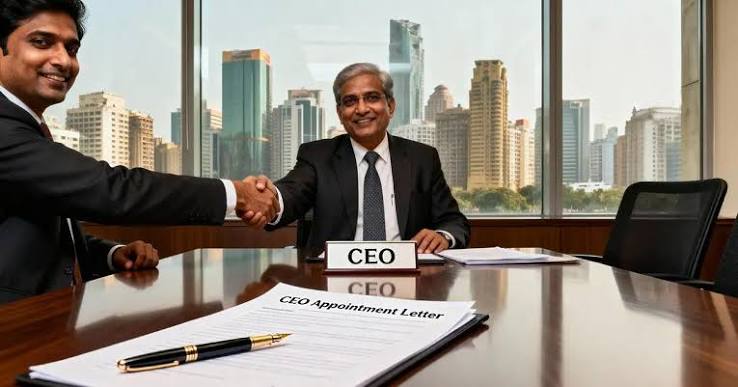
Most Indian startup disputes don’t start with money. They start with a handshake — the moment you decided your friend would be a good person to build this with, and skipped the paperwork that would have protected both of you.
Under the Companies Act, 2013, appointing a director isn’t a casual decision. It’s a legal act with consequences that outlast the friendship, and in some cases, outlast the company.
TL;DR: Making someone a director gives them legal standing to act on behalf of your company — signing contracts, accessing bank accounts, voting on resolutions. Without a co-founder agreement and a well-drafted AOA, a falling-out can lock you out of your own business. This post covers exactly what rights a director gets, what liabilities come with the role, and how to structure the appointment so you stay protected.
What You’ll Learn
What legal rights a director gets the moment they’re appointed
What liabilities attach to a director — including ones most founders don’t expect
How director removal actually works under the Companies Act, 2013
Why a co-founder agreement is non-negotiable, and what it must cover
A checklist for appointing a co-founder director the right way
What Happens the Moment You Appoint Someone a Director
When your friend gets a DIN (Director Identification Number) and signs Form DIR-2, they become a director of record at the MCA. That’s not symbolic — it’s legal standing.
From that point, your new director can:
Execute contracts and agreements on behalf of the company
Access company bank accounts (if authorised by the board)
Vote on board resolutions — including ones that affect your own position
Be held personally liable by regulators and creditors for the company’s defaults
That last point is where most first-time founders are caught off guard. Under Section 166 of the Companies Act, 2013, every director owes a fiduciary duty to the company — not to you personally, and not to your friendship. They must act in the best interest of the company as defined by law, even when that conflicts with what you want.
The Liabilities Your Friend Is Signing Up For
This is the conversation most co-founders skip. A director in India can be personally liable for:
Tax defaults: Under Section 179 of the Income Tax Act, directors of a private company can be held personally liable for unpaid tax dues if the company’s assets are insufficient to cover them.
GST non-compliance: The GST Act allows recovery from directors personally if the company fails to deposit collected GST.
ROC filing defaults: Directors named in a company are responsible for ensuring annual filings — AOC-4, MGT-7, ADT-1 — are submitted on time. Defaults attract penalties starting at ₹100 per day per form, with no upper cap in many cases.
FEMA violations: For startups taking foreign investment, directors can face FEMA proceedings if filings to the RBI are missed.
None of these liabilities disappear just because the directorship was informal or the company was small. Your friend needs to understand what they’re signing before they sign it.
How Director Removal Actually Works (And Why It’s Harder Than You Think)
Here’s the scenario nobody wants to think about until it’s too late: the partnership sours, and you want them out.
Under Section 169 of the Companies Act, 2013, a director can be removed by an ordinary resolution at a general meeting — but the process has teeth:
Special notice (28 days before the meeting) must be given to all members.
The director being removed has the right to make a representation to the shareholders, which must be circulated before the vote.
If the director also holds shares, their shareholding is completely unaffected by their removal as a director. They remain a shareholder.
That last point is where co-founder disputes get expensive. You can remove someone from the board, but if they hold 25% of your company’s equity, they can still block special resolutions, access financial information as a member, and, depending on your AOA, may have pre-emption rights on share transfers.
This is exactly why a co-founder agreement — drafted before any appointment — is not optional.
What a Co-Founder Agreement Must Cover
A co-founder agreement (sometimes structured as a Shareholders’ Agreement or SHA) is a private contract between founders. It doesn’t get filed with the MCA, but it is legally enforceable. At a minimum, it should address:
Equity split and vesting schedule: How much each founder holds, and whether shares vest over time (typically 4 years with a 1-year cliff). Vesting protects the company if a co-founder exits early.
Roles and decision-making authority: Which decisions require unanimity, which require majority, and who has operational authority over what.
IP assignment: All IP created by a co-founder must be formally assigned to the company — not left in their personal name.
Exit and buyout mechanics: What happens if a co-founder wants to leave, is removed, or dies — including a right of first refusal on their shares.
Non-compete and non-solicitation clauses: Standard protections for a defined period post-exit.
Setting up your business registration properly from day one — with the right AOA provisions and a co-founder agreement locked in — is far cheaper than unwinding a badly structured partnership later.
The Checklist: Appointing a Co-Founder Director the Right Way
Before you file DIR-2 and DIR-12 with the MCA, work through this:
[ ] Co-founder agreement drafted and signed (before any MCA filing)
[ ] Equity split agreed in writing, with a vesting schedule if applicable
[ ] AOA reviewed — ensure it reflects your actual governance intentions (quorum rules, reserved matters, removal procedure)
[ ] DIN obtained for all new directors (apply via DIR-3 on MCA V3 portal)
[ ] DSC (Digital Signature Certificate) obtained — required for all MCA filings
[ ] DIR-2 (consent to act as director) signed and collected
[ ] DIR-12 (intimation of appointment) filed with the MCA within 30 days of appointment
[ ] Board resolution passed approving the appointment
[ ] New director added to company’s Register of Directors (Section 170)
If your company takes any foreign investment now or in the future, also ensure your co-founder agreement and SHA are compatible with your cap table structure and FEMA requirements. A trademark registration for your brand, done early, also ensures that IP is in the company’s name before a co-founder dispute ever arises.
Frequently Asked Questions
Q: Can I appoint a friend as a director without giving them shares? A: Yes. Directorship and shareholding are legally separate under the Companies Act, 2013. You can appoint someone as a director with zero equity — they get governance rights but no ownership stake. Document this clearly in the co-founder agreement to avoid future claims.
Q: What is the minimum number of directors for a private limited company? A: A private limited company requires a minimum of 2 directors and can have up to 15 (extendable by special resolution). At least one director must be ordinarily resident in India — meaning they have stayed in India for at least 182 days in the previous calendar year.
Q: If my co-founder leaves, are they still liable for company defaults that happened while they were a director? A: Yes, in most cases. Liability under Section 179 of the Income Tax Act and equivalent provisions attaches to the period during which a person served as director. Filing Form DIR-11 (resignation) and DIR-12 (intimation) promptly limits exposure for future defaults, but past-period liabilities can survive a resignation.
Q: Does a director removal affect their shareholding? A: No. Removal under Section 169 only ends their directorship. Their equity stake remains intact. If you want them out of the cap table as well, the co-founder agreement’s buyout clause — triggered by the removal — is the mechanism that handles that.
Q: What happens if we never signed a co-founder agreement and the partnership breaks down? A: Without a co-founder agreement, disputes fall back on the Companies Act, the AOA, and general contract law — a much slower and more expensive resolution path. Courts have held that oral agreements among founders carry weight but are notoriously hard to prove. Get it in writing before the problem, not after.
Q: Can a director be appointed without their knowledge? A: No. Form DIR-2 — the written consent to act as director — is mandatory and must be signed by the incoming director before DIR-12 is filed. Fraudulent appointment of directors without consent is a criminal offence under the Companies Act, 2013.
Making someone a director is one of the most consequential decisions in your startup’s early life. Lawizer helps founders structure co-founder agreements, draft director appointment documents, and stay compliant with MCA filings — fully online, starting at ₹4,999. Get started →
📌 TL;DR: A founder vesting schedule in India means promoters earn their shares over time — typically 4 years with a 1-year cliff — instead of receiving 100% ownership on day one. It protects the company from “dead equity” if a co-founder exits early, signals discipline to investors, and is enforced through a shareholders’ agreement rather than directly under the Companies Act, 2013. Lawizer drafts founders’ agreements with vesting built in from incorporation, not retrofitted after a dispute.
What You’ll Learn
What founder vesting actually means and why it differs from employee ESOP vesting
The standard 4-year, 1-year cliff structure Indian investors expect to see
How reverse vesting works for founders who already hold shares
Which clauses your founders’ agreement or SHA must include
What happens to unvested equity when a co-founder leaves
What Is a Founder Vesting Schedule?
A vesting schedule is the timeline over which a founder “earns” full legal ownership of the shares allotted to them, rather than owning everything outright the moment the company incorporates. Here’s the key point: once a company allots shares under the Companies Act, 2013, the shareholder becomes their legal owner.
Vesting does not change ownership directly. Instead, it operates through a contractual mechanism in the founders’ agreement or Shareholders’ Agreement (SHA). This provision requires a departing founder to sell back any unvested shares.
The term “reverse vesting” refers to an arrangement where the founder already holds the shares and must transfer the unearned portion back if they exit early. Unlike an employee, who earns options that vest over time, the founder starts with the shares and gives back the unearned portion if they leave before the vesting period ends.
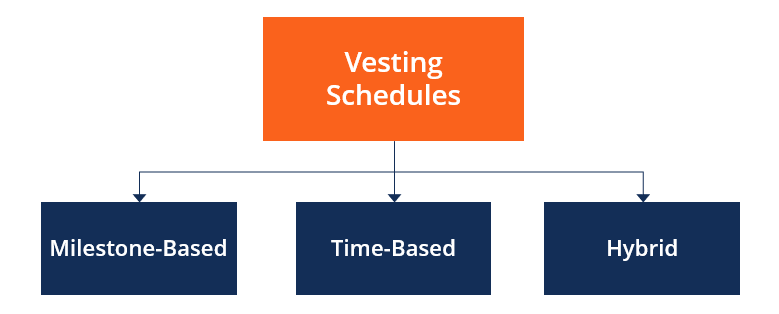
Many founders believe vesting only benefits investors. In reality, it also protects co-founders from day one. It safeguards both the founders and the company’s cap table. A four-year vesting period with a one-year cliff is now the standard in India and globally. A cliff is the initial period during which no equity vests.
Why Indian Founders Can’t Afford to Skip It
What’s the real cost of skipping vesting? Picture an equal three-way split with no agreement. One founder leaves after eight months. The remaining two now need that person’s consent for almost every shareholder-level decision — share issuance, a new funding round, even routine governance — because they still legally hold their full stake.
This isn’t a rare scenario. Disputes over undocumented equity promises and dormant cap table entries are among the most common founder-side legal issues Indian startups bring to law firms once a funding round is in motion. A co-founder who went passive — moved abroad, became inactive, or simply stopped contributing — can still hold pre-emptive and anti-dilution rights that block a Series A from closing on time.
The short answer: A founder vesting schedule turns a potential equity dispute into a pre-agreed contractual outcome. Without it, founders often face legal disputes later. These cases may end up before the National Company Law Tribunal (NCLT) under Sections 241–242 of the Companies Act, 2013.
The Standard Structure: 4-Year Vesting, 1-Year Cliff
Let’s break this down. The structure almost every Indian startup and investor expects looks like this:
Year 0–1 (the cliff):No shares vest. If a founder leaves before the 12-month mark, they walk away with nothing.
End of Year 1: 25% of the founder’s shares vest in one go.
Year 1–4: The remaining 75% vests monthly, in equal instalments — roughly 1/36th each month.
Year 4 : The founder becomes fully vested and owns their entire allotted stake outright.
Founders who complete significant pre-incorporation work can negotiate vesting credit, allowing them to start partially vested on day one instead of beginning at zero. This is reasonable when documented, but it should be the exception, agreed in writing, not assumed.
Acceleration Clauses Worth Knowing
Acceleration speeds up vesting if a specific event occurs, usually an acquisition. Double-trigger acceleration offers a more balanced approach because it requires both an acquisition and a termination without cause before equity accelerates. This structure prevents founders from cashing out immediately after a deal closes and walking away, while still protecting them if the new owner later terminates them without cause.
Drafting It Right: What Your Founders’ Agreement Must Cover
A vesting clause that’s vague is almost as risky as having none. A quick example: an agreement that says shares vest “over time” without defining the cliff, the monthly schedule, or what counts as a “good leaver” versus a “bad leaver” leaves every term open to dispute later.
At minimum, your founders’ agreement or SHA should define:
Exact vesting schedule: cliff length, total vesting period, and vesting frequency (monthly is most common).
Good Leaver vs. Bad Leaver: The company repurchases unvested shares at fair value when a founder qualifies as a good leaver (for example, due to resignation, health reasons, or mutual agreement). However, the company repurchases those shares at face value or nil value when a founder becomes a bad leaver because of termination for cause or a breach of the agreement.
Valuation mechanism for buyback: who values the unvested shares, and by when. Without this, parties default to Rule 11UA of the Income Tax Rules, 1962 — a method built for tax compliance, not equitable founder buyouts.
IP assignment: a separate but related clause ensuring all IP built by founders, including pre-incorporation work, sits with the company, not the individual.
Deadlock resolution: what happens if co-founders can’t agree on a reserved matter, including a forced transfer trigger for serious breaches.
Getting these clauses drafted correctly at incorporation is far cheaper than fixing them later. Lawizer’s company incorporation services include founders’ agreement drafting with vesting built in from day one, so you’re not retrofitting protection after a co-founder relationship has already gone sideways.
Founder Vesting vs ESOP Vesting: Don’t Confuse the Two
Here’s a distinction that trips up a lot of founders. Section 62(1)(b) of the Companies Act, 2013, along with Rule 12 of the Companies (Share Capital and Debentures) Rules, 2014, governs Employee Stock Option Plans (ESOPs) in India.
Rule 12 generally prohibits promoters and directors holding more than 10% equity from receiving ESOPs. However, companies recognised as startups under the Startup India initiative by DPIIT can grant ESOPs to these individuals, as the exemption remains available for up to 10 years from the date of incorporation.
In contrast, founder vesting does not operate under an ESOP scheme. Instead, founders receive their shares through a separate ownership arrangement. It’s a contractual obligation in the founders’ agreement or SHA that applies to shares already allotted to promoters at incorporation. The two mechanisms achieve a similar goal — earning equity over time — but they sit in completely different legal frameworks, and confusing them in your documentation is a common drafting mistake.
If you’re also setting up an employee option pool alongside founder vesting, make sure your MSME and compliance registrations are in place first — investors will check both during diligence.
What Happens When a Co-Founder Leaves Early
A quick example to make this concrete: a founder holding 30% equity leaves at the end of Year 2, with a standard 4-year/1-year-cliff schedule in place. They’ve vested 25% (the cliff) plus 12 months of monthly vesting — roughly 50% of their total grant.
The other 50% reverts to the company, typically at face value or nil consideration as specified in the buyback clause, and can be reallocated to a replacement co-founder, added to the ESOP pool, or held by the company.
What most founders miss: if the agreement is silent on the buyback price for unvested shares, the default valuation route is Rule 11UA — net asset value or discounted cash flow — which was designed for income tax compliance, not for a fair founder exit. Specifying the valuation method and timeline in writing at the start avoids a costly negotiation later.
When Should You Set Up Vesting?
The short answer: at incorporation, before any institutional money comes in. Investors increasingly check for a vesting schedule and a documented founders’ agreement during diligence, and discovering its absence mid-term-sheet negotiation is a red flag that can delay or derail a round.
If you’ve already incorporated without one, it’s not too late — but it does require every co-founder to agree to retroactively place their existing shares under a vesting arrangement, which is a harder conversation than setting it up on day one. Either way, this sits alongside your other founder-stage filings, including your company’s annual income tax return filing and trademark protection for your brand.
Frequently Asked Questions
Q: Is founder vesting legally required in India?
A: No, the Companies Act, 2013 does not mandate founder vesting. It’s a contractual protection built into your founders’ agreement or SHA, not a statutory requirement. However, most institutional investors will insist on it before closing a funding round.
Q: What’s the difference between vesting and reverse vesting?
A: Vesting typically refers to options or shares granted to employees that they earn over time before receiving them. Reverse vesting applies to founders who already hold their shares; if they leave early, the unvested portion is sold back to the company. Founder agreements almost always use reverse vesting.
Q: Can founders negotiate a shorter vesting period than 4 years?
A: Yes. A 2-3 year vesting schedule with a shorter cliff is more founder-friendly and is sometimes accepted by early-stage investors, especially if the founder has already demonstrated significant traction. The 4-year, 1-year-cliff structure remains the default investors expect, so any deviation should be clearly justified and documented.
Q: What happens to unvested shares if a co-founder is asked to leave for cause?
A: This depends entirely on your “bad leaver” clause. Most agreements specify that unvested shares are forfeited at nil or face value in a for-cause termination, while vested shares may still be repurchased at fair value or retained, depending on the agreement’s terms. Without this clause defined in writing, the company has no automatic right to claw back shares.
Q: Does vesting reset when the startup raises a new funding round?
A: Generally no — founder equity is diluted as new shares are issued, but the original vesting timeline continues unchanged unless all parties specifically negotiate otherwise. Series A investors sometimes ask for renegotiated or restarted vesting as a condition of the round, which founders should review carefully before agreeing.
Q: Can a solo founder skip vesting entirely?
A: A solo founder has no co-founder to protect against, but investors will still often require founder vesting before funding, since it protects them against the founder leaving the company early post-investment. It’s worth setting up even for a single-founder startup if outside funding is on the roadmap.
Ready to protect your founder equity the right way?
Lawizer’s experts handle everything — founders’ agreement drafting, vesting schedule structuring, and full company incorporation — fully online, starting at just ₹1,499. No CA visit needed.
Three founders. One equal 33% split. No vesting schedule. Eighteen months later, one co-founder stops contributing but still owns one-third of the company. Many founders make the mistake of skipping a founder vesting schedule. At Lawizer, we have seen this happen often. This single document helps prevent future ownership disputes.
Eighteen months later, one co-founder stops contributing. However, they still own one-third of the company. Many founders make the mistake of skipping a founder vesting schedule.cision you make.
📌 TL;DR: A founder vesting schedule in India means promoters earn their shares over time — typically 4 years with a 1-year cliff — instead of receiving 100% ownership on day one. It protects the company from “dead equity” if a co-founder exits early, signals discipline to investors, and is enforced through a shareholders’ agreement rather than directly under the Companies Act, 2013. Lawizer drafts founders’ agreements with vesting built in from incorporation, not retrofitted after a dispute.
What You’ll Learn
What founder vesting actually means and why it differs from employee ESOP vesting
The standard 4-year, 1-year cliff structure Indian investors expect to see
How reverse vesting works for founders who already hold shares
Which clauses your founders’ agreement or SHA must include
What happens to unvested equity when a co-founder leaves
What Is a Founder Vesting Schedule?
A vesting schedule is the timeline over which a founder “earns” full legal ownership of the shares allotted to them, rather than owning everything outright the moment the company incorporates. Here’s the key point: once a company allots shares under the Companies Act, 2013, the shareholder becomes their legal owner.
Vesting does not change ownership directly. Instead, it operates through a contractual mechanism in the founders’ agreement or Shareholders’ Agreement (SHA). This provision requires a departing founder to sell back any unvested shares.
The term “reverse vesting” refers to an arrangement where the founder already holds the shares and must transfer the unearned portion back if they exit early. Unlike an employee, who earns options that vest over time, the founder starts with the shares and gives back the unearned portion if they leave before the vesting period ends.
Many founders believe vesting only benefits investors. In reality, it also protects co-founders from day one. It safeguards both the founders and the company’s cap table. A four-year vesting period with a one-year cliff is now the standard in India and globally. A cliff is the initial period during which no equity vests.
Why Indian Founders Can’t Afford to Skip It
What’s the real cost of skipping vesting? Picture an equal three-way split with no agreement. One founder leaves after eight months. The remaining two now need that person’s consent for almost every shareholder-level decision — share issuance, a new funding round, even routine governance — because they still legally hold their full stake.
This isn’t a rare scenario. Disputes over undocumented equity promises and dormant cap table entries are among the most common founder-side legal issues Indian startups bring to law firms once a funding round is in motion. A co-founder who went passive — moved abroad, became inactive, or simply stopped contributing — can still hold pre-emptive and anti-dilution rights that block a Series A from closing on time.
The short answer: A founder vesting schedule turns a potential equity dispute into a pre-agreed contractual outcome. Without it, founders often face legal disputes later. These cases may end up before the National Company Law Tribunal (NCLT) under Sections 241–242 of the Companies Act, 2013.
The Standard Structure: 4-Year Vesting, 1-Year Cliff
Let’s break this down. The structure almost every Indian startup and investor expects looks like this:
Year 0–1 (the cliff):No shares vest. If a founder leaves before the 12-month mark, they walk away with nothing.
End of Year 1: 25% of the founder’s shares vest in one go.
Year 1–4: The remaining 75% vests monthly, in equal instalments — roughly 1/36th each month.
Year 4 : The founder becomes fully vested and owns their entire allotted stake outright.
Founders who complete significant pre-incorporation work can negotiate vesting credit, allowing them to start partially vested on day one instead of beginning at zero. This is reasonable when documented, but it should be the exception, agreed in writing, not assumed.
Acceleration Clauses Worth Knowing
Acceleration speeds up vesting if a specific event occurs, usually an acquisition. Double-trigger acceleration offers a more balanced approach because it requires both an acquisition and a termination without cause before equity accelerates. This structure prevents founders from cashing out immediately after a deal closes and walking away, while still protecting them if the new owner later terminates them without cause.
Drafting It Right: What Your Founders’ Agreement Must Cover
A vesting clause that’s vague is almost as risky as having none. A quick example: an agreement that says shares vest “over time” without defining the cliff, the monthly schedule, or what counts as a “good leaver” versus a “bad leaver” leaves every term open to dispute later.
At minimum, your founders’ agreement or SHA should define:
Exact vesting schedule: cliff length, total vesting period, and vesting frequency (monthly is most common).
Good Leaver vs. Bad Leaver: The company repurchases unvested shares at fair value when a founder qualifies as a good leaver (for example, due to resignation, health reasons, or mutual agreement). However, the company repurchases those shares at face value or nil value when a founder becomes a bad leaver because of termination for cause or a breach of the agreement.
Valuation mechanism for buyback: who values the unvested shares, and by when. Without this, parties default to Rule 11UA of the Income Tax Rules, 1962 — a method built for tax compliance, not equitable founder buyouts.
IP assignment: a separate but related clause ensuring all IP built by founders, including pre-incorporation work, sits with the company, not the individual.
Deadlock resolution: what happens if co-founders can’t agree on a reserved matter, including a forced transfer trigger for serious breaches.
Getting these clauses drafted correctly at incorporation is far cheaper than fixing them later. Lawizer’s company incorporation services include founders’ agreement drafting with vesting built in from day one, so you’re not retrofitting protection after a co-founder relationship has already gone sideways.
Founder Vesting vs ESOP Vesting: Don’t Confuse the Two
Here’s a distinction that trips up a lot of founders. Section 62(1)(b) of the Companies Act, 2013, along with Rule 12 of the Companies (Share Capital and Debentures) Rules, 2014, governs Employee Stock Option Plans (ESOPs) in India.
Rule 12 generally prohibits promoters and directors holding more than 10% equity from receiving ESOPs. However, companies recognised as startups under the Startup India initiative by DPIIT can grant ESOPs to these individuals, as the exemption remains available for up to 10 years from the date of incorporation.
In contrast, founder vesting does not operate under an ESOP scheme. Instead, founders receive their shares through a separate ownership arrangement. It’s a contractual obligation in the founders’ agreement or SHA that applies to shares already allotted to promoters at incorporation. The two mechanisms achieve a similar goal — earning equity over time — but they sit in completely different legal frameworks, and confusing them in your documentation is a common drafting mistake.
If you’re also setting up an employee option pool alongside founder vesting, make sure your MSME and compliance registrations are in place first — investors will check both during diligence.
What Happens When a Co-Founder Leaves Early
A quick example to make this concrete: a founder holding 30% equity leaves at the end of Year 2, with a standard 4-year/1-year-cliff schedule in place. They’ve vested 25% (the cliff) plus 12 months of monthly vesting — roughly 50% of their total grant.
The other 50% reverts to the company, typically at face value or nil consideration as specified in the buyback clause, and can be reallocated to a replacement co-founder, added to the ESOP pool, or held by the company.
What most founders miss: if the agreement is silent on the buyback price for unvested shares, the default valuation route is Rule 11UA — net asset value or discounted cash flow — which was designed for income tax compliance, not for a fair founder exit. Specifying the valuation method and timeline in writing at the start avoids a costly negotiation later.
When Should You Set Up Vesting?
The short answer: at incorporation, before any institutional money comes in. Investors increasingly check for a vesting schedule and a documented founders’ agreement during diligence, and discovering its absence mid-term-sheet negotiation is a red flag that can delay or derail a round.
If you’ve already incorporated without one, it’s not too late — but it does require every co-founder to agree to retroactively place their existing shares under a vesting arrangement, which is a harder conversation than setting it up on day one. Either way, this sits alongside your other founder-stage filings, including your company’s annual income tax return filing and trademark protection for your brand.
Frequently Asked Questions
Q: Is founder vesting legally required in India?
A: No, the Companies Act, 2013 does not mandate founder vesting. It’s a contractual protection built into your founders’ agreement or SHA, not a statutory requirement. However, most institutional investors will insist on it before closing a funding round.
Q: What’s the difference between vesting and reverse vesting?
A: Vesting typically refers to options or shares granted to employees that they earn over time before receiving them. Reverse vesting applies to founders who already hold their shares; if they leave early, the unvested portion is sold back to the company. Founder agreements almost always use reverse vesting.
Q: Can founders negotiate a shorter vesting period than 4 years?
A: Yes. A 2-3 year vesting schedule with a shorter cliff is more founder-friendly and is sometimes accepted by early-stage investors, especially if the founder has already demonstrated significant traction. The 4-year, 1-year-cliff structure remains the default investors expect, so any deviation should be clearly justified and documented.
Q: What happens to unvested shares if a co-founder is asked to leave for cause?
A: This depends entirely on your “bad leaver” clause. Most agreements specify that unvested shares are forfeited at nil or face value in a for-cause termination, while vested shares may still be repurchased at fair value or retained, depending on the agreement’s terms. Without this clause defined in writing, the company has no automatic right to claw back shares.
Q: Does vesting reset when the startup raises a new funding round?
A: Generally no — founder equity is diluted as new shares are issued, but the original vesting timeline continues unchanged unless all parties specifically negotiate otherwise. Series A investors sometimes ask for renegotiated or restarted vesting as a condition of the round, which founders should review carefully before agreeing.
Q: Can a solo founder skip vesting entirely?
A: A solo founder has no co-founder to protect against, but investors will still often require founder vesting before funding, since it protects them against the founder leaving the company early post-investment. It’s worth setting up even for a single-founder startup if outside funding is on the roadmap.
Ready to protect your founder equity the right way?
Lawizer’s experts handle everything — founders’ agreement drafting, vesting schedule structuring, and full company incorporation — fully online, starting at just ₹1,499. No CA visit needed.
India now has over 1.64 lakh DPIIT-recognised startups — yet most founders spend more time debating their pitch deck font than reading the one document that decides who controls their company when things go wrong. A shareholders’ agreement (SHA) is that document. And a poorly drafted one has ended more promising Indian startups than bad markets ever have.
Eight clauses. Get them right, and your startup has a rulebook that works for you at every stage — from first hire to first exit
📌 TL;DR:
A shareholders’ agreement (SHA) for startups in India is a private,
legally binding contract between company shareholders that governs
equity, voting rights, exits, and dispute resolution — separate from
the publicly filed Articles of Association (AoA). The 8 non-negotiable
SHA clauses include vesting schedules, anti-dilution protection, ROFR,
drag-along and tag-along rights, reserved matters, IP ownership,
non-compete, and dispute resolution. Lawizer’s legal experts can draft
a founder-ready SHA fully online, without a single CA visit.
What a shareholders’ agreement is and why it’s different from your AoA
The 8 clauses every Indian startup SHA must include — and what each one actually protects
Common mistakes Indian founders make and how courts in India have ruled on SHA disputes
What to do before your next funding round to make sure your SHA holds up legally
What Is a Shareholders’ Agreement — and Why It’s Not the Same as Your AoA
A Shareholders’ Agreement (SHA) is a private, confidential contract between the shareholders of a company. It’s governed by the Indian Contract Act, 1872, and typically signed after the company is incorporated under the Companies Act, 2013.
Unlike the Articles of Association (AoA) — which is a public document filed with the Registrar of Companies — the SHA stays between the parties. Nobody outside your shareholder group needs to see it.
Here’s the thing: the AoA and SHA often overlap, and that overlap can get you into trouble. The Supreme Court of India ruled in V.B. Rangaraj v. V.B. Gopalakrishnan that SHA clauses are only enforceable against the company if they’re also reflected in the AoA.
In other words, a beautifully drafted SHA that contradicts or isn’t backed up by your AoA can be legally worthless when you need it most. Always ensure both documents are harmonised — this is step one before any investor signs.
What most founders miss: the SHA isn’t just an investor protection tool. It’s the founders’ rulebook too. It decides how equity is split, who can vote on what, what happens when a co-founder wants to leave, and who gets paid first when the company exits. Skipping it — or copying a template from the internet — is how co-founder disputes become courtroom dramas.
Clause 1 & 2: Vesting Schedule and Anti-Dilution Protection
These two clauses do the heavy lifting in every early-stage SHA, and they’re almost always the ones founders regret skipping.
1)Vesting Schedule
A vesting schedule is a timeline over which a founder or employee earns their equity. The standard in India’s startup ecosystem is a 4-year vesting period with a 1-year cliff — meaning no equity is earned in the first year, and after that, shares vest monthly or quarterly. If a co-founder leaves in month eight, they walk away with nothing. Without a vesting clause? They keep 100% of their shares and potentially block your next funding round.
A quick example: two Bengaluru-based SaaS founders split equity 50-50 on Day 1 with no vesting. Six months later, one leaves for a corporate job. The remaining founder has to raise a Series A with a co-founder who’s no longer involved holding half the company. Most investors in India will simply walk away from that table. Vesting prevents this scenario entirely.
2)Anti-Dilution Protection
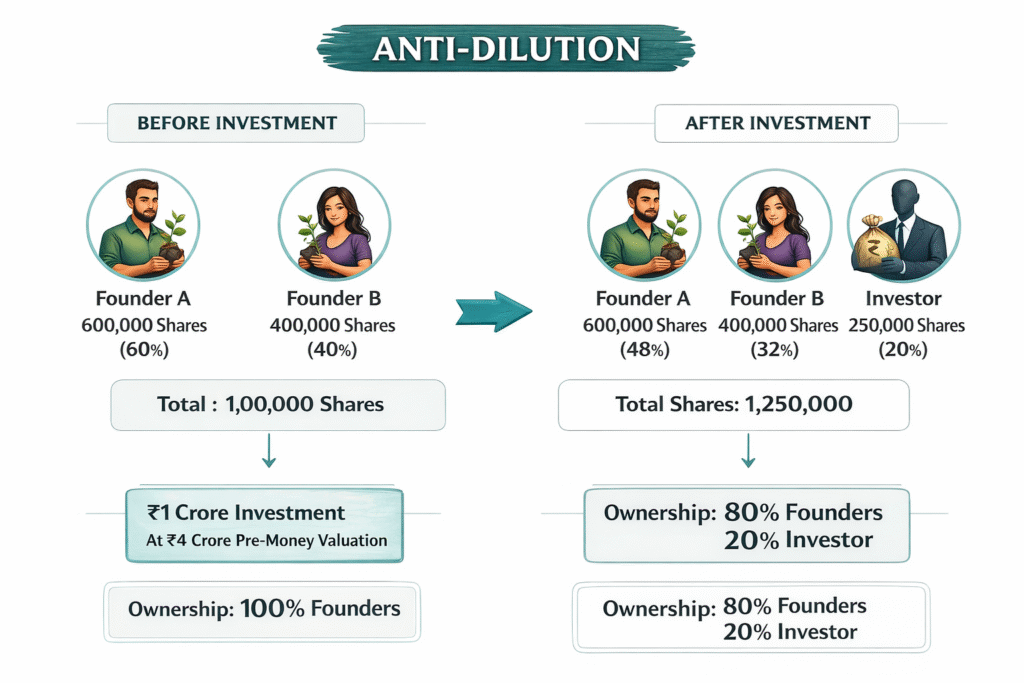
Anti-dilution clauses protect early investors (and sometimes founders) if the company raises a future round at a lower valuation — what’s called a “down round.” There are two main types: full ratchet (the investor’s price resets entirely to the new lower price — aggressive, investor-friendly) and weighted average (a proportionate adjustment based on the amount of new capital raised — fairer for founders). Always negotiate for weighted average. Full ratchet can wipe out a founder’s stake overnight after one bad quarter.
Clause 3 & 4: Right of First Refusal (ROFR) and Share Transfer Restrictions
Imagine waking up to discover that your co-founder sold their stake to a competitor. This isn’t a hypothetical — it’s happened to real Indian startups, and it’s exactly what ROFR and share transfer restrictions are designed to prevent. According to Bridge Counsels’ analysis of Indian SHA disputes, share transfer clauses are among the most heavily negotiated provisions in early-stage agreements.
A Right of First Refusal (ROFR) means that if a shareholder wants to sell their shares, they must first offer them to existing shareholders at the same price being offered by an external buyer. If existing shareholders decline, the seller can go to the third party — but on terms no more favourable than what was offered internally.
A closely related mechanism, the Right of First Offer (ROFO), flips this slightly: the seller must first approach existing shareholders before even approaching external parties. ROFO is generally more seller-friendly; ROFR is more buyer-friendly. Your SHA should specify which applies, and in what sequence.
Let’s break this down. Share transfer restrictions serve a second purpose beyond just keeping competitors out: they let you control who becomes a shareholder. New shareholders change the dynamics of board votes, information rights, and exit decisions. Including a clause that requires written consent from existing shareholders (or a defined percentage of them) before any transfer happens is standard practice for any well-structured Indian startup.
Clause 5 & 6: Drag-Along and Tag-Along Rights
These two clauses sound similar but protect completely different parties — and both need to be in your SHA
1)Drag-Along Rights (Investor/Majority Protection)
A drag-along clause allows majority shareholders (typically investors or founders with large stakes) to force minority shareholders to join in a sale of the company under the same terms. Why does this matter?
Because if a strategic acquirer wants to buy 100% of your startup, a minority shareholder who refuses to sell can kill the entire deal. Drag-along rights eliminate that veto. They’re standard in Companies Act, 2013-governed private limited companies and are explicitly negotiated in almost every VC-backed Indian startup’s SHA.
2)Tag-Along Rights (Minority Protection)
Tag-along rights work in reverse — they protect minority shareholders. If a majority shareholder agrees to sell their stake to a third party, tag-along rights allow minority shareholders to “tag along” and sell their shares on the same terms.
Without this, a new majority owner could walk in, change the board, and effectively strand early investors or employee shareholders who had no say in the transaction. In Mumbai and Delhi-NCR where PE and VC activity is highest, tag-along clauses are non-negotiable from an investor’s perspective.
Clause 7: Reserved Matters and Board Governance
Not every business decision should be made by whoever has the most shares. Reserved matters are a list of decisions that require approval beyond a simple majority — often unanimous consent or a supermajority (say, 75% or more).
Think of it as a veto list for important decisions. Common reserved matters in Indian startup SHAs include: changes to the AoA, issuing new shares, taking on debt above a specified threshold, acquiring or merging with another company, changing the core business, and winding up the company.
Board governance clauses go hand in hand with this. Your SHA should clearly specify: how many board seats exist, who appoints them (founders vs. investors), what constitutes a quorum for board meetings, and how decisions are made when there’s a deadlock.
Speaking of deadlocks — include a deadlock resolution mechanism. “Texas Shoot-Out” (where one party names a price and the other must buy or sell at that price) and “Russian Roulette” provisions are recognised in Indian commercial contracts and give both parties a clean exit from a governance stalemate.
You can structure your entire startup legal foundation — from incorporation to SHA — online, without ever visiting a CA’s office. Getting the governance structure right from Day 1 saves months of renegotiation later.
Clause 8: IP Ownership, Non-Compete, and Dispute Resolution
These three provisions often get lumped into a “miscellaneous” section and under-negotiated. That’s a mistake — especially for tech startups in Bengaluru, Hyderabad, or Chennai where intellectual property (IP) is the company’s primary asset.
1)IP Ownership
Every piece of technology, code, brand, design, or process created by founders or employees must be assigned to the company — not remain with the individual. Your SHA should explicitly state this.
Without a clear IP assignment clause, a departing co-founder could legally claim ownership of the core product they built. If you’re building a tech startup and haven’t yet protected your brand, trademark registration should run parallel to your SHA drafting.
2)Non-Compete and Non-Solicit
A non-compete clause restricts departing shareholders from starting or joining a competing business for a defined period (typically 1–2 years after exit). A non-solicit clause prevents them from poaching employees or clients. In a July 2025 ruling — Paul Deepak Rajaratnam & Ors. v. Surgeport Logistics Pvt. Ltd.
The Delhi High Court upheld the enforceability of restrictive covenants in SHAs, confirming that interim injunctions can be granted to prevent breaches of non-compete terms under Section 27 of the Indian Contract Act, 1872.
3)Dispute Resolution
Litigation in Indian courts is expensive and slow. Almost every well-drafted SHA in India includes an arbitration clause — specifying that disputes will be resolved through private arbitration under the Arbitration and Conciliation Act, 1996, rather than civil court proceedings.
Specify the seat of arbitration (Mumbai and Delhi are most common), the governing law (Indian law), the number of arbitrators, and the language. This one clause can save years and crores in legal fees if a dispute escalates.
Frequently Asked Questions
Q: Is a shareholders’ agreement mandatory for Indian startups?
A: No, a shareholders’ agreement (SHA) is not mandatory under Indian law. However, it is strongly advisable for any startup with more than one shareholder. Without an SHA, disputes over equity, exits, and governance are governed only by the Articles of Association and the Companies Act, 2013 — which often don’t reflect what founders and investors actually agreed upon verbally or informally.
Q: What is the difference between an SHA and the Articles of Association in India?
A: The Articles of Association (AoA) is a public document filed with the Registrar of Companies and governs the company’s internal affairs. The SHA is a private, confidential contract between shareholders that covers rights and obligations in more detail. Under Indian law, any SHA clause that conflicts with the AoA may be unenforceable against the company — which is why lawyers always recommend aligning both documents when drafting an SHA.
Q: When should a startup sign its shareholders’ agreement?
A: Ideally, before the first external investment is brought in — or at the time of incorporating the company if there are multiple co-founders. Waiting until the first VC term sheet arrives means you’ll be negotiating SHA terms under time pressure and with far less leverage. The earlier you formalise equity, vesting, and governance, the cleaner your cap table looks to investors.
Q: Can a shareholders’ agreement override the Companies Act, 2013?
A: No. An SHA must comply with the Companies Act, 2013, and any provision that contradicts a statutory requirement will be void. For example, the Act sets minimum requirements for holding AGMs, maintaining registers, and filing returns with the MCA — none of these can be contracted away through an SHA. The SHA works within the statutory framework, not around it.
Q: Does a shareholders’ agreement need to be stamped in India?
A: Yes. Under applicable stamp laws in India, an SHA must be duly stamped before or at the time of execution to be admissible as evidence in court. Stamp duty rates vary by state — Maharashtra, Karnataka, and Delhi each have different rates. An unstamped or under-stamped SHA can be challenged in legal proceedings, so always stamp it correctly before any party signs.
Q: What happens if a co-founder leaves without a vesting clause in the SHA?
A: Without a vesting clause, a departing co-founder retains 100% of their equity regardless of how early they leave. This can make your startup uninvestable — most VC and angel investors in India will not fund a company where a non-contributing ex-founder holds significant equity. Worse, that founder still has shareholder rights, including voting rights and the right to information. A vesting schedule with a cliff period prevents exactly this scenario.
Ready to protect your startup with a legally sound SHA? Lawizer’s experts handle everything — shareholders’ agreement drafting, company incorporation, and trademark registration — fully online, starting at just ₹1,999. No CA visit needed.Get Your Startup Legal Documents Sorted →