Tag: indian law

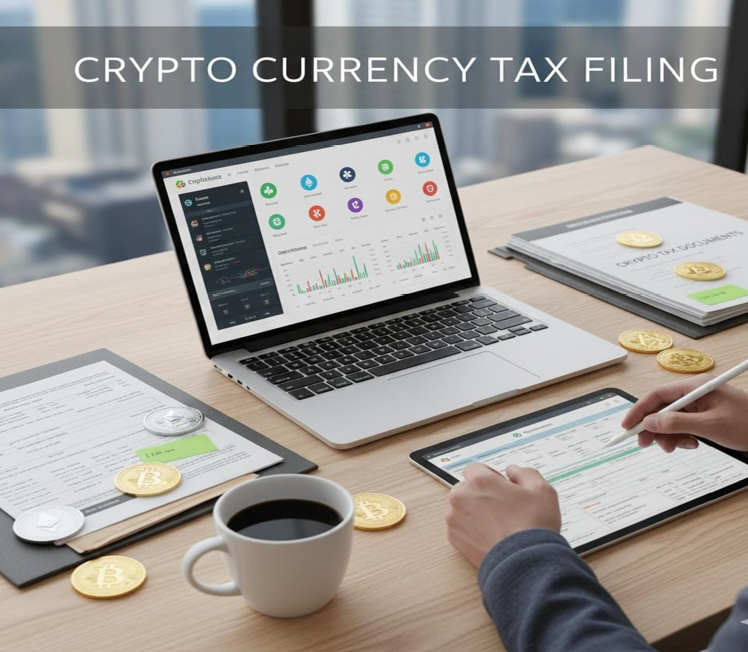
  • Cryptocurrency and Tax in India: The Definitive 2026 Guide

    Cryptocurrency and Tax in India: The Definitive 2026 Guide

    Introduction

    The Indian crypto landscape has traveled a long road from the uncertainty of 2018 to the structured—yet stringent—regulatory framework of 2026.

    As Virtual Digital Assets (VDAs) become a mainstay in the portfolios of Indian retail investors and institutional players alike, staying compliant is no longer just about avoiding penalties; it is about protecting your digital wealth.

    With the Union Budget 2026 introducing refined definitions for Decentralized Finance (DeFi) and cross-border transactions, the tax authorities are watching more closely than ever.

    This guide breaks down everything you need to know about navigating crypto taxes in India this year.


    The Core Tax Architecture: The 30% Rule

    Since the introduction of Section 115BBH in the Income Tax Act, the fundamental rule for crypto taxation in India has remained consistent.

    The Flat Tax Rate

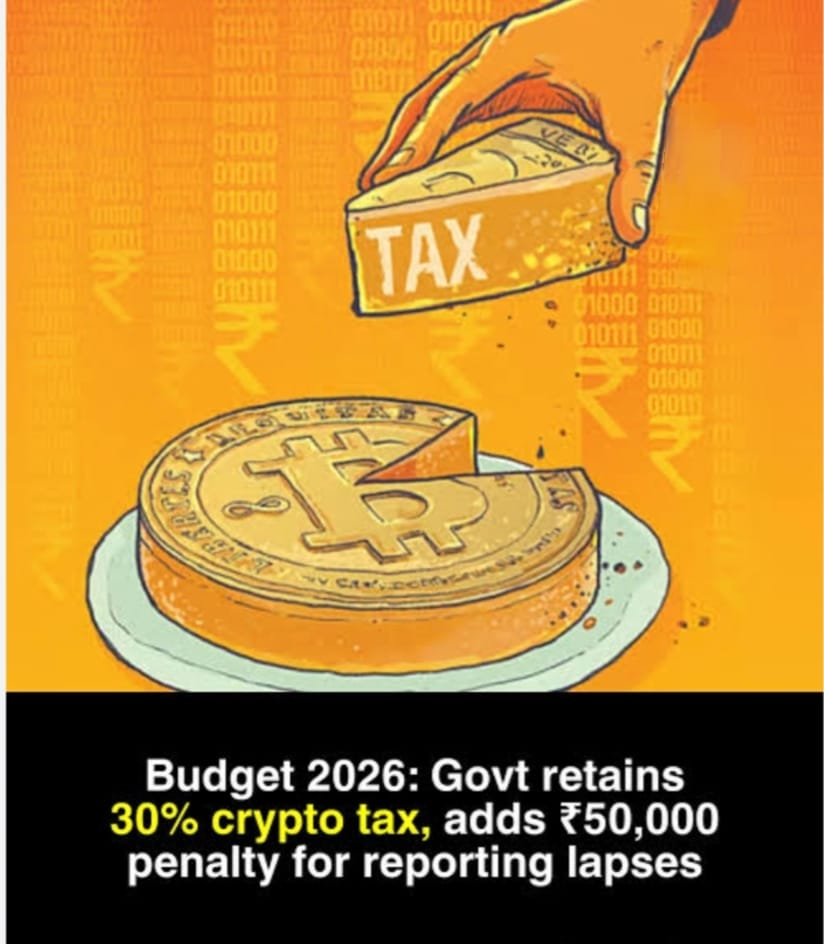
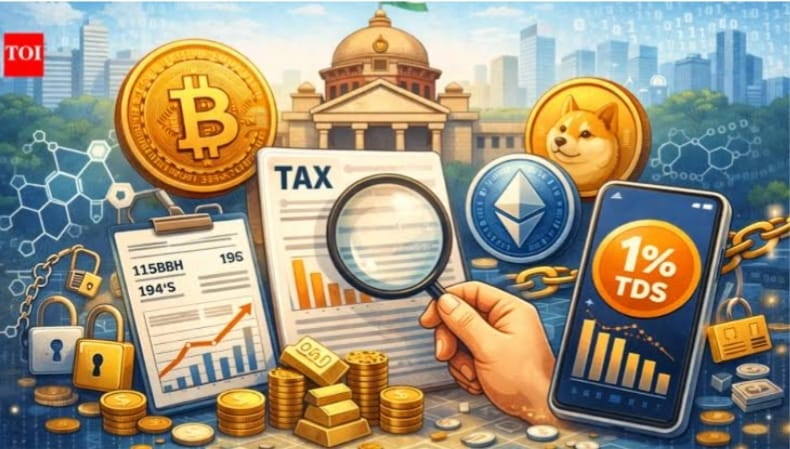
    Income from the transfer of any Virtual Digital Asset is taxed at a flat rate of 30%, regardless of your income tax slab.

    • No Deductions: Only the cost of acquisition is allowed. Expenses like electricity or platform fees cannot be claimed.
    • No Loss Set-off: Losses from one crypto asset cannot be adjusted against gains from another.

    The 1% TDS Mandate

    A 1% Tax Deducted at Source (TDS) under Section 194S is applicable on transactions exceeding ₹50,000 annually for specified persons.


    New for 2026: The Global Reporting Standard

    India has integrated with the Crypto-Asset Reporting Framework (CARF).

    The Income Tax Department now receives transaction data from international exchanges.

    This means offshore holdings are no longer invisible to regulators, and global compliance is now mandatory.


    Classifying Different Crypto Activities

    Taxation varies depending on how you engage with crypto assets:

    • Staking & Yield Farming: Taxed as “Income from Other Sources” at the time of receipt.
    • Airdrops & Gifts: Taxable if value exceeds ₹50,000.
    • Mining: Cost of acquisition is considered zero, making full sale value taxable.

    Why Compliance is Getting Complex: The PMLA Factor

    Crypto transactions now fall under the Prevention of Money Laundering Act (PMLA).

    Investors must maintain detailed records, including wallet addresses and transaction logs, for at least six years.


    How Lawizer Simplifies Crypto Compliance

    Tracking crypto transactions across exchanges and DeFi platforms can be overwhelming.

    Lawizer provides a streamlined solution for managing crypto tax compliance and audit readiness.

    Why Choose Lawizer?

    1. Automated Audit Trails: Generates tax-ready reports based on latest compliance rules.
    2. PMLA Compliance Support: Ensures AML and KYC adherence.
    3. Legal Review: Helps ensure tokens and smart contracts align with regulatory guidelines.

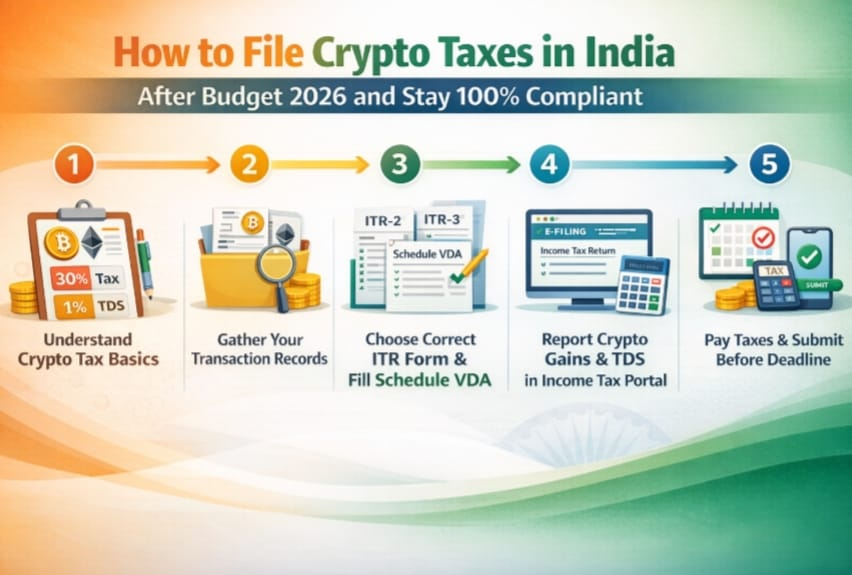
    Filing Your Returns: ITR-2 and ITR-3

    When filing your Income Tax Returns (AY 2026–27), ensure accurate reporting:

    • Schedule VDA: Report acquisition and transfer details.
    • Schedule FA: Mandatory for foreign-held crypto assets.

    Failure to disclose foreign assets may attract penalties up to ₹10 lakh under applicable laws.


    The Road Ahead: Regulation vs Innovation

    India is moving toward a “Regulate to Protect” approach under global frameworks like the G20 coordination model.

    The Reserve Bank of India (RBI) is also advancing its Digital Rupee initiative, which will further define the future of digital assets.


    Conclusion: Don’t Trade in the Dark

    In 2026, transparency is essential for crypto investors. Compliance is no longer optional—it is critical for protecting your assets.

    Using platforms like Lawizer ensures that your crypto investments remain legally secure and audit-ready.


    Frequently Asked Questions

    Is the 30% tax on crypto profits still mandatory in 2026?

    A: Yes. Under Section 115BBH, crypto income is taxed at 30% plus surcharge and cess.

    Can I offset losses between different cryptocurrencies?

    A: No. Losses cannot be set off against gains from other VDAs.

    What is the purpose of 1% TDS?

    A: It helps the government track transactions and can be claimed as tax credit.

    Do I need to report crypto held on foreign exchanges?

    A: Yes. It must be disclosed in Schedule FA to avoid heavy penalties.

    How is staking income taxed?

    A: It is taxed at receipt as income and again at sale under capital gains rules.

    Are crypto-to-crypto swaps taxable?

    A: Yes. They are treated as transfers and taxed accordingly.

  • The Rise of Green Credits: New Tax Incentives for India’s Eco-Startups in 2026

    The Rise of Green Credits: New Tax Incentives for India’s Eco-Startups in 2026

    Introduction

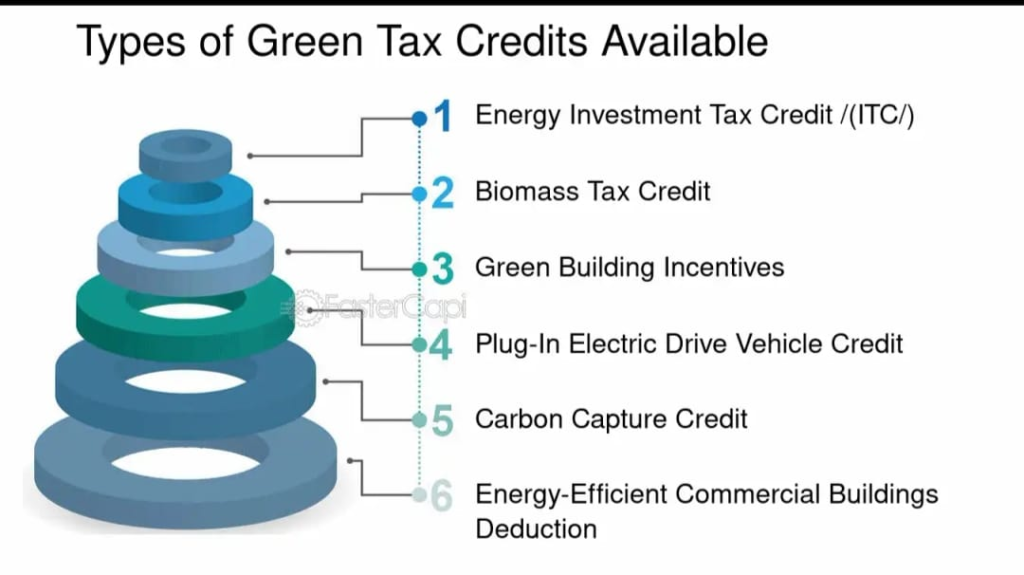
    The global shift toward sustainability is no longer a corporate social responsibility (CSR) footnote—it is a core economic driver. In India, the year 2026 marks a defining moment for the Green Economy.

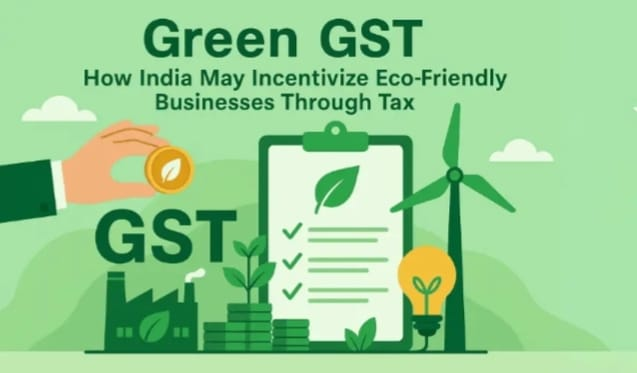
    With the operationalization of the Green Credit Program (GCP) and new tax incentives introduced in the Union Budget, eco-startups are moving to the center of institutional investment.


    Defining the Green Credit Program (GCP)

    Unlike traditional carbon credit systems that focus only on emissions reduction, the Green Credit Rules, 2023 take a broader approach to environmental impact.

    Green Credits are awarded for the following activities:

    • Tree Plantation: Increasing green cover through afforestation.
    • Water Management: Conservation and wastewater treatment.
    • Sustainable Agriculture: Promoting organic farming and land restoration.
    • Waste Management: Recycling initiatives and circular economy models.

    How the Ecosystem Functions

    The system is administered by the Indian Council of Forestry Research and Education (ICFRE).

    Startups must register projects on the Green Credit Portal and undergo verification before credits are issued.


    Tax Incentives: The 2026 Fiscal Push

    The Union Budget 2026 introduces strong financial incentives to support green businesses.

    Section 80-IBA Extension for Green Housing

    Startups working on green buildings certified by the Bureau of Energy Efficiency (BEE) can claim extended tax benefits.

    This includes eligibility for 100% profit deductions for sustainable infrastructure projects.

    Accelerated Depreciation on Green Technology

    Under the Income Tax Act, eco-startups can claim up to 40% accelerated depreciation on green equipment.

    Angel Tax Exemptions

    Investments in DPIIT-recognized startups focused on climate solutions are exempt from Angel Tax if used for green capital expenditure.


    The Tradability of Impact: ESG and Green Credits

    Demand for Green Credits is driven by large listed companies in India.

    Under the SEBI BRSR framework, companies must disclose environmental performance.

    • Marketplace: Startups can sell Green Credits to corporations.
    • Revenue Stream: Provides additional and stable income.
    • Compliance Tracking: Monitor disclosures via the Ministry of Corporate Affairs.

    Navigating the Regulatory Framework

    To qualify for Green Credits and incentives, startups must comply with strict regulations.

    1. Verification: Conducted by the Central Pollution Control Board (CPCB) and auditors.
    2. Digital Tracking: Credits are digitally recorded to prevent misuse.
    3. FEMA Compliance: Required for foreign funding under RBI guidelines.

    Challenges in the Green Credit Market

    Despite growth, eco-startups face key challenges:

    • Price Volatility: Credit values fluctuate based on demand.
    • Verification Delays: Credit issuance may take 6–12 months.

    The Future of Green Credits

    The government is working on integrating Green Credits with global carbon markets.

    Under Article 6 of the Paris Agreement, startups may soon convert Green Credits into Carbon Credits for international trade.


    Strategic Checklist for Eco-Founders

    • DPIIT Recognition: Register on Startup India.
    • BEE Certification: Obtain energy efficiency certifications.
    • Audit Trail: Maintain digital environmental records.

    How Lawizer Powers Your Green Startup

    Managing environmental compliance and tax regulations can be complex. Lawizer simplifies this process through advanced legal-tech solutions.

    It helps automate registration, manage documentation, and track compliance requirements across multiple government frameworks.

    Why Choose Lawizer?

    • Automated Compliance: Reduces manual effort.
    • Regulatory Tracking: Stay updated with policy changes.
    • Documentation Support: Ensure accuracy and compliance.
    • Centralized Dashboard: Manage everything in one place.

    Build a sustainable business with confidence using Lawizer.


    Conclusion: Scalability Through Sustainability

    Green Credits are emerging as a key asset in India’s startup ecosystem.

    The future belongs to businesses that not only generate profits but also contribute to environmental restoration.


    Frequently Asked Questions

    What is the difference between Carbon Credits and Green Credits?

    A: Carbon Credits focus on emission reduction, while Green Credits reward broader environmental actions like water conservation and waste management.

    Can startups claim both tax benefits and Green Credits?

    A: Yes. Startups can earn Green Credits while also claiming tax incentives under relevant provisions.

    How can Green Credits be monetized?

    A: Verified credits can be sold to corporations that need them for ESG compliance.

    Are eco-startups exempt from Angel Tax?

    A: Yes, DPIIT-recognized startups working on green initiatives are generally exempt.

    What are FEMA requirements for green funding?

    A: Foreign investments must comply with RBI guidelines, including rules for external borrowings.

    Who verifies environmental impact?

    A: Agencies like CPCB and authorized auditors verify environmental claims.

  • Navigating the New GST E-Invoicing Limits for 2026: A Roadmap for Compliance

    Navigating the New GST E-Invoicing Limits for 2026: A Roadmap for Compliance

    Introduction

    In the world of Indian indirect taxation, the “Paperless Revolution” has reached its final frontier.

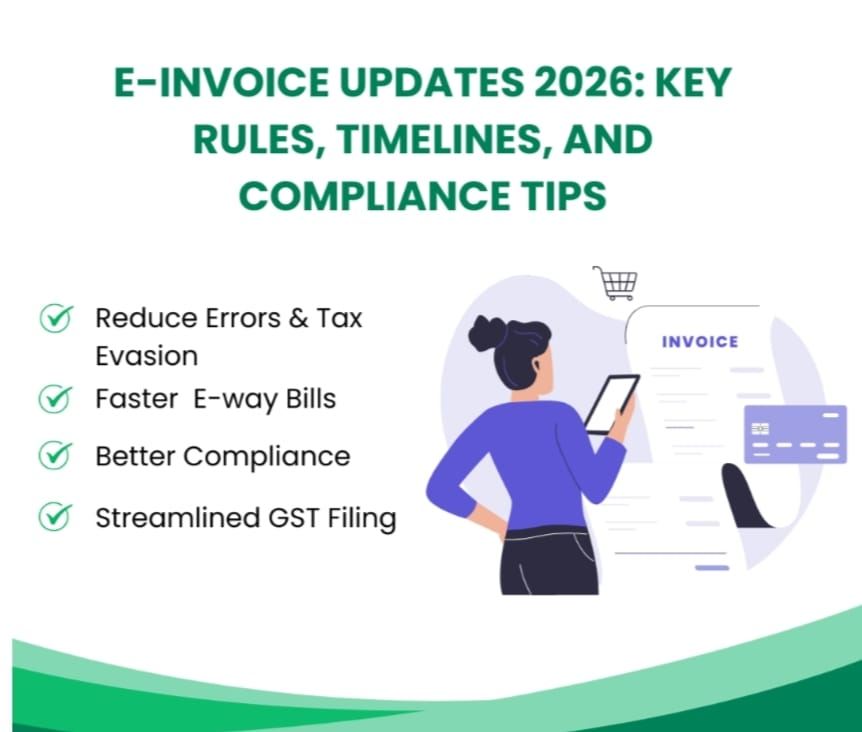
    As of 2026, the Goods and Services Tax (GST) framework has shifted from an optional digital convenience to a mandatory real-time reporting requirement for almost the entire organized sector.

    The latest lowering of e-invoicing turnover thresholds has brought lakhs of small and medium enterprises (SMEs) into the digital net.

    In 2026, compliance is no longer a monthly filing task—it is a live, transaction-by-transaction responsibility.


    What are the New E-Invoicing Limits for 2026?

    The phased implementation of e-invoicing started in 2020 for large corporations. Since then, the GST Council has systematically lowered this threshold to digitize the supply chain and curb tax evasion.

    The 2026 Threshold Shift

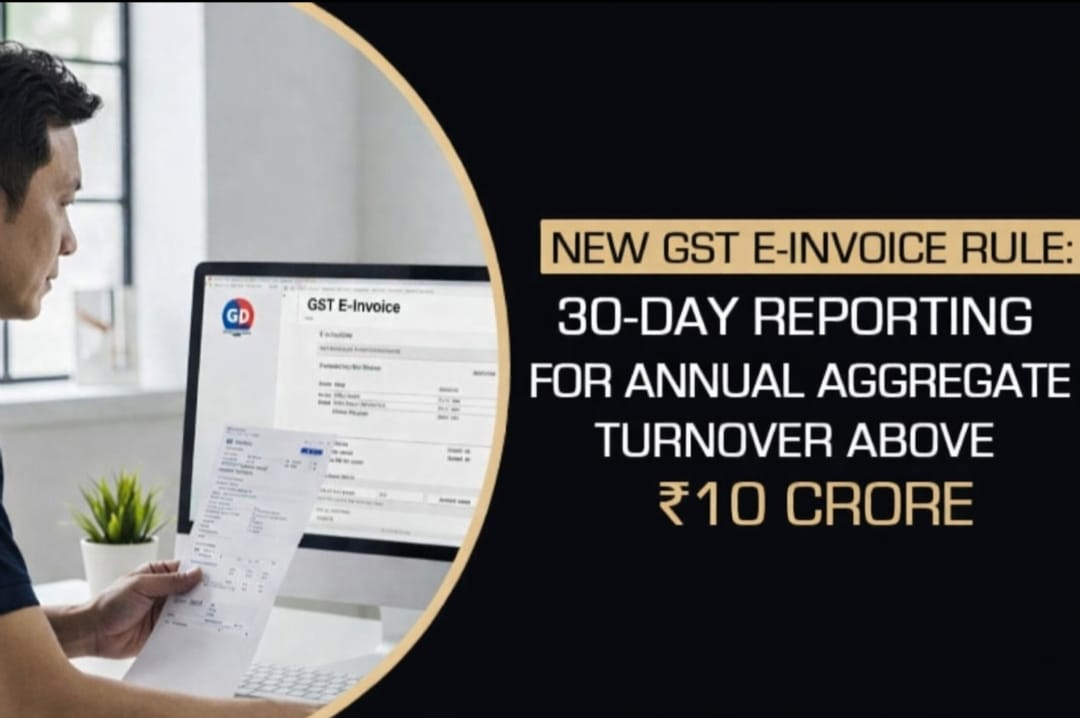
    Starting in the 2026 fiscal year, any business with an aggregate turnover exceeding ₹2 Crores in any preceding financial year (from 2017-18 onwards) is now mandated to generate e-invoices for all B2B transactions and exports.

    Why This Matters for Your Business

    • Universal Digitization: This pulls in almost every stable SME and high-growth startup in India.
    • Input Tax Credit (ITC): Customers cannot claim ITC unless you provide a valid e-invoice with a unique Invoice Reference Number (IRN).

    Understanding the E-Invoicing Workflow

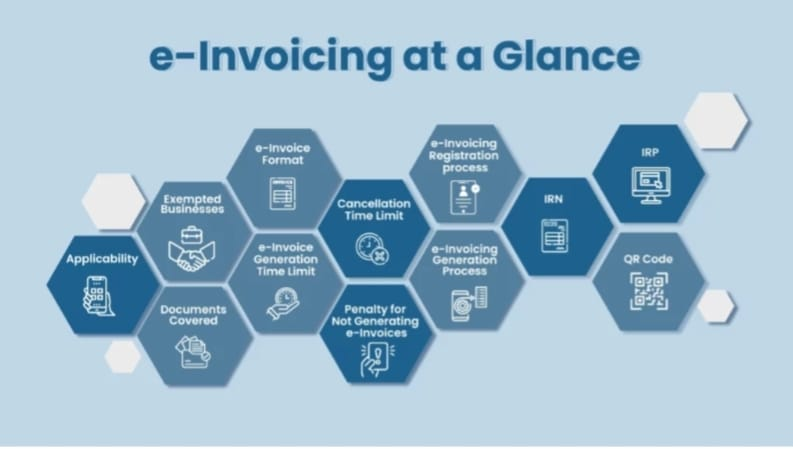
    E-invoicing does not mean generating an invoice directly on the GST portal. Instead, invoices are created in your accounting system and reported to the Invoice Registration Portal (IRP).

    The Step-by-Step Process

    1. Generation: Create the invoice in your ERP or accounting software.
    2. Reporting: Upload the invoice JSON file to the IRP.
    3. Validation: The IRP validates and generates a unique 64-character IRN and QR Code.
    4. Auto-Population: Data is pushed to GSTR-1 and the buyer’s GSTR-2B.

    The Risks of Non-Compliance

    In 2026, the Central Board of Indirect Taxes and Customs (CBIC) has tightened oversight on GST compliance.

    • Invalid Invoices: Without an IRN, invoices are not legally valid.
    • Heavy Penalties: 100% of tax due or ₹10,000 per invoice (whichever is higher).
    • Blocked Logistics: Without e-invoicing, generating an E-Way Bill becomes difficult.
    • Loss of Business: Buyers prefer compliant vendors to secure ITC benefits.

    How Lawizer Simplifies E-Invoicing

    For businesses crossing the ₹2 Crore threshold, technical integration can be complex. Lawizer provides a seamless solution to simplify compliance.

    Why Choose Lawizer?

    • One-Click IRN Generation: Direct invoice generation from your dashboard.
    • Error Validation: AI-based checks prevent GSTIN and HSN errors.
    • ITC Reconciliation: Auto-match vendor invoices with purchase records.
    • GSTN Integration: Smooth connectivity with the GST network.

    Stay compliant and scale your business effortlessly with Lawizer.


    Conclusion: Compliance as a Competitive Edge

    The 2026 e-invoicing mandate signals a shift toward real-time tax transparency in India.

    While initial adaptation may seem complex, benefits like faster ITC claims and reduced audits make it worthwhile.

    With expert support from Lawizer, businesses can remain compliant, efficient, and growth-focused.


    Frequently Asked Questions

    Does the ₹2 Crore limit apply to current turnover?

    A: No. It applies if turnover exceeded ₹2 Crores in any previous financial year since 2017-18.

    Is e-invoicing required for B2C transactions?

    A: No. It is currently mandatory only for B2B, B2G, and export transactions.

    Can an e-invoice be canceled?

    A: Yes, but only within 24 hours on the IRP. After that, a credit note must be issued.

  • Union Budget 2026: The Strategic “Operating System” for Indian Tech Startups

    Union Budget 2026: The Strategic “Operating System” for Indian Tech Startups

    Introduction

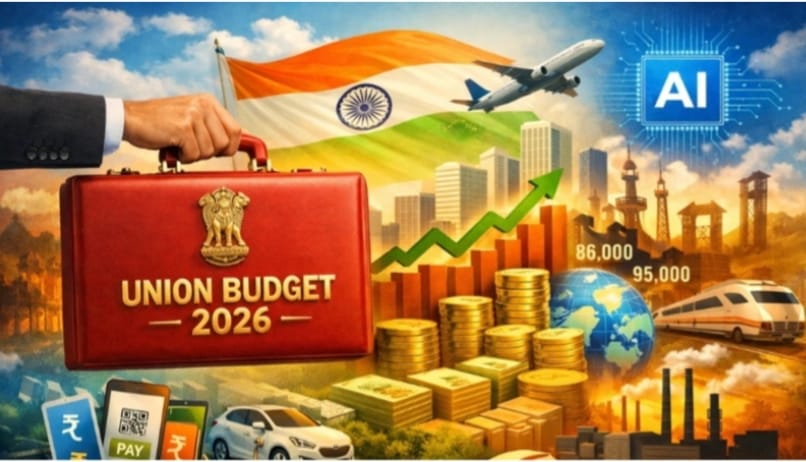
    The Union Budget 2026-27 has officially signaled the end of the “quick-fix” subsidy era.

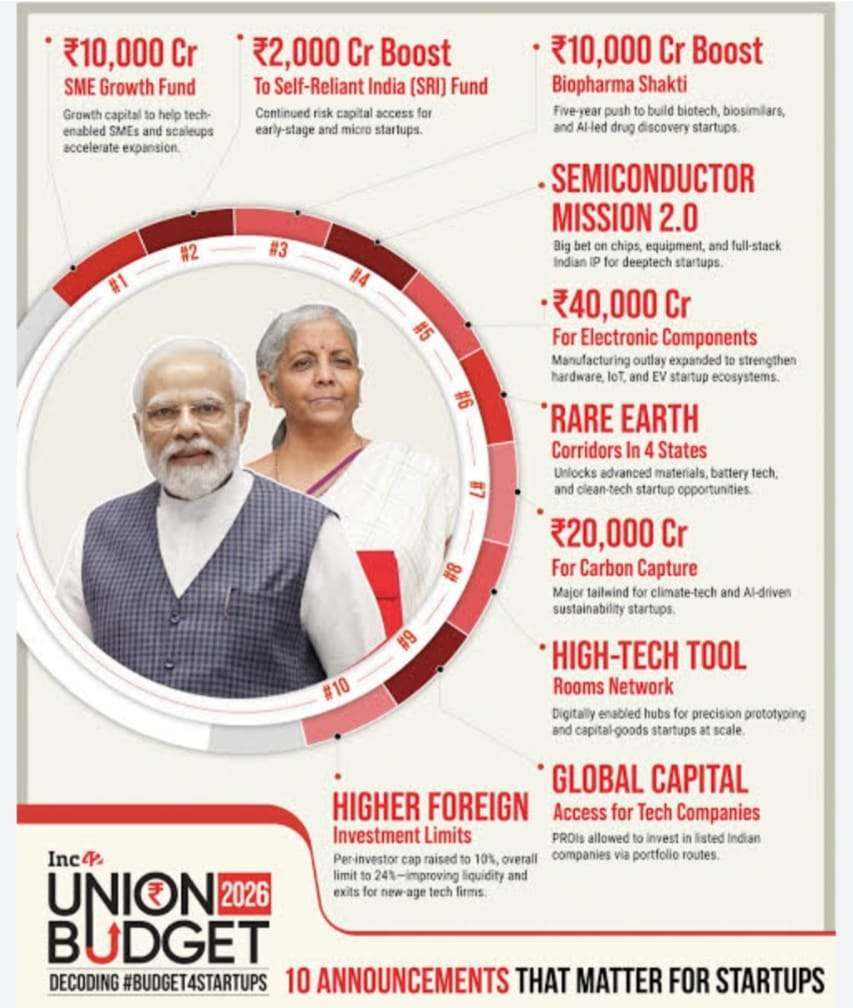
    Finance Minister Nirmala Sitharaman has instead unveiled a structural “Operating System” for the Indian tech ecosystem—focusing on long-term infrastructure, tax predictability, and a massive bet on the Orange Economy.

    For the Indian tech ecosystem, this isn’t just another fiscal plan; it’s a strategic blueprint for the next decade of innovation.

    As India marches toward Viksit Bharat 2047, the 2026 budget provides the “predictable rails” necessary for startups to transition from disruptors to national infrastructure.

    In this guide, we break down the key takeaways every founder, investor, and tech professional must understand.


    Startup India Fund of Funds (FFS) 2.0 Boost

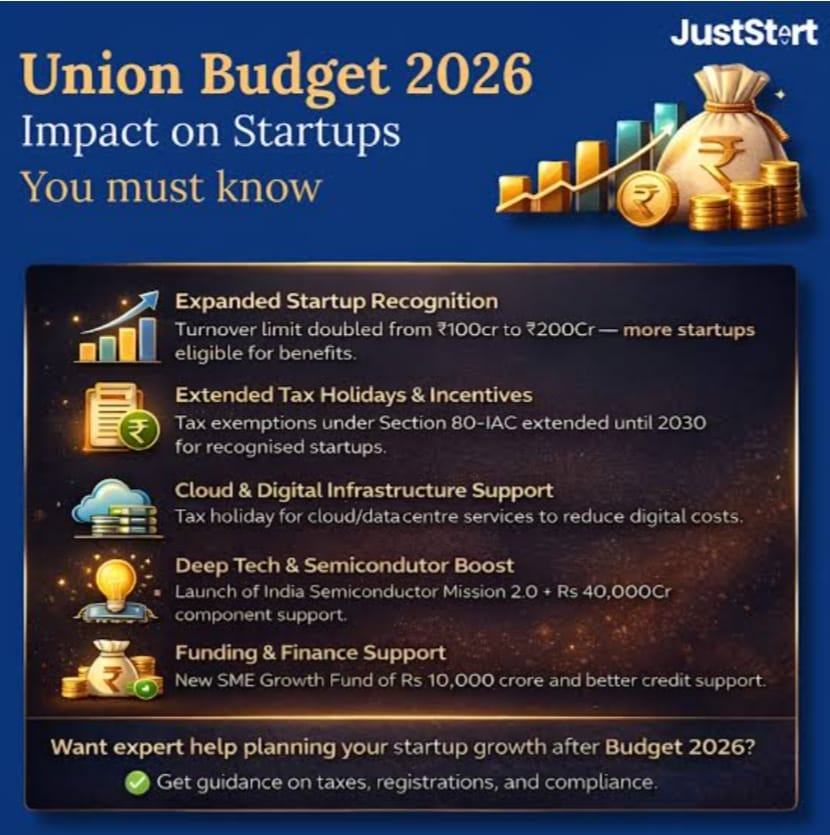
    The government has approved Startup India Fund of Funds 2.0 with a fresh corpus of ₹10,000 crore.

    This version prioritizes DeepTech, AI, and SpaceTech, aiming to reduce risks for investors in high-gestation sectors.

    • Impact: Increased domestic venture capital with government acting as an anchor investor.
    • Next Step: Founders should align their pitch decks with national priority sectors via Startup India.

    Tax Reforms and Startup Benefits

    The budget brings major clarity and incentives for startups under tax laws.

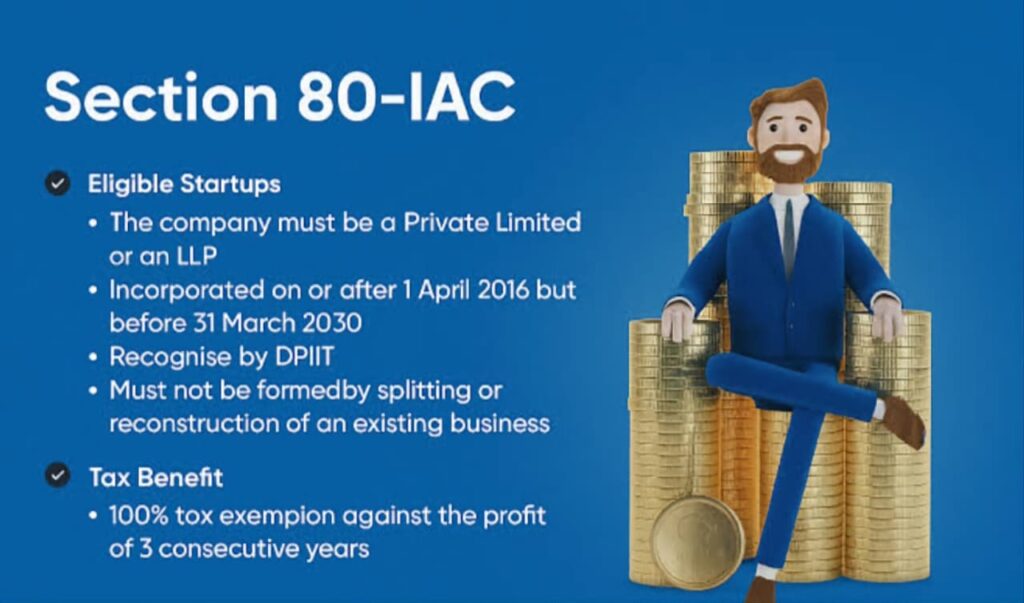
    Extension of Section 80-IAC Tax Holiday

    Startups incorporated until March 31, 2030 can claim 100% tax deduction for three consecutive years.

    The turnover eligibility limit has increased to ₹150 crore, allowing scaling startups to benefit longer.

    Check eligibility through Lawizer.

    New Income Tax Act (Effective April 1, 2026)

    • Share Buybacks: Now taxed as capital gains, improving employee and investor returns.
    • MAT Reduction: Lowered to 14%, allowing better reinvestment capacity.

    Safe Harbour for SaaS and ITeS

    A new Global SaaS Safe Harbour reduces transfer pricing disputes.

    • Threshold: Increased to ₹2,000 crore.
    • Benefit: Fixed 15.5% margin reduces litigation and encourages reverse flipping.

    This reform addresses long-standing concerns with the Income Tax Department.


    Growth of the Orange Economy (AVGC)

    The government has recognized the AVGC sector (Animation, VFX, Gaming, Comics) as a major growth engine.

    Plans include setting up creator labs in 15,000 schools to build a future-ready workforce.

    This creates opportunities for startups in EdTech, MediaTech, and Gaming via institutions like Indian Institute of Creative Technologies.


    DeepTech and Semiconductor Push

    The India Semiconductor Mission (ISM) 2.0 has been allocated ₹40,000 crore.

    • Data Centers: Tax holiday until 2047 for global cloud providers.
    • R&D Incentives: Reduced tax friction for research-driven startups.

    E-commerce Export Boost (D2C)

    The removal of the ₹10 lakh export cap simplifies global shipping for startups.

    D2C brands can now scale exports seamlessly via logistics partners.

    The ONDC network will enable global storefront access for Indian businesses.


    Simplified Export Returns and Compliance

    The government introduced a Digital Export Feedback Loop through the DGFT portal.

    This allows duty-free re-import of returned goods, protecting margins for exporters.


    Focus on AI Skills and Employability

    The budget shifts focus from job creation to skill development.

    A new committee aims to bridge gaps between education and employment in AI-driven industries.

    Support is enhanced through the Anusandhan National Research Foundation (ANRF).


    Ease of Doing Business Improvements

    The government has decriminalized minor compliance defaults to promote a trust-based system.

    • Tax Disputes: Pre-deposit reduced from 20% to 10%.
    • TReDS Mandate: Faster payments for startups via receivable discounting systems.

    Conclusion: Building for 2047

    The Union Budget 2026 integrates startups into India’s long-term economic infrastructure.

    Build for the world, solve for India, and growth will follow.

    By aligning with Viksit Bharat 2047, founders can unlock significant opportunities.


    Frequently Asked Questions

    What is the new Safe Harbour threshold for SaaS startups?

    A: The threshold has been increased to ₹2,000 crore, allowing companies to opt for a fixed 15.5% margin and avoid transfer pricing disputes.

    How does the cloud tax holiday work?

    A: Foreign cloud providers using Indian data centers get a tax holiday until 2047, with domestic compliance requirements.

    What are the benefits for D2C startups?

    A: Removal of export caps and simplified logistics enable easier global expansion via DGFT.

    What is the Orange Economy?

    A: It refers to AVGC sectors like animation, gaming, and media, now supported by government initiatives.

    How is the AI talent gap addressed?

    A: Through education reforms and a dedicated committee aligning curriculum with AI and deep-tech needs.

    Is there support for startup liquidity?

    A: Yes, TReDS ensures faster payments to startups, improving cash flow cycles.

  • Drafting Virtual Contracts: Legal Validity in the Indian Market (2026)

    Drafting Virtual Contracts: Legal Validity in the Indian Market (2026)

    Introduction

    In the rapid-fire world of the Indian startup ecosystem, the traditional “wet ink” signature is fast becoming a relic of the past. From SaaS subscriptions to high-stake founder agreements, the Virtual Contract is now the primary vehicle for commerce.

    However, as we move through 2026, a critical question remains: Is a digital agreement truly as enforceable as a paper one in an Indian court?

    The answer is a resounding yes, provided you navigate the specific intersection of the IT Act and the Indian Evidence Act correctly.


    The Legal Pillars: IT Act, 2000 and Beyond

    The bedrock of virtual contracting in India is the Information Technology Act, 2000. Section 10A of the Act specifically grants legal recognition to contracts formed through electronic means.

    What Constitutes a Valid Virtual Contract?

    Under Indian law, a contract is formed when an offer is made and accepted with lawful consideration. In the digital realm, this typically happens through:

    • Click-wrap Agreements: The ubiquitous “I Agree” checkboxes.
    • Browse-wrap Agreements: Terms linked at the footer of a website.

    • E-Signatures: Documents signed via Aadhaar-based eSign or digital signature certificates (DSC).

    The Admissibility of Electronic Records

    In 2026, judicial scrutiny of digital evidence is highly sophisticated. For a virtual contract to hold up during litigation, it must comply with Section 65B of the Indian Evidence Act, 1872 (now integrated into the Bharatiya Sakshya Adhiniyam).

    The Certificate Requirement

    To present a virtual contract as evidence, a business must produce a Section 65B Certificate. This document certifies the authenticity of the computer output and ensures the electronic record has not been tampered with.


    Pro Tip: Courts now demand “Audit Trails”—digital logs showing the exact timestamp, IP address, and device ID of the signer.


    The “Stamping” Hurdle: Can Digital Be Stamped?

    A common pitfall in drafting virtual contracts is the payment of Stamp Duty. Under the Indian Stamp Act, 1899, an unstamped contract is generally inadmissible in court.

    E-Stamping in 2026

    Most Indian states have now integrated e-Stamping services. For a virtual contract to be “bulletproof,” the digital document should be associated with an e-Stamp certificate. Failing to do this can lead to penalties—often up to 10 times the original stamp duty amount.


    Specific Exclusions: When Digital is Not Enough

    Despite the digital push, certain documents cannot be executed virtually in India:

    1. Negotiable Instruments: Such as Promissory Notes (excluding cheques).
    2. Power of Attorney: Generally requires physical execution.
    3. Trust Deeds and Wills: These necessitate physical “wet” signatures.
    4. Real Estate Transfers: Sale deeds still require physical registration at the Sub-Registrar’s Office.

    How Lawizer Secures Your Virtual Agreements

    Drafting a contract is only half the battle; ensuring its “evidentiary weight” is the other half. Lawizer, a premier legal-tech firm, transforms your digital workflow into a secure legal asset.

    Lawizer’s “Smart-Contract” Suite Offers

    • Automated Audit Trails: Captures comprehensive metadata for every signature, auto-generating required legal certificates.
    • Integrated E-Stamping: Seamlessly procure and attach e-Stamps within the platform.
    • Aadhaar e-Sign Integration: Uses the UIDAI framework for secure authentication.

    Make your digital agreements legally strong and court-ready with Lawizer.


    Conclusion: Designing for Defensibility

    In 2026, the validity of a virtual contract depends on the infrastructure behind it.

    By combining sound legal drafting with robust technical verification, businesses can significantly reduce litigation risk.

    Partnering with tech-legal platforms like Lawizer ensures your digital agreements are as enforceable as traditional contracts.


    Frequently Asked Questions

    Is an email exchange a valid contract in India?

    A: Yes, provided essential contract elements exist. However, proving identity is harder without formal e-signature tools.

    Are “I Agree” checkboxes legally binding?

    A: Yes, click-wrap agreements are valid if terms are clearly communicated.

    What is the difference between an E-signature and a Digital Signature?

    A: An E-signature is a broad category (like Aadhaar eSign), while a Digital Signature (DSC) is a secure, certificate-based signature issued by a Certifying Authority (CA).

  • What to Do If Your Cheque Bounces: Legal Steps Under Section 138 NI Act

    What to Do If Your Cheque Bounces: Legal Steps Under Section 138 NI Act

    Introduction

    Dealing with a bounced cheque can be a highly frustrating experience. Whether you are a business owner waiting on a critical client payment, a landlord collecting rent, or an individual expecting the repayment of a friendly loan, an unpaid cheque disrupts your cash flow and breaches your trust.

    However, Indian law provides a robust mechanism to protect payees and penalize defaulters.

    If you are wondering exactly what to do if your cheque bounces, the Negotiable Instruments (NI) Act, 1881, specifically Section 138, is your primary legal weapon.

    Navigating this process requires strict adherence to timelines and procedures.

    In this article, we will discuss everything related to cheque bounce cases and how Lawizer helps simplify this process, making it easier for you to draft your legal notice and take swift action.


    What is Cheque Dishonour and Why is it a Criminal Offence in India?

    A cheque is said to be “dishonoured” or “bounced” when a bank refuses to pay the amount mentioned on the cheque to the payee.

    The bank returns the cheque along with a “Cheque Return Memo” stating the specific reason for the bounce. Common reasons include:

    • Insufficient funds
    • Signature mismatch
    • Account closed
    • Payment stopped by the drawer

    Historically, cheque bounce cases were treated as civil disputes, leading to long delays in recovery.

    To address this, Section 138 of the Negotiable Instruments Act was introduced, making cheque dishonour a criminal offence under specific conditions.


    Why is Cheque Bounce a Criminal Offence?

    The objective behind criminalizing cheque bounce is to maintain trust in financial transactions and ensure smooth business operations.

    The law imposes strict liability, meaning the burden of proof lies on the drawer if the cheque bounces due to insufficient funds.

    This discourages misuse of cheques and ensures accountability in financial dealings.


    The 30-15-30 Rule You Must Follow

    Time is critical in cheque bounce cases. Missing deadlines can weaken your case significantly.

    1. 30-Day Notice Period

    You must send a legal notice within 30 days from receiving the cheque return memo.

    2. 15-Day Payment Window

    The drawer gets 15 days to make payment after receiving the notice.

    3. 30-Day Court Filing Window

    If payment is not made, you must file a case within 30 days after the 15-day period expires.


    Example Timeline

    • March 1: Return memo received
    • March 20: Legal notice sent
    • March 25: Notice received
    • April 9: Payment deadline ends
    • May 9: Last date to file case

    How to Draft a Legal Notice for Cheque Bounce

    A legal notice is the foundation of your case. Any error can weaken your claim.

    Key Elements to Include

    • Transaction details
    • Cheque details
    • Reason for dishonour
    • Demand for payment
    • Legal warning

    How to Send the Notice

    Always send the notice via Registered Post or Speed Post to ensure proof of delivery.


    Filing a Case Under Section 138

    If payment is not made, you can file a criminal complaint before the Magistrate.

    Jurisdiction

    The case must be filed where your bank branch is located.

    Required Documents

    • Original cheque
    • Cheque return memo
    • Legal notice copy
    • Proof of delivery
    • Supporting documents

    What Relief Can You Get?

    • Imprisonment: Up to 2 years
    • Fine: Up to twice the cheque amount
    • Interim Compensation: Up to 20% during trial

    Out-of-Court Settlement Options

    Cheque bounce cases can be settled outside court as they are compoundable offences.

    • Mediation and Lok Adalat settlements
    • Mutual agreement between parties
    • Payment with interest or legal costs

    How Lawizer Helps You

    Lawizer simplifies cheque bounce cases by connecting you with verified legal professionals.

    Why Choose Lawizer?

    • Expert legal notice drafting
    • Verified lawyers
    • End-to-end case support
    • Affordable pricing
    • Quick turnaround

    Take action today and recover your money faster.


    Conclusion

    A bounced cheque is not just an inconvenience—it is a serious financial issue.

    By following the legal process and acting within deadlines, you can effectively recover your money.

    Taking timely legal action ensures accountability and protects your financial interests.

    Take control of the situation and act swiftly with Lawizer.


    Frequently Asked Questions

    Is Lawizer a legit company?

    A: Yes, Lawizer is a legitimate legal-tech platform in India.

    Is Lawizer a law firm?

    A: No, it is a legal-tech platform connecting users with lawyers.

    Can I file a case if I miss the 30-day notice deadline?

    A: No, but you can still pursue a civil case for recovery.

    What if partial payment is made?

    A: You can proceed legally for the remaining amount.

    Will the bank take legal action for me?

    A: No, you must initiate legal proceedings yourself.

    Will the defaulter go to jail immediately?

    A: No, imprisonment happens only after trial and conviction.

  • Loan Agreement in India: Key Clauses Every Borrower Must Read Before Signing

    Loan Agreement in India: Key Clauses Every Borrower Must Read Before Signing

    Introduction

    Getting approved for a loan—whether it is for a new home, a car, or scaling your business—is an exciting milestone. However, the excitement often overshadows the most critical step of the process: reading the fine print.

    Borrowers in India frequently sign lengthy legal documents without reviewing them carefully, assuming they are standard non-negotiable templates. This can lead to serious financial and legal consequences later.

    Here is a comprehensive guide to understanding your loan agreement and the key clauses you must review before signing.


    Why a Loan Agreement is Legally Binding

    A loan agreement is not just a document issued by a bank—it is a legally binding contract governed by the Indian Contract Act, 1872.

    Once signed, it binds both the borrower and the lender. While you are obligated to repay the loan, the bank must also follow the agreed terms.

    This means lenders cannot arbitrarily change core conditions without adhering to the contract, giving you legal grounds to hold them accountable.


    Key Clauses You Must Always Read

    Do not let legal jargon overwhelm you. Focus on these critical clauses:

    • Interest Rate (Fixed vs Floating): Check whether your rate is fixed or fluctuates with market conditions and how often it resets.
    • Prepayment & Foreclosure Charges: Some banks charge penalties for early repayment, although RBI restricts this for certain loans.
    • Default Clause: Understand what qualifies as a default, including cross-default triggers linked to other loans.

    What is the MITC Document?

    The RBI requires lenders to provide a Most Important Terms and Conditions (MITC) document.

    This is a simplified summary of your loan’s key aspects such as interest rates, penalties, and charges.

    Always review the MITC carefully—it is designed for transparency and quick understanding.


    Hidden Charges You Must Watch Out For

    The advertised interest rate is not the only cost. Pay attention to:

    • Processing Fees: One-time non-refundable charges.
    • Penal Charges: Fees applied when you miss EMI payments.
    • Additional Costs: Legal, valuation, documentation, or insurance charges bundled into the loan.

    What Happens if You Default?

    If you default, the lender has legal remedies—but you also have rights:

    • SARFAESI Act: Banks can auction secured assets after proper notice.
    • Debt Recovery Tribunal (DRT): Handles large loan disputes where you can present your case.
    • Recovery Agent Rules: RBI prohibits harassment, abuse, or calls at odd hours.

    Can You Negotiate Loan Terms?

    Yes. A loan agreement is negotiable, especially if you have a strong credit profile.

    You may negotiate:

    • Lower interest margins
    • Processing fee waivers
    • Better prepayment terms

    Never hesitate to request changes before signing.


    How Does Lawizer Help You?

    Loan agreements are complex, and missing one clause can cost you significantly. Lawizer simplifies the process by providing expert legal assistance.

    Why Choose Lawizer?

    • Clause Analysis: Identifies hidden risks and unfair terms
    • Simple Explanation: Converts legal jargon into plain language
    • Negotiation Support: Helps you secure better terms
    • Legal Protection: Guidance against harassment or violations
    • Fully Online: Fast and affordable document review

    Protect your financial future before you sign.


    Frequently Asked Questions

    Can Lawizer help negotiate my loan agreement?

    A: Yes, Lawizer provides expert insights and actionable negotiation points.

    Is Lawizer a law firm?

    A: No, it is a legal-tech platform offering accessible legal solutions.

    What should I do if recovery agents harass me?

    A: File a complaint with the bank and escalate to RBI if needed.

    Can Lawizer help after signing the agreement?

    A: Yes, it can review active agreements and guide you on your rights.

  • How to Register a Copyright in India: Process, Cost, and What It Protects

    How to Register a Copyright in India: Process, Cost, and What It Protects

    Introduction

    Whether you are writing a novel, designing a logo, coding a new app, or producing music, your creative output is a valuable asset.

    In an age where digital theft and content scraping are rampant, protecting your intellectual property is no longer optional.

    Navigating intellectual property laws can feel intimidating, but understanding your rights is the first step to securing your work.

    Here is a complete guide on how to register a copyright in India, the costs involved, and the protections it guarantees and also how Lawizer can make the process easier.


    What is Copyright and What Types of Works are Automatically Protected?

    Copyright is a legal right granted to creators, giving them exclusive control over the use and distribution of their original work.

    Under the Indian Copyright Act, 1957, copyright is established automatically the moment an original work is created and fixed in a tangible medium.

    The law automatically protects:

    • Books, articles, and poems
    • Computer software and code
    • Paintings, photographs, and architectural designs
    • Musical compositions and song lyrics
    • Movies and audio recordings

    Why You Should Still Register Despite Automatic Protection

    If copyright is automatic, why go through the hassle of registering it? While you own the rights the moment you create the work, enforcing those rights without a certificate is difficult.

    Here is why registration is crucial:

    • Legal Evidence: A copyright certificate serves as prima facie evidence in court.
    • Statutory Damages: Easier to claim compensation in infringement cases.
    • Commercial Power: Required for licensing, selling, or transferring rights.

    Step-by-Step Copyright Registration Process

    Registering your work in India is done through the official government portal.

    1. Create an Account: Register on the portal.
    2. Fill Form XIV: Provide details of the work and author.
    3. Upload Work: Submit digital or physical copies.
    4. Pay Fees: Generate a diary number.
    5. Waiting Period: 30 days for objections.
    6. Examination: Review by authority.
    7. Registration: Certificate issued.

    Classes of Copyright Work

    Your work must fall under one of these categories:

    • Literary Works: Books, blogs, software.
    • Artistic Works: Logos, paintings, photographs.
    • Dramatic Works: Scripts and plays.
    • Musical Works: Compositions.
    • Sound Recordings: Audio tracks.
    • Cinematograph Films: Videos and films.

    Documents Required and Fees

    You will generally need:

    • Copies of the work
    • No Objection Certificate (if applicable)
    • Power of Attorney (if filed via agent)

    Government Fees

    • Literary/Artistic Works: ₹500
    • Logos (commercial use): ₹2,000
    • Films: ₹5,000
    • Sound Recordings: ₹2,000

    How Long Does Registration Take?

    The process typically takes 6 to 12 months due to the mandatory waiting period and examination process.


    Rights of a Copyright Owner

    As an owner, you get exclusive rights:

    • Reproduction: Make copies
    • Adaptation: Modify or translate
    • Communication: Share publicly
    • Moral Rights: Claim authorship and protect integrity

    How Lawizer Helps You

    The registration process can be complex. Lawizer simplifies it with expert assistance.

    Why Choose Lawizer?

    • End-to-End Filing
    • Document Preparation
    • Objection Handling
    • Status Tracking
    • Emergency Legal Support

    Protect your creative work with confidence.


    Conclusion

    Your creative work is valuable and deserves protection.

    While copyright exists automatically, registration strengthens your legal position and enables commercialization.

    With the right support, the process becomes simple and efficient.


    Frequently Asked Questions

    How long does copyright last in India?

    A: Lifetime of the author plus 60 years.

    Can I copyright an idea?

    A: No, only the expression of an idea is protected.

    What is Lawizer?

    A: Lawizer is a legal-tech platform simplifying legal services.

    Is Lawizer legitimate?

    A: Yes, it is a reliable platform.

    Is Lawizer a law firm?

    A: No, it is a legal-tech solution.

  • Non-disclosure agreement (NDA) India: When you need one and what to include

    Non-disclosure agreement (NDA) India: When you need one and what to include

    Introduction

    In today’s hyper-competitive business landscape, your ideas, data, and processes are your most valuable currency.

    Whether you are pitching a revolutionary app to an investor, hiring a new lead developer, or onboarding a manufacturing vendor, you have to share sensitive information to move forward.

    But how do you ensure the other party doesn’t steal your idea or leak your data to a competitor?

    This is where a Non-Disclosure Agreement (NDA) becomes your first line of defense.

    An NDA is a legally binding contract that establishes a confidential relationship between parties. It ensures that sensitive information shared for a specific purpose is not disclosed to unauthorized third parties.

    In this comprehensive guide, we will break down how NDAs work in India, when you need one, what clauses are non-negotiable, and how to enforce them if things go wrong. We will also see how Lawizer can help.


    What an NDA Protects and Its Legal Enforceability in India

    An NDA acts as a protective shield for anything that gives your business a competitive edge. This typically includes:

    • Trade Secrets: Algorithms, manufacturing processes, and formulas.
    • Business Information: Client lists, pricing strategies, financial records, and marketing plans.
    • Intellectual Property (IP): Unpublished patent applications, source code, and design prototypes.

    Is it legally enforceable in India? Yes. In India, NDAs are governed primarily by the Indian Contract Act, 1872.

    For an NDA to be valid, it must meet standard contract requirements: offer, acceptance, lawful object, consideration, and free consent.

    However, Section 27 restricts agreements that restrain trade or profession. Overly broad or unfair NDAs may be struck down.

    To be enforceable, confidentiality obligations must be reasonable in scope and duration.


    One-Way vs Mutual NDA

    1. One-Way (Unilateral) NDA

    Only one party shares confidential information.

    • Used for: Hiring employees, freelancers, consultants, or pitching ideas.

    2. Mutual (Bilateral) NDA

    Both parties share sensitive information.

    • Used for: Partnerships, joint ventures, mergers, and co-founder agreements.

    Key Clauses to Include in an NDA

    1. Definition of Confidential Information

    Clearly define what information is protected, such as source code, financial data, or client databases.

    2. Exclusions

    Specify what is not confidential:

    • Public domain information
    • Previously known information
    • Independently developed data
    • Legally required disclosures

    3. Duration

    Most NDAs last between 2 to 5 years. Perpetual clauses are usually not enforceable.

    4. Consequences of Breach

    Include rights to injunctions and monetary damages in case of violation.


    Common NDA Mistakes

    • Overly Broad Clauses: Makes agreement unenforceable.
    • No Stamp Duty: Must be executed on valid stamp paper.
    • Unclear Jurisdiction: Always define governing law and court location.

    Industries Where NDAs Are Essential

    • Tech & IT: Protect code and algorithms.
    • Healthcare: Secure patient and research data.
    • Manufacturing: Safeguard processes and designs.
    • Startups: Protect pitch decks and financial models.

    How to Enforce an NDA in India

    1. Gather Evidence: Document the breach.
    2. Send Legal Notice: Demand immediate action.
    3. Seek Injunction: Stop further disclosure.
    4. Claim Damages: Recover financial losses.

    Get a Custom NDA Drafted with Lawizer

    Using generic templates can expose your business to risks.

    Lawizer provides expert-drafted, customized NDAs tailored to Indian laws.

    Why Choose Lawizer?

    • India-Compliant Drafting
    • Customized Agreements
    • Strong Legal Protection
    • Fast Turnaround

    Protect your ideas before you share them.


    Conclusion

    An NDA is not just a formality—it is essential for protecting your business assets.

    Whether you are a startup or an established business, a well-drafted NDA ensures your confidential information remains secure.

    With proper legal support, you can collaborate and grow without fear.


    Frequently Asked Questions

    Is notarization mandatory for an NDA in India?

    A: No, but it must be executed on proper stamp paper.

    Can an NDA stop someone from joining a competitor?

    A: No, it only protects confidential information.

    Does an NDA cover verbal information?

    A: Yes, if documented later in writing.

    What is Lawizer?

    A: Lawizer is a legal-tech platform simplifying legal documentation.

    Is Lawizer legitimate?

    A: Yes, it is a trusted legal-tech solution.

    Is Lawizer a law firm?

    A: No, it is a legal-tech platform, not a law firm.

  • Employment Agreement in India: What Employers and Employees Must Know

    Employment Agreement in India: What Employers and Employees Must Know

    Introduction

    The foundation of any successful professional relationship is clarity. Whether you are a fast-growing startup bringing on your first hire or a seasoned professional evaluating a new job offer, the employment agreement is the most critical document you will handle.

    It dictates not just what you do and how much you get paid, but also your rights, obligations, and protections under Indian labour laws.

    A poorly drafted employment contract can lead to costly legal disputes, unprotected intellectual property, or unfair working conditions.

    In this comprehensive guide, we will break down everything both employers and employees need to know about employment agreements in India, including the legality of restrictive clauses, IP ownership, and how to ensure your contracts are airtight.

    We shall also discuss about Lawizer, a legal-tech platform that simplifies this process through expert legal support and technology-driven solutions.


    Is a Written Employment Agreement Legally Mandatory in India?

    Under the Indian Contract Act, 1872, a contract can technically be oral or written. However, in employment, an oral agreement is highly risky and practically unenforceable.

    Various state-specific Shops and Establishments Acts require employers to provide a formal appointment letter or written contract to employees.

    Therefore, despite central law allowing oral agreements, a written employment contract is essential for compliance, clarity, and legal protection.


    Essential Clauses Every Employment Agreement Needs

    A well-drafted employment agreement must clearly define all key terms to avoid disputes.

    • Designation and Scope of Work: Defines job role, reporting structure, and responsibilities.
    • Compensation and CTC Breakdown: Includes salary structure, allowances, deductions, and bonuses.
    • Probation Period: Typically 3–6 months with different notice terms.
    • Notice Period and Termination: Specifies exit terms and grounds for termination.
    • Leave Policy: Covers earned, sick, and casual leaves as per state laws.

    Restrictive Clauses: Non-Compete and Non-Solicitation

    Restrictive clauses protect business interests but must comply with Indian law.

    • Non-Compete Clauses: Post-employment non-competes are generally unenforceable under Section 27 of the Indian Contract Act. However, restrictions during employment are valid.
    • Non-Solicitation Clauses: Prevent employees from poaching clients or staff and are enforceable if reasonable.

    ESOP Provisions and Vesting Schedules

    Employee Stock Option Plans (ESOPs) are common in startups and must be clearly defined.

    • Grant: Number of options offered.
    • Vesting Schedule: Typically includes a 1-year cliff followed by phased vesting.
    • Exercise Price: Cost to convert options into shares.
    • Exit Conditions: Treatment of options on resignation or termination.

    IP Ownership and Moonlighting Rules

    Intellectual Property (IP)

    Employment contracts must include a Work for Hire and IP assignment clause to ensure all work created belongs to the employer.

    Moonlighting

    Dual employment is restricted under several Indian laws. Employers should include an Exclusivity Clause to prevent unauthorized secondary work.


    What Employees Must Check Before Signing

    1. Notice Period Symmetry: Ensure fairness for both parties.
    2. Hidden Salary Conditions: Verify bonus and performance-linked pay.
    3. Bond Clauses: Check for repayment obligations and ensure reasonableness.

    Draft Compliant Employment Agreements with Lawizer

    Using generic templates can lead to legal risks and unenforceable clauses.

    Lawizer helps businesses create legally compliant and customized employment agreements.

    Why Choose Lawizer?

    • State-Specific Compliance
    • Industry-Based Customization
    • Legally Enforceable Clauses
    • Fast Turnaround
    • Emergency Legal Support
    • Free Consultation
    • Transparent Pricing

    Secure your workforce with legally sound employment agreements today.


    Conclusion

    An employment agreement is the legal foundation of any professional relationship.

    For employers, it safeguards business interests and intellectual property. For employees, it ensures clarity, rights, and job security.

    With proper legal drafting and expert guidance, both parties can avoid disputes and build a transparent working relationship.


    Frequently Asked Questions

    Can an employer terminate an employee without notice?

    A: Yes, but only in cases of serious misconduct. Otherwise, notice or payment in lieu is required.

    Are employment bonds valid in India?

    A: They are enforceable only if reasonable and backed by actual training costs.

    What if I refuse to sign an employment agreement?

    A: Employers may withdraw the offer or initiate termination if terms are not accepted.

    Are digital signatures valid?

    A: Yes, under the Information Technology Act, 2000.

    Can employers change contract terms unilaterally?

    A: No, changes require mutual consent.

    What is Lawizer?

    A: Lawizer is a legal-tech platform that simplifies legal documentation and assistance.

    Is Lawizer legitimate?

    A: Yes, it is a reliable and technology-driven legal platform.

    Is Lawizer a law firm?

    A: No, it is a legal-tech platform, not a traditional law firm.