
Tag: itr

  • Common Mistakes to Avoid While Filing ITR for Salaried Employees in 2026

    Common Mistakes to Avoid While Filing ITR for Salaried Employees in 2026

    Introduction

    Filing an Income Tax Return (ITR) as a salaried employee often feels like navigating a bureaucratic maze. In 2026, the Income Tax Department has shifted toward advanced AI-driven data processing.

    This means even a minor clerical error can trigger an automatic tax notice.

    While technology has increased scrutiny, legal-tech platforms like Lawizer have made the process seamless. By connecting you with verified experts, Lawizer ensures your filing is stress-free and accurate.


    10 Common ITR Filing Mistakes You Must Avoid
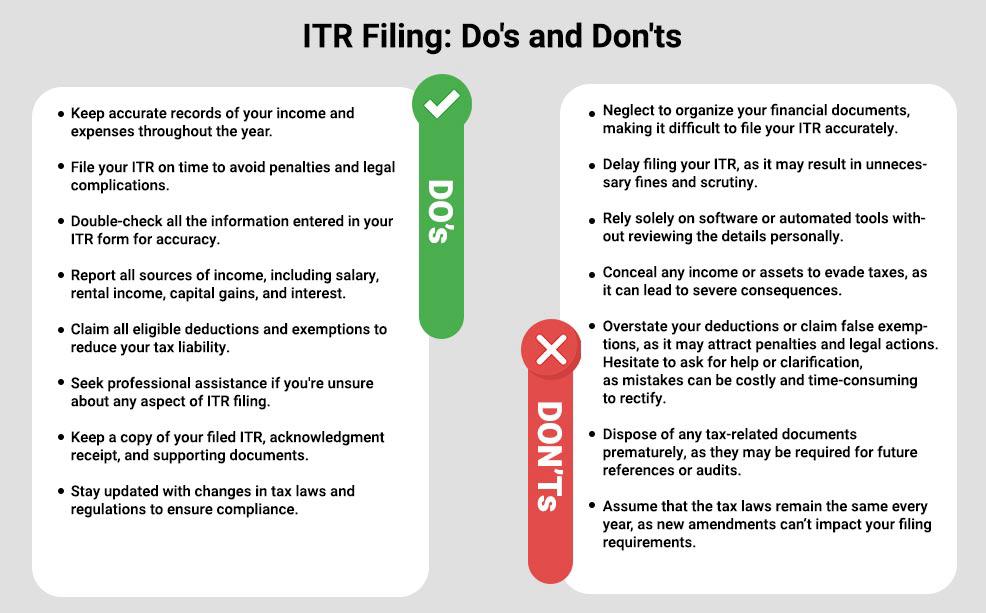
    To ensure a smooth filing season, keep an eye out for these frequent pitfalls:

    1. Selecting the Wrong ITR Form

    Choosing the incorrect form results in a “Defective Return” notice.

    • ITR-1 (Sahaj): For individuals with income up to ₹50 lakhs and one house property.
    • ITR-2: For those with capital gains, multiple house properties, or income exceeding ₹50 lakhs.
    • ITR-3: For individuals with business or professional income.

    2. Quoting the Wrong Assessment Year (AY)

    For the current Financial Year (FY 2025-26), the corresponding Assessment Year is 2026-27. Confusing these dates can lead to double taxation or immediate rejection.

    3. Errors in Personal and Bank Information

    Your bank account must be pre-validated on the portal. Ensure your name and address match your PAN exactly. An incorrect IFSC code can stall your refund for months.

    4. Failure to Disclose “Hidden” Income Sources

    Don’t forget to report:

    • Savings Interest: Deductible up to ₹10,000 under Sec 80TTA.
    • Dividends: Often overlooked but taxable.
    • Minor’s Income: Deductible up to ₹1,250 per child (up to 2 children).

    5. Manual Entry and Formatting Errors

    Data must match your employer’s TDS filing perfectly. Inconsistent formatting often leads to automated system rejections.

    6. Ignoring AIS and TIS Reconciliations

    The Annual Information Statement (AIS) tracks stock trades, FD interest, and large credit card spends. If your ITR doesn’t match your Taxpayer Information Summary (TIS), an inquiry is almost certain.

    7. Mismatching TDS with Form 26AS

    Always verify that the tax deducted by your employer or bank is reflected in Form 26AS. If it isn’t, you won’t receive credit for that tax, resulting in a higher payout.

    8. Forgetting Section 80 Deductions

    Look beyond Section 80C. You can also claim:

  • HOW TO FILE ITR-1 SAHAJ ONLINE (AY 2026 – 27) : A STEP -BY – STEP GUIDE FOR SALARIED EMPLOYEE

    HOW TO FILE ITR-1 SAHAJ ONLINE (AY 2026 – 27) : A STEP -BY – STEP GUIDE FOR SALARIED EMPLOYEE

    This blog will focus upon how to File ITR-1 online, What are the ITR-1 Sahaj step by step, Income Tax Return for the Salaried, ITR-1 eligibility, Old vs New Tax Regime of 2026.


    Introduction

    An ITR stands for Income Tax Return which is a form that a person or individual submits to the Income Tax Department of India to file the necessary financial documents needed for the income and tax payable during the respective year.

    The time required to file an ITR should be applicable between 1st April to 31st March of the next year.

    The source of income could be from profit of a business, dividends or capital gains. It carries out the forward loss and ask for the return from the income tax department.


    How To File ITR-1 Online?

    • STEP 1: The filing of ITR-1 form is done through the e-Filing Portal or by through the accessibility of html utility.
    • STEP 2: The registered user on the e-Filing Portal must login with the help of their valid user ID and password, their PAN card must be active.
    • STEP 3: The PAN and ADHAAR CARD must be linked.
    • STEP 4: Only the residential can file the ITR-1 whose income does not exceed Rs 50 lakh during the financial year.
    • STEP 5: Atleast one bank account must be pre-validated for receiving refunds.
    • STEP 6: The form includes 5 main pre-filled sections and the taxpayers must verify each steps before submissions. The steps includes personal informational, tax paid, total deductions, total tax liability.

    Eligibility Criteria Of ITR-1

    • Resident individual who have income from salary.
    • This includes one house property, interest or dividends, from agriculture income.
    • Income from other sources (excluding winnings, lottery and income from race horses from lottery taxable under sec 115BBDA).
    • Long term capital gains under section 112A up to Rs 1.25.

    Old vs New Tax Regimes 2026

    There have been numerous deductions and exemption been allotted in these regimes as given below:

    Old Tax Regimes

    1. It is been allotted to the House Rent allowances for the exemption available only on rent paid.
    2. Deduction on Rs 2 lakh on the loan interest on self – occupied property.
    3. Deduction on Rs 1.5 for investment under section 80C.
    4. Deductions for health insurance premium that are under section 80D.
    5. Deduction is allotted on education loans.

    New Tax Regimes

    1. The slab rates have been lowered.
    2. Rs 75000 have been the standard deduction amount for the salaried persons.
    3. It does not allow popular deduction under Section 80C.
    4. Tax free income up to Rs 12 lakh.

    Conclusion

    The main aspect of both the tax regime is totally dependent upon the individual person income structure. The income tax department had made both regime so that it can be helpful towards to the younger, professional and elderly people too.

    Filing your taxes as a salaried employee should be straightforward, but missing deductions can cost you money. Lawizer ensures your ITR-1 is filed accurately, claiming every benefit you are entitled to while keeping you fully compliant with the latest tax rules.


    File ITR-1 Now with Lawizer.


    Frequently Asked Questions

    How to choose which tax regimes for filing?

    For 2025-26 one can choose the old tax regime for filing an ITR whereas for new tax regime one has to file a form 10IEA within the due date for filing an ITR.

    Is the standard deduction allowed in the new tax regime?

    Yes, as per the new tax regime the standard deduction is Rs 75000.


    Sources