Tag: legaltech

  • Employment Agreement in India: What Employers and Employees Must Know

    Employment Agreement in India: What Employers and Employees Must Know

    Introduction

    The foundation of any successful professional relationship is clarity. Whether you are a fast-growing startup bringing on your first hire or a seasoned professional evaluating a new job offer, the employment agreement is the most critical document you will handle.

    It dictates not just what you do and how much you get paid, but also your rights, obligations, and protections under Indian labour laws.

    A poorly drafted employment contract can lead to costly legal disputes, unprotected intellectual property, or unfair working conditions.

    In this comprehensive guide, we will break down everything both employers and employees need to know about employment agreements in India, including the legality of restrictive clauses, IP ownership, and how to ensure your contracts are airtight.

    We shall also discuss about Lawizer, a legal-tech platform that simplifies this process through expert legal support and technology-driven solutions.


    Is a Written Employment Agreement Legally Mandatory in India?

    Under the Indian Contract Act, 1872, a contract can technically be oral or written. However, in employment, an oral agreement is highly risky and practically unenforceable.

    Various state-specific Shops and Establishments Acts require employers to provide a formal appointment letter or written contract to employees.

    Therefore, despite central law allowing oral agreements, a written employment contract is essential for compliance, clarity, and legal protection.


    Essential Clauses Every Employment Agreement Needs

    A well-drafted employment agreement must clearly define all key terms to avoid disputes.

    • Designation and Scope of Work: Defines job role, reporting structure, and responsibilities.
    • Compensation and CTC Breakdown: Includes salary structure, allowances, deductions, and bonuses.
    • Probation Period: Typically 3–6 months with different notice terms.
    • Notice Period and Termination: Specifies exit terms and grounds for termination.
    • Leave Policy: Covers earned, sick, and casual leaves as per state laws.

    Restrictive Clauses: Non-Compete and Non-Solicitation

    Restrictive clauses protect business interests but must comply with Indian law.

    • Non-Compete Clauses: Post-employment non-competes are generally unenforceable under Section 27 of the Indian Contract Act. However, restrictions during employment are valid.
    • Non-Solicitation Clauses: Prevent employees from poaching clients or staff and are enforceable if reasonable.

    ESOP Provisions and Vesting Schedules

    Employee Stock Option Plans (ESOPs) are common in startups and must be clearly defined.

    • Grant: Number of options offered.
    • Vesting Schedule: Typically includes a 1-year cliff followed by phased vesting.
    • Exercise Price: Cost to convert options into shares.
    • Exit Conditions: Treatment of options on resignation or termination.

    IP Ownership and Moonlighting Rules

    Intellectual Property (IP)

    Employment contracts must include a Work for Hire and IP assignment clause to ensure all work created belongs to the employer.

    Moonlighting

    Dual employment is restricted under several Indian laws. Employers should include an Exclusivity Clause to prevent unauthorized secondary work.


    What Employees Must Check Before Signing

    1. Notice Period Symmetry: Ensure fairness for both parties.
    2. Hidden Salary Conditions: Verify bonus and performance-linked pay.
    3. Bond Clauses: Check for repayment obligations and ensure reasonableness.

    Draft Compliant Employment Agreements with Lawizer

    Using generic templates can lead to legal risks and unenforceable clauses.

    Lawizer helps businesses create legally compliant and customized employment agreements.

    Why Choose Lawizer?

    • State-Specific Compliance
    • Industry-Based Customization
    • Legally Enforceable Clauses
    • Fast Turnaround
    • Emergency Legal Support
    • Free Consultation
    • Transparent Pricing

    Secure your workforce with legally sound employment agreements today.


    Conclusion

    An employment agreement is the legal foundation of any professional relationship.

    For employers, it safeguards business interests and intellectual property. For employees, it ensures clarity, rights, and job security.

    With proper legal drafting and expert guidance, both parties can avoid disputes and build a transparent working relationship.


    Frequently Asked Questions

    Can an employer terminate an employee without notice?

    A: Yes, but only in cases of serious misconduct. Otherwise, notice or payment in lieu is required.

    Are employment bonds valid in India?

    A: They are enforceable only if reasonable and backed by actual training costs.

    What if I refuse to sign an employment agreement?

    A: Employers may withdraw the offer or initiate termination if terms are not accepted.

    Are digital signatures valid?

    A: Yes, under the Information Technology Act, 2000.

    Can employers change contract terms unilaterally?

    A: No, changes require mutual consent.

    What is Lawizer?

    A: Lawizer is a legal-tech platform that simplifies legal documentation and assistance.

    Is Lawizer legitimate?

    A: Yes, it is a reliable and technology-driven legal platform.

    Is Lawizer a law firm?

    A: No, it is a legal-tech platform, not a traditional law firm.

  • Gift Deed vs Will: Which is Better to Transfer Property to Family in India?

    Gift Deed vs Will: Which is Better to Transfer Property to Family in India?

    Introduction

    Deciding how to pass on your hard-earned property to your loved ones is a significant milestone. In India, property transfers within a family usually come down to two primary legal instruments: a Gift Deed or a Will.

    Both methods achieve the ultimate goal of transferring ownership, but they operate on entirely different timelines, carry distinct financial implications, and offer varying levels of protection against future family disputes.

    Choosing the wrong instrument can lead to unnecessary tax burdens, exorbitant stamp duties, or bitter legal battles for your heirs.

    In this comprehensive guide, we will break down the legal mechanics of Gift Deeds and Wills, compare their tax implications, and help you determine which option is the safest and most efficient for your specific situation.

    We shall also see how Lawizer, a legal-tech platform helps with the drafting of a gift deed or a will.


    What is a Gift Deed and How is it Executed?

    A Gift Deed is a legally binding document used to voluntarily transfer the ownership of a property from the owner (the donor) to another person (the done) without any financial exchange or consideration.

    Under the Transfer of Property Act, 1882, for a gift of immovable property to be legally valid, it must meet specific execution requirements:

    • Immediate Transfer: The transfer happens immediately during the lifetime of the donor.
    • Acceptance: The donee must accept the gift during the donor’s lifetime. If the done dies before accepting, the gift is void.
    • Registration is Mandatory: The gift deed must be signed, attested by two witnesses, and registered with the Sub-Registrar.
    • Irrevocability: Once registered and accepted, it is generally irrevocable.

    What is a Will and When Does it Come into Effect?

    A Will is a testamentary document that declares a person’s intention regarding the distribution of their assets after their death.

    Governed primarily by the Indian Succession Act, 1925, a Will differs significantly from a Gift Deed:

    • Takes Effect After Death: Beneficiaries receive rights only after the testator passes away.
    • Revocable: Can be modified or revoked anytime during lifetime.
    • Registration Optional: Not mandatory but recommended for authenticity.

    Key Differences: At a Glance

    Feature Gift Deed Will
    Time of Transfer Immediate After death
    Revocability Irrevocable Revocable anytime
    Registration Mandatory Optional
    Stamp Duty Applicable None
    Governing Law Transfer of Property Act Indian Succession Act

    Tax Implications of Each Method

    Income Tax and Capital Gains

    Under Section 56(2)(x) of the Income Tax Act, gifts received from specified relatives are exempt from tax.

    Gifts to non-relatives exceeding ₹50,000 are taxable.

    Inheritance through a Will is completely tax-free.

    Capital gains tax applies only when the recipient sells the property later.


    Stamp Duty

    Property transfer via a Will attracts zero stamp duty.

    A Gift Deed requires stamp duty (typically 2%–7%), depending on the state.


    Which is Safer from Legal Challenges?

    A Gift Deed is safer because it is executed and registered during the owner’s lifetime.

    A Will is more prone to disputes and can be challenged on grounds such as:

    • Unsound mind
    • Forgery
    • Coercion
    • Multiple Wills

    In cities like Mumbai, Kolkata, and Chennai, probate may also be required.


    When to Choose Gift Deed vs Will

    When a Gift Deed is Better:

    • Avoid disputes
    • Immediate transfer
    • No probate required
    • Financial security for family

    When a Will is Better:

    • Retain ownership during lifetime
    • Avoid stamp duty
    • Flexibility to change decisions
    • Distribute multiple assets

    Execute a Gift Deed or Draft a Will with Lawizer

    Property transfers require precise legal drafting.

    Lawizer ensures legally compliant, customized, and secure documentation.

    • Accurate Drafting
    • Personalized Advice
    • End-to-End Support
    • Legal Compliance
    • 24/7 Assistance

    Conclusion

    Both a Gift Deed and a Will are effective tools for property transfer.

    A Gift Deed ensures immediate, dispute-free transfer, while a Will offers flexibility and cost savings.

    Choosing the right option depends on your financial goals and family situation.


    Frequently Asked Questions

    Can a registered Gift Deed be cancelled?

    A: Generally no. It can only be cancelled in cases of fraud, coercion, or mutual agreement.

    Is it mandatory to register a Will in India?

    A: No, but registration is recommended for authenticity.

    Who pays stamp duty on a Gift Deed?

    A: Usually the recipient, unless agreed otherwise.

    Can I gift property to a non-relative?

    A: Yes, but it may attract tax.

    Do I need probate for a Will?

    A: Mandatory in Mumbai, Kolkata, Chennai; optional elsewhere.

    Is Lawizer a law firm?

    A: No, it is a legal-tech platform.

    Who is behind Lawizer?

    A: Lawizer is an initiative of Zeptus Pvt Ltd.

  • Your Tenant Won’t Leave. Now What? | Lawizer Blog

    Your Tenant Won’t Leave. Now What? | Lawizer Blog

    Free legal consultation for new clients  ·  Book yours at lawizer.com →Lawizer

    Free Consultation

    Property Law · India

    Your Tenant Won’t Leave.
    Now What?

    A no-jargon guide for Indian landlords dealing with non-paying or non-vacating tenants — and how to resolve it legally, quickly, and without a single court visit.

    By Lawizer Legal Team|8 min read|PropertyTenant Disputes

    “My tenant stopped paying rent and I didn’t know I had this much legal power. Lawizer sent the notice, and the tenant vacated within a week.”

    — Rajesh K., Noida — Lawizer Client

    7 days

    Average time to tenant response after a legal notice

    ₹0

    Cost of your first consultation with a Lawizer attorney

    100%

    Handled online — no court visits required at the notice stage

    The Situation No Landlord Expects:

    You trusted someone with your property. You signed a rent agreement. And now — they’ve stopped paying, stopped responding, or flatly refused to leave when the agreement expired. You’re owed money. Your property is stuck. And every time you think about going to court, you imagine years of hearings, lawyer fees, and exhausting paperwork.

    Here’s what most landlords in India don’t realize: you have far more power than you think, and most tenant disputes are resolved long before they reach a courtroom.

    This guide walks you through exactly what to do — step by step — from the moment you realize there’s a problem.

    “A well-drafted legal notice resolves more tenant disputes than all the court orders combined.”

    First, Know Where You Stand Legally:

    India doesn’t have a single national tenancy law. Depending on your state, your rights as a landlord are governed by one of these frameworks:

    Applicable Laws by State Type

    • States with Rent Control Acts (Delhi, Maharashtra, West Bengal, Tamil Nadu) — stronger tenant protections, specific eviction grounds required
    • States with new Model Tenancy Act alignment — more balanced landlord-tenant framework
    • Agreements registered under Transfer of Property Act, 1882 — contracts with teeth regardless of state-level rent control

    The most important document you have is your registered rent agreement. If it’s properly registered and clearly states the tenancy period, rent amount, and vacating clause — you’re in a strong position. If your agreement is unregistered or expired, don’t panic. You still have options, but timing matters.

    Your 5-Step Action Plan:

    01

    Document Everything Right Now

    Collect all rent receipts, bank transfer records, WhatsApp messages, and the signed agreement. Screenshot every message where you requested payment or vacation. This paper trail becomes your case.

    02

    Send a Formal Legal Notice

    This is the single most effective step. A legal notice sent by a lawyer via registered post carries serious weight. It signals you’re serious, creates a legal record, and gives the tenant a deadline to respond. Many disputes end here.

    03

    Negotiate a Settlement

    If the tenant responds, there’s often room to negotiate a departure timeline or partial payment. A structured exit — even if imperfect — is faster than litigation. Have a lawyer supervise any written agreement.

    04

    File an Eviction Case if Required

    Under the Transfer of Property Act Sec. 106 and your state’s Rent Control Act, you can file for eviction citing non-payment, misuse of property, or expiry of tenancy. Summary proceedings under CPC Order 37 allow faster recovery of dues.

    05

    Recover Unpaid Rent

    Rent recovery is a civil suit. Once you have a decree, the tenant’s movable assets or bank accounts can be attached. Combined with the eviction proceeding, most lawyers structure this as a single coordinated filing.

    Landlords underestimate the psychological and legal power of a formal notice. Here’s what it actually does:

    It creates a legal record. The moment your lawyer sends a registered notice, the clock starts. Any court proceeding later will note when you first formally demanded rent or vacation — this date matters for calculating dues and establishing bad faith on the tenant’s part.

    It triggers the response deadline. Under the Transfer of Property Act Sec. 106, tenants on a monthly lease must receive 15 days’ notice for termination. A formal notice starts this clock precisely.

    It moves the dispute out of the informal zone. Verbal requests, WhatsApp pleas, and in-person conversations carry no legal weight. A lawyer’s notice changes the entire dynamic — tenants who ignored you for months often respond within days.

    Lawizer Can Help

    Get a Legal Notice Drafted & Sent Today

    Our property lawyers review your agreement, draft a watertight notice, and send it via registered post — completely online. No office visit required. Consult a Property Lawyer Free →

    The 4 Mistakes Landlords Make (That Hurt Their Case)

    1. Cutting off electricity or water

    This feels satisfying. It is illegal. Courts treat it as coercion, and it can turn the landlord into the defendant. Do not do this under any circumstances.

    2. Accepting rent after the agreement expires

    If you accept even one month’s rent after the lease ends without a renewal, you may have legally created a periodic tenancy — and reset your eviction clock. Talk to a lawyer before accepting any post-agreement payments.

    3. Entering the property without notice

    Even as the owner, entering the tenant’s premises without advance notice (typically 24 hours) can constitute trespass. Document any entry attempts in writing.

    4. Waiting too long to act

    Every month of unpaid rent is a month of recoverable dues — but courts also look at whether you acted promptly. A six-month delay weakens your position. If the tenant hasn’t paid, issue a notice within 30 days of the first missed payment.

    Common Questions Landlords Ask Us:

    My rent agreement isn’t registered. Do I still have rights?

    Yes. An unregistered agreement is still evidence of the tenancy arrangement. However, it cannot be produced in court as primary evidence in the same way a registered document can. That said, bank records and messages corroborating rent payment can supplement the claim. Consult a lawyer to assess your specific situation.

    Can I ask the police to remove a tenant?

    In most cases, no. Tenancy disputes are civil matters. Police will not forcibly remove a tenant without a court order. However, if the tenant has physically threatened you or caused damage to property, an FIR and relevant IPC provisions may apply.

    How long does an eviction case actually take?

    It varies by state and court load. In Rent Control Tribunals (common in metro cities), cases can stretch from 6 months to several years. However, most disputes that begin with a proper legal notice are settled before a final order — which is exactly why that first step is so critical.

    What if the tenant just refuses to open the door?

    Once you have a court order for eviction, a court commissioner — accompanied by the local police — can enforce it. But you need the order first. The process is: notice → no compliance → court filing → order → enforcement.

    The landlord who documents everything and acts quickly wins. The one who waits six months hoping things resolve themselves — rarely does.

    The Bottom Line:

    A difficult tenant is stressful. But it’s a legal problem with a legal solution — and you don’t have to figure it out alone.

    Start with a free consultation. Have a lawyer look at your agreement and your situation. In most cases, a single strong legal notice is all it takes.

    Lawizer’s property lawyers have handled hundreds of landlord-tenant disputes across India — completely online, at transparent fees, with no surprise charges.

    If your tenant has stopped paying or won’t leave, the best time to act was last month. The second best time is today.

    In This Article

    1. 01 The situation no landlord expects
    2. 02 Know where you stand legally
    3. 03 Your 5-step action plan
    4. 04 The power of a legal notice
    5. 05 4 mistakes to avoid
    6. 06 Common questions answered
    7. 07 The bottom line

    Facing a tenant dispute right now?

    Talk to a Lawizer property lawyer free. We’ll tell you exactly where you stand in 30 minutes.Book Free Consultation

    Related Property Services

    More from the Lawizer Blog

    Startup Law Registering Your Company in India: The 7 Things No One Tells You Banking Cheque Bounce Under Section 138: Your Complete Legal Guide Tax ITR Filing Deadline 2025: Penalties, Extensions, and What to Do If You Missed It © 2026 Lawizer. All rights reserved.  ·  Privacy Policy  ·  Terms of Service  ·  +91 90628 15535

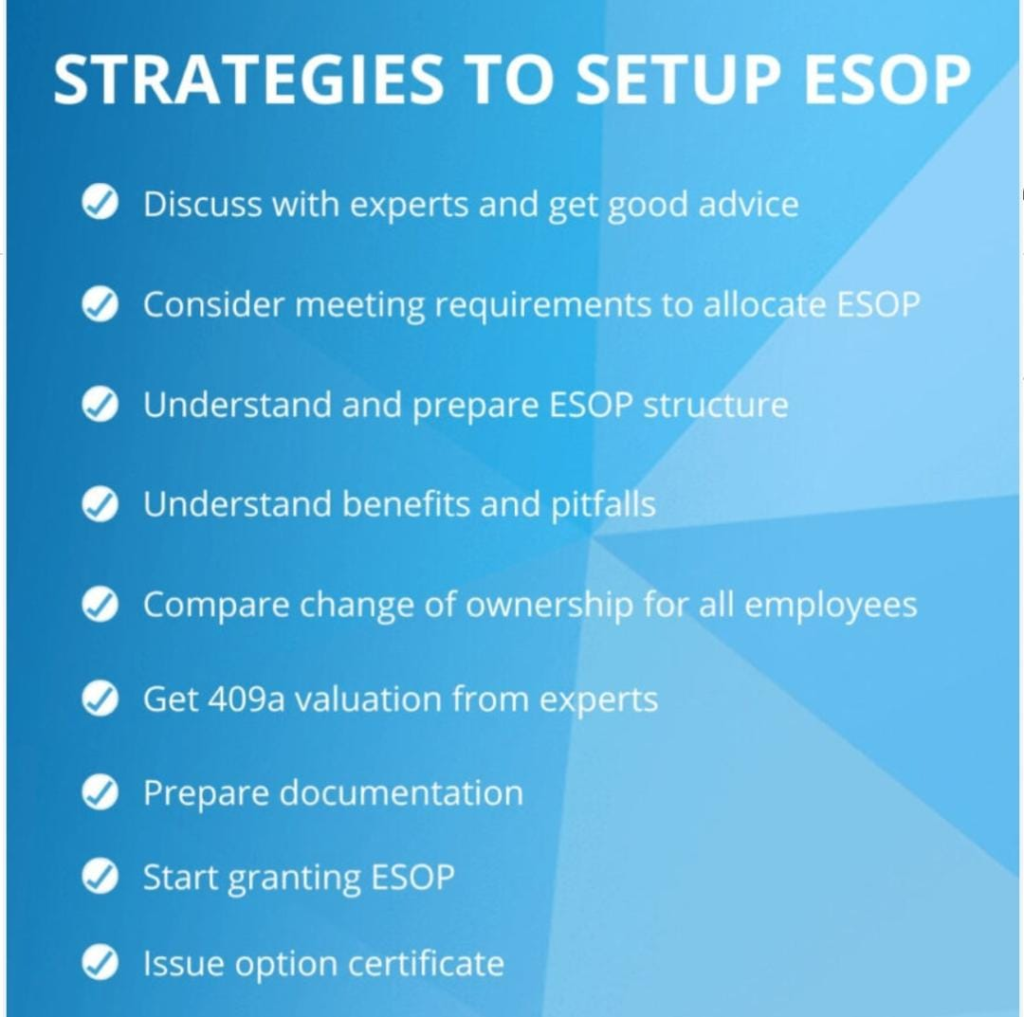
  • ESOP Management 101: How to Retain Top Talent for Your Startup

    ESOP Management 101: How to Retain Top Talent for Your Startup

    Introduction

    Building a startup is very challenging and Building a great team is even more challenging.

    In the early days, one might not have the money to offer high salaries like big companies. Yet, you still need smart, dedicated people who believe in your vision. This is where ESOPs come in.

    If you are a startup founder in India, understanding ESOP management is not optional anymore. It is one of the smartest ways to retain top talent and build long-term loyalty.


    What Is an ESOP?

    ESOP stands for Employee Stock Ownership Plan (or Employee Stock Option Plan).

    In simple words, an ESOP gives employees the right to buy shares of the company at a fixed price in the future. If the company grows and its valuation increases, those shares become valuable.

    Instead of only paying salary, you give employees a chance to become part-owners. It changes their mindset from: “I work here.” to “I am building this.”


    Why ESOP Management Matters for Startups?

    Startups are risky. Employees know that. When they join a startup, they are taking a leap of faith.

    Good ESOP management helps in:

    • Attracting strong talent
    • Retaining key employees
    • Aligning employee goals with company growth
    • Reducing attrition
    • Building a performance-driven culture

    Many startups registered under Startup India use ESOPs as a strategic tool to compete with larger corporations.

    In cities like Bengaluru, Mumbai, and Hyderabad, ESOPs have become almost standard practice in the startup ecosystem.


    How ESOPs Help Retain Top Talent?

    1. They Create Long-Term Commitment

    ESOPs usually come with a vesting schedule. This means employees earn their shares gradually over time. For example:

    • 4-year vesting period
    • 1-year cliff (no shares if they leave before 1 year)

    This structure encourages employees to stay longer. If they leave early, they lose unvested shares. This naturally improves retention.

    2. They Align Interests

    When employees own shares, they think differently. They care about:

    • Company valuation
    • Profitability
    • Customer satisfaction
    • Cost control

    Their success becomes directly linked to the company’s success. That alignment is powerful.

    3. They Build an Ownership Culture

    Top talent doesn’t just want a salary. They want impact. They want recognition. They want to feel important.

    ESOPs send a strong message: “You are not just an employee. You are a partner in growth.”

    That emotional connection builds loyalty.


    Common ESOP Mistakes Startups Make

    Even though ESOPs are powerful, poor ESOP management can create confusion and dissatisfaction. Here are common mistakes:

    1. No Clear Communication

    Many founders say, “You will get ESOPs,” but never explain:

    • How many shares?
    • What percentage?
    • What is the strike price?
    • When can they sell?

    Employees may not understand the real value. Transparency is key.

    2. Overpromising Valuation

    Telling employees, “These shares will be worth crores one day,” creates unrealistic expectations.

    Startup growth is uncertain. Be honest about risks.

    3. No Legal Structure

    In India, ESOPs must follow Companies Act guidelines if the company is a Private Limited Company.

    Proper board approval, shareholder approval, and documentation are required.

    Without proper structure, ESOPs can create legal complications later.

    4. Poor Exit Planning

    Employees often ask: “When can I sell my shares?”

    If there is no liquidity event (IPO or acquisition), shares may not convert into cash immediately. Clear policies around buybacks or exit events are important for good ESOP management.


    How to Design an Effective ESOP Plan?

    Now let’s talk practical steps.

    Step 1: Decide the ESOP Pool Size

    Most startups create an ESOP pool of 5%–15% of total equity.

    This pool is reserved specifically for employees.

    Step 2: Create a Vesting Schedule

    A standard vesting structure is:

    • 4 years total
    • 1-year cliff
    • Monthly or quarterly vesting after that. This ensures long-term commitment.

    Step 3: Define Eligibility Clearly

    Not every employee may get ESOPs. You can allocate ESOPs to:

    • Senior leadership
    • Key technical team members
    • High-performing employees, Be clear and consistent in allocation.

    Step 4: Communicate the Value Properly

    Do not just say “You have 1,000 options.”

    Explain:

    • Current company valuation
    • Strike price
    • Potential upside
    • Risks involved

    When employees understand the real picture, they trust the system more.

    Step 5: Keep Compliance in Check

    Follow proper legal procedures. Board approvals, documentation, grant letters, and maintaining an ESOP register are important. Clean documentation builds investor confidence during funding rounds.


    ESOPs and Startup Growth

    When managed properly, ESOPs can:

    • Reduce hiring costs
    • Improve retention
    • Increase productivity
    • Strengthen culture
    • Attract investors

    Investors also like companies where employees have skin in the game. It shows commitment and stability.

    In competitive startup ecosystems, ESOP management is no longer optional. It is strategic.


    Conclusion

    Retaining top talent is one of the biggest challenges for startups. You may not always compete on salary. But you can compete on ownership, vision, and long-term wealth creation.

    ESOP management is not just about giving shares. It is about building belief. When employees feel like co-creators instead of workers, they stay longer, work harder, and think bigger.

    And in the startup world, that mindset makes all the difference.


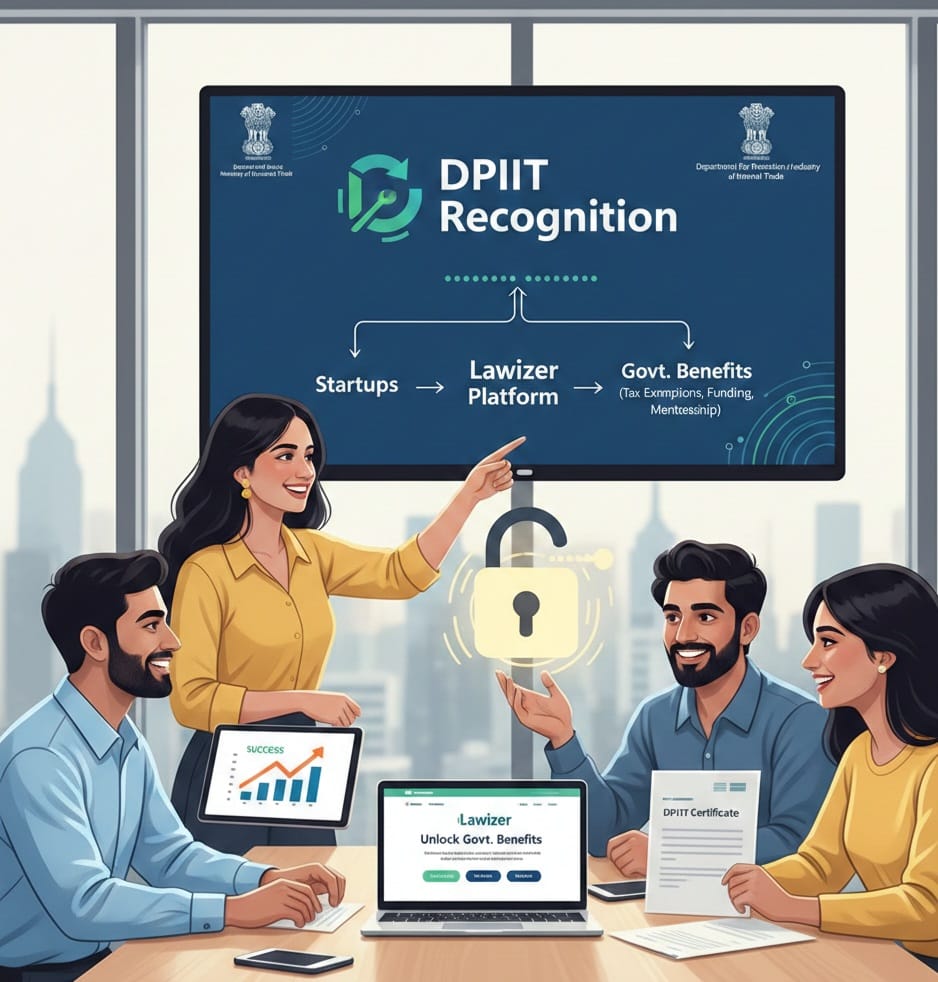
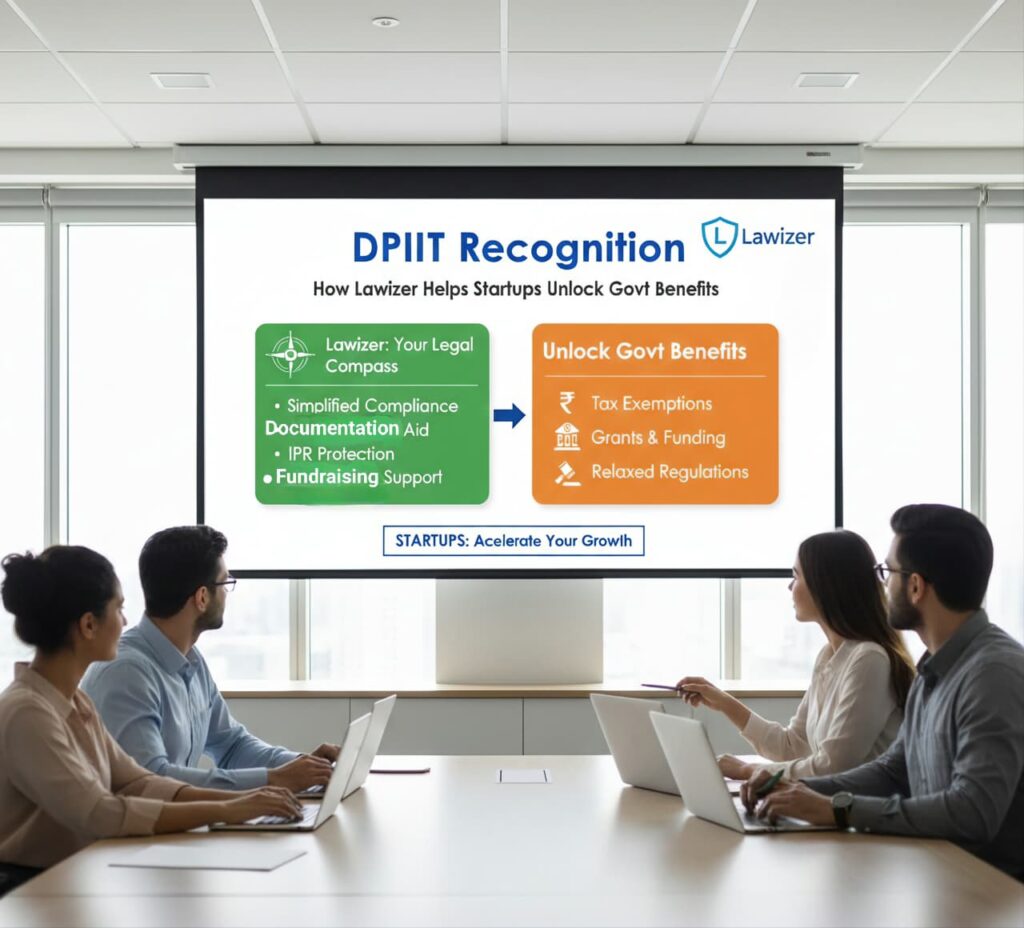
  • DPIIT Recognition: How Lawizer Helps Startups Unlock Government Benefits

    DPIIT Recognition: How Lawizer Helps Startups Unlock Government Benefits

    Introduction

    India has emerged as one of the fastest-growing startup ecosystems in the world. Thousands of entrepreneurs are building innovative businesses in sectors such as technology, healthcare, fintech, and education.

    To support these startups, the Government of India launched the Startup India initiative. Under this initiative, startups can obtain recognition from the Department for Promotion of Industry and Internal Trade (DPIIT).

    DPIIT recognition allows startups to access multiple government benefits including tax exemptions, funding opportunities, intellectual property support, and simplified compliance requirements.

    However, many founders struggle with the process and documentation involved. This is where platforms like Lawizer help startups unlock these benefits easily.


    What is DPIIT Recognition?

    DPIIT Recognition is an official certification granted to startup companies by the Department for Promotion of Industry and Internal Trade under the Startup India initiative.

    This recognition formally identifies a business as an eligible startup engaged in innovation or scalable business development.

    Once a startup receives DPIIT recognition, it becomes eligible for several government incentives and support schemes designed to help early-stage businesses grow.


    Eligibility Criteria for DPIIT Recognition

    To obtain DPIIT recognition, a startup must satisfy certain eligibility conditions.

    1. Type of Entity

    The business must be registered as one of the following:

    • Private Limited Company
    • Limited Liability Partnership (LLP)
    • Registered Partnership Firm

    2. Age of the Company

    The company should be less than 10 years old from the date of incorporation.

    3. Annual Turnover

    The startup’s annual turnover must not exceed ₹100 crore in any financial year since its incorporation.

    4. Innovation and Scalability

    The startup must focus on innovation or improvement in products or services. The business should aim to:

    • Develop new technology or processes
    • Improve existing products or services
    • Build a scalable business model
    • Generate employment or wealth creation

    Benefits of DPIIT Recognition for Startups

    1. Tax Holiday for Startups

    Early-stage startups often operate with limited financial resources. DPIIT-recognized startups can apply for a tax holiday under Section 80-IAC of the Income Tax Act.

    This provides 100% income tax exemption on profits for three consecutive years within the first ten years of incorporation.

    This benefit allows startups to reinvest their profits into:

    • Product development
    • Research and innovation
    • Business expansion

    2. Angel Tax Exemption

    Angel tax earlier created challenges for startups raising funds from investors.

    Angel tax applied when startups issued shares at a price higher than their fair market value. With DPIIT recognition, eligible startups can receive investments from angel investors without facing this tax burden.

    This makes fundraising easier and encourages more investors to support innovative startups.

    3. Access to Government Funding Schemes

    DPIIT recognition also provides startups with access to government funding programs such as:

    • Fund of Funds for Startups (FFS)
    • Startup India Seed Fund Scheme

    These schemes help startups receive financial assistance for:

    • Product development
    • Market entry
    • Scaling business operations

    Being DPIIT-recognized also increases a startup’s credibility among investors.

    4. Simplified Regulatory Compliance

    Startups often face complex regulatory requirements that consume time and resources.

    DPIIT-recognized startups are allowed to self-certify compliance with several labour and environmental laws.

    This reduces:

    • Frequent inspections
    • Regulatory paperwork
    • Administrative burden

    5. Intellectual Property (IP) Support

    Innovation is a key part of startup growth. DPIIT recognition provides strong support for intellectual property protection.

    Startups receive:

    • Fast-track patent examination
    • Up to 80% rebate on patent filing fees
    • Around 50% rebate on trademark registration fees

    How Does Lawizer Make the Process Seamless?

    Many startups are unaware of the documentation and procedures required for DPIIT recognition.

    Lawizer is a legal and business consulting platform that helps startups navigate regulatory compliance and government registrations smoothly.

    Lawizer assists startups in multiple areas including:

    • Company incorporation
    • Legal documentation
    • Intellectual property registration
    • DPIIT recognition
    • Compliance management

    Why Choose Lawizer?

    • Expert Guidance: Step-by-step assistance for accurate application filing.
    • Documentation Support: Reduces chances of rejection.
    • Faster Processing: Ensures smooth submission on Startup India portal.
    • End-to-End Support: Covers legal, compliance, and funding guidance.

    How Lawizer Simplifies the DPIIT Registration Process

    Step 1: Assistance with Documentation

    Lawizer helps founders prepare all the required documents needed for DPIIT recognition. This includes drafting a clear description of the startup’s innovative activities and business model.

    Step 2: Startup India Portal Registration

    The team assists startups in submitting their application through the Startup India portal. With expert guidance, the process becomes faster and smoother.

    Step 3: Guidance on Government Benefits

    Lawizer helps startups understand and apply for tax exemptions, government grants, intellectual property benefits, and funding schemes.

    Step 4: Ongoing Legal and Compliance Support

    Lawizer supports startups with shareholder agreements, legal documentation, regulatory compliance, and intellectual property protection.


    Conclusion

    DPIIT recognition plays a vital role in strengthening India’s startup ecosystem. It provides startups with tax incentives, funding opportunities, simplified compliance, and intellectual property support.

    However, navigating the recognition process and accessing these benefits can be challenging for new entrepreneurs.

    Companies like Lawizer simplify this journey by helping startups obtain DPIIT recognition and unlock the full range of government benefits available under the Startup India initiative.

    With the right guidance and government support, startups can innovate faster, scale their businesses, and contribute to India’s economic growth.


    Frequently Asked Questions

    What is DPIIT recognition?

    A: DPIIT recognition is a certification granted by the Department for Promotion of Industry and Internal Trade that officially identifies a business as an eligible startup under the Startup India initiative.

    Who can apply for DPIIT recognition?

    A: Private Limited Companies, LLPs, and Registered Partnership Firms that are less than 10 years old with turnover below ₹100 crore can apply.

    What are the benefits of DPIIT recognition?

    A: DPIIT-recognized startups receive tax exemptions, funding opportunities, compliance relaxations, and intellectual property benefits.

    Is DPIIT recognition mandatory for startups?

    A: No, DPIIT recognition is optional but highly beneficial for accessing government schemes and incentives.

    How long does it take to get DPIIT recognition?

    A: If all documents are correct, DPIIT recognition can usually be granted within a few days to a few weeks.

    Can DPIIT-recognized startups raise funds easily?

    A: Yes, DPIIT recognition provides exemption from angel tax, making it easier for startups to attract investors.

    Do DPIIT-recognized startups get tax benefits?

    A: Yes, eligible startups can claim a 3-year tax holiday under Section 80-IAC of the Income Tax Act.

    How does Lawizer help with DPIIT recognition?

    A: Lawizer helps startups with documentation, application filing, and guidance on accessing government benefits.


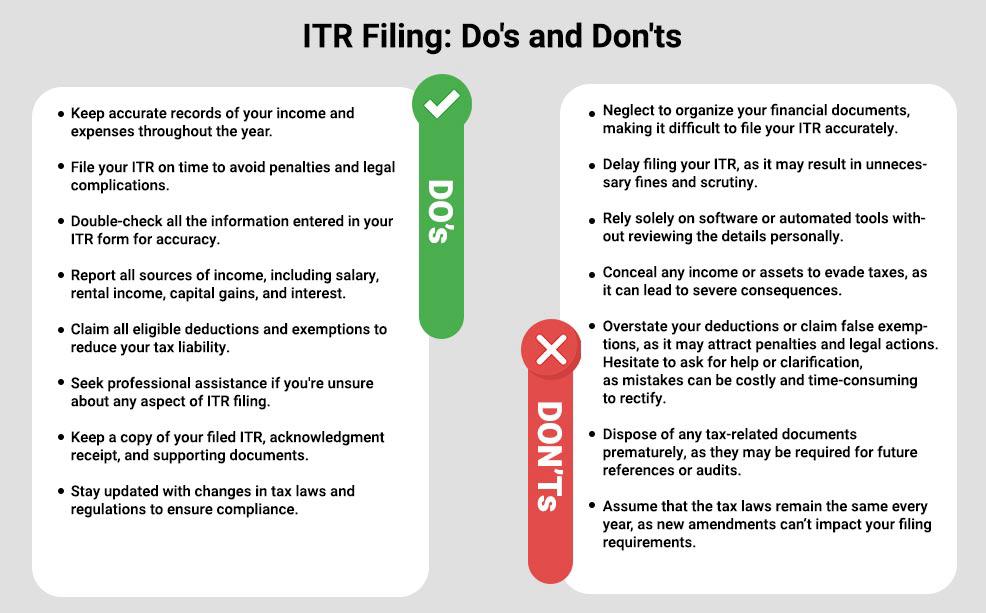
  • Common Mistakes to Avoid While Filing ITR for Salaried Employees in 2026

    Common Mistakes to Avoid While Filing ITR for Salaried Employees in 2026

    Introduction

    Filing an Income Tax Return (ITR) as a salaried employee often feels like navigating a bureaucratic maze. In 2026, the Income Tax Department has shifted toward advanced AI-driven data processing.

    This means even a minor clerical error can trigger an automatic tax notice.

    While technology has increased scrutiny, legal-tech platforms like Lawizer have made the process seamless. By connecting you with verified experts, Lawizer ensures your filing is stress-free and accurate.


    10 Common ITR Filing Mistakes You Must Avoid

    To ensure a smooth filing season, keep an eye out for these frequent pitfalls:

    1. Selecting the Wrong ITR Form

    Choosing the incorrect form results in a “Defective Return” notice.

    • ITR-1 (Sahaj): For individuals with income up to ₹50 lakhs and one house property.
    • ITR-2: For those with capital gains, multiple house properties, or income exceeding ₹50 lakhs.
    • ITR-3: For individuals with business or professional income.

    2. Quoting the Wrong Assessment Year (AY)

    For the current Financial Year (FY 2025-26), the corresponding Assessment Year is 2026-27. Confusing these dates can lead to double taxation or immediate rejection.

    3. Errors in Personal and Bank Information

    Your bank account must be pre-validated on the portal. Ensure your name and address match your PAN exactly. An incorrect IFSC code can stall your refund for months.

    4. Failure to Disclose “Hidden” Income Sources

    Don’t forget to report:

    • Savings Interest: Deductible up to ₹10,000 under Sec 80TTA.
    • Dividends: Often overlooked but taxable.
    • Minor’s Income: Deductible up to ₹1,250 per child (up to 2 children).

    5. Manual Entry and Formatting Errors

    Data must match your employer’s TDS filing perfectly. Inconsistent formatting often leads to automated system rejections.

    6. Ignoring AIS and TIS Reconciliations

    The Annual Information Statement (AIS) tracks stock trades, FD interest, and large credit card spends. If your ITR doesn’t match your Taxpayer Information Summary (TIS), an inquiry is almost certain.

    7. Mismatching TDS with Form 26AS

    Always verify that the tax deducted by your employer or bank is reflected in Form 26AS. If it isn’t, you won’t receive credit for that tax, resulting in a higher payout.

    8. Forgetting Section 80 Deductions

    Look beyond Section 80C. You can also claim:


  • Benefits of Registering as a Private Limited Company in India

    Introduction

    Choosing the right business structure is one of the most important decisions for any entrepreneur.

    In India, registering as a Private Limited Company under the Ministry of Corporate Affairs offers several legal, financial, and strategic advantages.

    Whether you are launching a startup or scaling an existing venture, understanding the benefits of registering as a private company can help you make a confident and informed decision.


    What is a Private Limited Company?

    A Private Limited Company is a legally recognized business entity with:

    • Limited liability for shareholders
    • Separate legal identity
    • Perpetual succession
    • Structured compliance requirements

    It is one of the most preferred business structures in India due to its credibility and growth potential.


    Key Benefits of Registering as a Private Limited Company

    1. Limited Liability Protection

    One of the biggest advantages of a private limited company is limited liability.

    This means:

    • Shareholders are only liable up to the amount they have invested.
    • Personal assets remain protected from business debts or legal claims.

    If the company faces financial losses or lawsuits, the personal property of owners is safeguarded. This reduces financial risk and encourages entrepreneurs to take calculated business decisions.


    2. Separate Legal Entity

    A Private Limited Company is legally distinct from its owners.

    This allows the company to:

    • Own property in its own name
    • Enter into contracts
    • Sue or be sued independently

    The company’s identity remains separate from its shareholders, ensuring operational stability.


    3. Perpetual Succession

    Unlike sole proprietorships or partnerships, a private limited company continues to exist even if:

    • A shareholder exits
    • A director resigns
    • Ownership changes

    This concept of perpetual succession ensures long-term business continuity and enhances investor confidence.


    4. Better Access to Funding

    Funding becomes significantly easier when you operate as a registered private limited company.

    You can:

    • Issue shares to raise capital
    • Attract venture capitalists and angel investors
    • Secure bank loans more easily

    Financial institutions prefer registered companies because of structured compliance and transparency.


    5. Enhanced Credibility and Brand Image

    Registration with the Ministry of Corporate Affairs increases business credibility.

    Clients, vendors, and partners often perceive private limited companies as:

    • More professional
    • More reliable
    • Better regulated

    This credibility can open doors to larger contracts and long-term partnerships.


    6. Easy Transfer of Ownership

    Ownership in a private limited company can be transferred through the transfer of shares.

    This makes it easier to:

    • Bring in new investors
    • Restructure ownership
    • Exit existing shareholders

    Business operations continue smoothly without disruption.


    7. Tax Benefits and Structured Compliance

    Private limited companies enjoy structured corporate tax rates and can claim deductions on legitimate business expenses.

    Additionally:

    • Proper financial reporting improves transparency
    • Statutory compliance builds investor trust
    • Organized records support long-term expansion

    8. Scalability and Growth Potential

    If your goal is business expansion, a private limited structure offers strong scalability.

    It allows you to:

    • Expand across regions
    • Attract institutional investment
    • Convert into a public company in the future

    This makes it ideal for startups planning long-term growth.


    9. Better Talent Acquisition

    Private limited companies can attract skilled professionals more easily.

    They can offer:

    • Job stability
    • Structured work roles
    • Employee Stock Option Plans (ESOPs)

    This helps in building a strong and motivated team.


    Conclusion

    Registering as a Private Limited Company in India provides legal protection, improved credibility, funding opportunities, and long-term growth advantages.

    Although compliance requirements and documentation are involved, the strategic benefits outweigh the initial effort. For entrepreneurs aiming to build a scalable and investor-friendly business, registering as a private company is often the smartest decision.


    Frequently Asked Questions

    What is a Private Limited Company?

    It is a legally registered business entity recognized by the Ministry of Corporate Affairs with limited liability and separate legal status.

    What is the main advantage of registering as a Private Limited Company?

    The primary advantage is limited liability, which protects shareholders’ personal assets.

    Can a Private Limited Company raise funds easily?

    Yes, it can raise capital by issuing shares and attracting investors more easily than unregistered businesses.

  • Legal Consultation Online: How Lawizer Connects You to Experts 24/7

    Introduction

    Online legal consultation has witnessed tremendous growth, especially in India, where digital adoption continues to rise rapidly.

    The legal industry has undergone a major transformation in recent years. What was once considered traditional and conservative has now evolved into a more accessible, approachable, and affordable model.

    Today, individuals and businesses prefer quick, remote, and secure legal advice over traditional in-office visits. This shift has reshaped how legal services are delivered.


    What is Online Legal Consultation?

    Online legal consultation refers to seeking legal advice, document review, or case strategy guidance through digital platforms.

    This may include:

    • Video consultations
    • Phone consultations
    • Chat-based legal advice
    • Email-based legal opinions
    • Digital document review

    Instead of physically visiting a lawyer’s office, clients can now access professional legal support remotely through legal-tech platforms and law firm websites.


    Why Online Legal Consultation Has Escalated Over Time

    1. Increased Legal Awareness

    More individuals are aware of their legal rights and prefer taking preliminary advice before escalating disputes. This proactive approach has increased demand for quick consultations.


    2. Startup & MSME Growth

    The rise of startups and MSMEs has significantly increased the need for affordable legal advice related to:

    • Contracts
    • Compliance
    • Business incorporation
    • Regulatory filings

    Entrepreneurs now seek faster legal clarity without long appointment delays.


    3. Digital Trust & Security

    Secure payment gateways, encrypted communication systems, and verified lawyer networks have strengthened public trust in online legal services.


    4. Government Digital Integration

    Digital filings under the Ministry of Corporate Affairs and the expansion of e-court initiatives have supported the growth of online legal consultation.

    Legal processes are becoming increasingly technology-driven, making remote consultation more practical than ever.


    The Future of Online Legal Consultation

    Online legal services are expected to integrate advanced technologies such as:

    • AI-powered legal assistance
    • Automated document drafting
    • Predictive case analysis
    • Blockchain-based documentation security

    The legal profession is steadily transitioning into a tech-enabled service ecosystem.


    How Lawizer Connects You to Legal Experts 24/7

    Legal issues don’t arise only during office hours. Whether it’s a compliance concern, police-related matter, contract dispute, or women’s safety issue, timely legal advice is critical.

    Lawizer bridges this gap by offering 24/7 digital connectivity to verified legal experts.

    Here’s how the system works:


    1. Instant Digital Access

    Lawizer allows users to raise legal queries anytime—day or night.

    Users can:

    • Submit their issue online
    • Select consultation type
    • Request immediate assistance

    This removes geographical and time barriers completely.


    2. Verified Expert Network

    Lawizer connects clients with verified and experienced lawyers across practice areas such as:

    • Criminal law
    • Family law
    • Corporate compliance
    • Property disputes
    • Women-centric legal matters

    Every expert is vetted before onboarding to ensure professional reliability.


    3. Smart Case Matching System

    Once a user submits a query, the platform categorizes it based on legal domain and urgency.

    The case is routed to the most suitable expert, ensuring:

    • Faster response time
    • Domain-specific advice
    • Accurate legal direction

    This eliminates random allocation and improves consultation efficiency.


    4. Multiple Consultation Modes

    To maintain 24/7 availability, Lawizer offers flexible communication options:

    • Call consultations
    • Video meetings
    • Chat-based advisory
    • Document review support

    Users can choose the format that suits their urgency and comfort.


    5. Immediate Response for Urgent Matters

    For emergencies such as police involvement, threats, or sensitive disputes, Lawizer prioritizes rapid lawyer connection.

    This ensures users receive immediate legal clarity when time is critical.


    6. Transparent and Structured Process

    From booking to payment and follow-ups, the system is fully digital and streamlined.

    This reduces delays and ensures smooth communication between clients and legal experts.


    7. Continuous Support Model

    Unlike traditional systems restricted to office hours, Lawizer’s digital-first structure ensures legal assistance remains accessible round the clock.


    Conclusion

    Online legal consultation has evolved from a convenience-based alternative into a mainstream legal service model.

    Lawizer connects users to legal experts 24/7 through digital accessibility, verified professionals, smart case allocation, and flexible consultation modes.

    By eliminating time and location barriers, it ensures that professional legal support is always within reach—whenever it is needed most.


    Frequently Asked Questions

    What is online legal consultation?

    Answer: It is the process of seeking legal advice digitally through calls, video meetings, chat, or document review.

    Is online legal consultation reliable?

    Answer: Yes, when conducted through verified platforms like Lawizer with vetted legal professionals.

    How quickly can I connect with a lawyer on Lawizer?

    Answer: Users can raise queries instantly and get connected based on urgency and case type.

    Is online legal advice confidential?

    Answer: Yes, consultations are conducted through secure and encrypted communication systems.

    Can businesses use Lawizer for compliance support?

    Answer: Yes, startups and MSMEs can seek assistance for contracts, incorporation, and regulatory compliance.


  • The Essential Checklist for Business Incorporation in India (2026)

    Introduction

    In 2026, forming a company in India has become significantly easier due to digital platforms and integrated regulatory systems.

    However, business incorporation still requires proper planning, documentation, and strict compliance with legal formalities.

    This essential checklist will help you with the entire process to ensure your company is incorporated smoothly, legally, and successfully.


    Why Proper Incorporation Planning Matters

    Choosing the right structure and completing regulatory steps correctly helps:

    • Protect personal liability
    • Ensure tax compliance
    • Build investor confidence
    • Avoid future legal disputes
    • Establish long-term operational stability

    Let’s break down the step-by-step incorporation process.


    1. Decide Your Business Structure

    Before starting the incorporation process, choose the most suitable legal structure based on your goals:

    • Private Limited Company – Ideal for startups seeking funding
    • One Person Company (OPC) – Suitable for solo entrepreneurs
    • Limited Liability Partnership (LLP) – Limited liability with simpler compliance
    • Partnership Firm – Suitable for small professional ventures
    • Sole Proprietorship – Simple structure but no limited liability

    Your decision impacts taxation, funding opportunities, compliance burden, and liability protection.


    2. Obtain Digital Signature Certificate (DSC)

    A Digital Signature Certificate (DSC) is mandatory for filing electronic documents.

    • Directors and authorized signatories must obtain DSC from licensed certifying agencies.
    • It serves as your official digital identity for government filings.

    3. Apply for Director Identification Number (DIN)

    Every proposed director must obtain a Director Identification Number (DIN) from the Ministry of Corporate Affairs.

    • DIN is a unique 8-digit identification number.
    • It is mandatory before submitting incorporation documents.

    4. Name Reservation (RUN / SPICe+)

    Choosing a compliant and unique business name is a crucial step.

    Ensure that:

    • The name is not identical to an existing company or trademark.
    • It complies with MCA naming guidelines.
    • It reflects your business activity and brand identity.

    You can reserve the name through:

    • RUN (Reserve Unique Name)
    • SPICe+ incorporation form

    5. Draft Key Company Documents

    You must prepare foundational legal documents:

    Memorandum of Association (MOA)

    Defines the company’s objectives and permitted activities.

    Articles of Association (AOA)

    Specifies internal governance rules and shareholder rights.

    These documents form the legal backbone of your company.


    6. Prepare Registered Office Proof

    Every company must have a registered office in India.

    Required documents include:

    • Utility bill (issued within last 2 months)
    • Rent agreement (if applicable)
    • No Objection Certificate (NOC) from property owner

    This address becomes the official communication point for government correspondence.


    7. File Incorporation Forms (SPICe+)

    The primary step is filing the SPICe+ (Simplified Proforma for Incorporating Company Electronically) form via the MCA portal.

    SPICe+ covers:

    • Company registration
    • PAN and TAN allotment
    • GST registration (if applicable)
    • EPFO/ESIC registration (if applicable)
    • Bank account integration

    This integrated filing system reduces duplication and speeds up approvals.


    8. PAN, TAN & Bank Account Setup

    After approval:

    • PAN (Permanent Account Number) is auto-generated
    • TAN (Tax Deduction Account Number) is issued
    • Open a current business bank account
    • Deposit initial share capital

    These steps activate your company financially.


    9. GST Registration (If Applicable)

    GST registration is mandatory if:

    • Your turnover exceeds prescribed thresholds
    • You engage in inter-state trade
    • Your business falls under notified categories

    Early GST registration ensures smooth compliance and invoicing.


    10. Post-Incorporation Compliance

    After incorporation, companies must:

    • Appoint a statutory auditor (within 30 days)
    • Conduct first board meeting (within 30 days)
    • Issue share certificates
    • File commencement of business declaration (if required)
    • Maintain statutory registers

    Annual compliance includes financial statements, annual returns, and tax filings.


    Document Checklist for Business Incorporation

    ✔ Director’s identity proof (PAN, Aadhaar, Passport)
    ✔ Director’s address proof
    ✔ Passport-sized photographs
    ✔ Registered office proof
    ✔ MOA & AOA drafts
    ✔ Consent to act as director
    ✔ Digital Signature Certificate details


    Key 2026 Considerations

    Business incorporation in 2026 involves:

    • Increased digital verification
    • Stronger KYC norms
    • Integrated MCA-GST-tax systems
    • Higher penalties for non-compliance

    Staying updated with regulatory changes is essential.


    Conclusion

    Incorporating a business in India in 2026 is faster and more streamlined than ever before. However, precision in documentation and compliance remains critical.

    By following this essential checklist, you ensure your business is legally structured, financially prepared, and ready for sustainable growth.

    Whether you are launching a startup or expanding operations, proper incorporation sets the foundation for long-term success.


    Frequently Asked Questions (FAQs)

    How long does business incorporation take in India?

    Answer: Typically, it takes 7–15 working days, depending on documentation and approvals.

    Is DIN mandatory for all directors?

    Answer: Yes, every proposed director must obtain a valid DIN.

    Is GST registration compulsory for every company?

    Answer: No, it depends on turnover thresholds and business nature.

    Can I incorporate a company completely online?

    Answer: Yes, the entire incorporation process is digital through the MCA portal.

    What is the most preferred business structure in India?

    Answer: Private Limited Company is commonly preferred for startups and growth-focused businesses.


  • The Role of Lawizer in Scaling Your Fintech Startup Compliantly in India

    The Role of Lawizer in Scaling Your Fintech Startup Compliantly in India

    Introduction

    In the rapidly evolving digital economy of India, fintech startups are no longer just “apps”—they are sophisticated financial institutions operating under the watchful eye of multiple regulators.

    As of 2026, the mantra for success has shifted from “growth at any cost” to “growth through compliance”.

    For a founder, navigating the labyrinth of Indian financial laws while trying to scale is a Herculean task. This is where Lawizer transforms from a service provider into a strategic partner.

    Lawizer is a high-velocity legal-tech platform designed to provide the infrastructure that fintechs need to remain compliant without sacrificing speed.


    The Regulatory Framework of Indian Fintech

    To scale a fintech startup in India, you must understand the three key regulatory pillars: RBI, SEBI, and the DPDP Act.

    RBI’s Digital Lending Framework

    The Reserve Bank of India (RBI) has introduced strict norms under its Digital Lending Directions. Startups acting as Lending Service Providers (LSPs) must ensure:

    • Fund Flow Transparency: Direct transfer from bank/NBFC to borrower; no pool accounts allowed.
    • Key Fact Statement (KFS): Clear disclosure of APR, total loan cost, and recovery terms.
    • Grievance Redressal: Appointment of a nodal officer for complaints.

    Payment Aggregator (PA) Guidelines

    Fintechs handling merchant payments must comply with RBI’s Payment Aggregator framework:

    • Net Worth Requirement: Must reach ₹25 Crore within the prescribed time.
    • Escrow Mechanism: Merchant funds must be routed through regulated escrow accounts.

    Digital Personal Data Protection (DPDP) Act

    Data protection is now a core legal requirement under the DPDP Act:

    • Consent Architecture: Users must be able to give, manage, and withdraw consent.
    • Data Minimization: Only necessary data can be collected.
    • Penalties: Non-compliance can lead to heavy financial penalties.

    How Lawizer Supports Fintech Startup Formation

    Forming a fintech startup requires a legally robust structure that supports funding and compliance. Lawizer simplifies this process:

    Choosing the Right Legal Structure

    • Private Limited Company: Ideal for startups seeking funding and credibility.
    • One Person Company (OPC): Suitable for solo founders.
    • Limited Liability Partnership (LLP): Offers flexibility for partner-led businesses.

    Tax and Business Registrations

    Intellectual Property Protection

    • Trademark Registration: Protects brand identity.
    • Copyright Registration: Secures software and digital assets.

    Scaling and Compliance Support

    As fintech startups grow, compliance becomes an ongoing requirement. Lawizer ensures continuous support:

    • Annual Compliance: Filing and regulatory requirements for companies and LLPs.
    • Corporate Governance: Managing directors, addresses, and legal changes.
    • SOS Feature: Immediate assistance for legal notices and urgent issues.
    • Consultation Support: Access to verified professionals for legal advice.

    Conclusion

    Scaling a fintech startup in India requires navigating complex and evolving regulations.

    From RBI compliance to data protection under the DPDP Act, every aspect of the business must align with legal requirements.

    Lawizer simplifies this journey by automating compliance, managing documentation, and connecting founders with legal experts.

    In a highly regulated environment, having a reliable legal-tech partner ensures sustainable growth and minimizes risk.


    Frequently Asked Questions

    Is Lawizer a law firm?

    Answer: No, Lawizer is a legal-tech platform that connects users with verified professionals and automates legal processes.

    Where is Lawizer based?

    Answer: Lawizer is based in West Bengal, India.

    Is Lawizer legitimate?

    Answer: Yes, Lawizer is an initiative of Zeptus Pvt Ltd and operates as a registered digital service provider.

    Do I need an NBFC license to start a lending app?

    Answer: Yes, if you lend your own funds. Otherwise, you can operate as an LSP under RBI guidelines.

    What is a Regulatory Sandbox?

    Answer: It is a framework by RBI and SEBI that allows fintech startups to test innovative products in a controlled environment.